1. Specifications Comparison
| Feature | Asus Zenfone 10 | Xiaomi Redmi Note 13 4G | Practical Impact |
|---|---|---|---|
| Design | |||
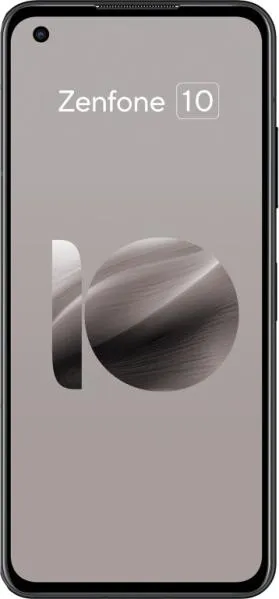
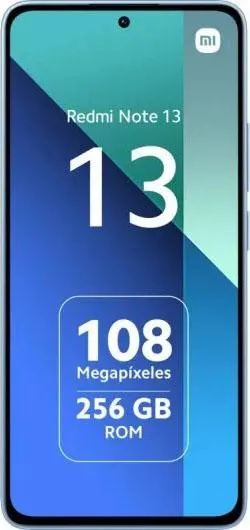
| Dimensions (mm) | 146.5 x 68.1 x 9.4 | 162.3 x 75.6 x 8 | Zenfone 10 is significantly smaller and more pocketable. Redmi Note 13 is larger, potentially less comfortable for one-handed use. |
| Weight (g) | 172 | 188.5 | Zenfone 10 is noticeably lighter, reducing hand fatigue during extended use. |
| Display | |||
| Size (inches) | 5.92 | 6.67 | Redmi Note 13 offers a larger screen for media consumption and multitasking, while Zenfone 10 prioritizes one-handed usability. |
| Resolution (px) | 1080 x 2400 | 1080 x 2400 | Similar sharpness due to Zenfone 10's smaller screen size resulting in higher pixel density (445 vs 395 PPI). |
| Refresh Rate (Hz) | 144 | 120 | Zenfone 10 provides smoother animations and scrolling. The difference might not be noticeable for all users. |
| Peak Brightness (nits) | 1100 | 1800 | Redmi Note 13 should be significantly more visible in direct sunlight. |
| Display Type | AMOLED | AMOLED | Both offer vibrant colors and deep blacks. |
| Performance | |||
| Chipset | Snapdragon 8 Gen 2 | Snapdragon 685 | Zenfone 10 boasts a flagship processor, enabling significantly faster performance in demanding tasks like gaming and heavy multitasking. Redmi Note 13's processor is suited for everyday tasks but will struggle with high-end applications. |
| CPU | Octa-core (1x3.2 GHz Cortex-X3 & 2x2.8 GHz Cortex-A715 & 2x2.8 GHz Cortex-A710 & 3x2.0 GHz Cortex-A510) | Octa-core (4x2.8 GHz Cortex-A73 & 4x1.9 GHz Cortex-A53) | Zenfone 10's CPU architecture is newer and more powerful. |
| GPU | Adreno 740 | Adreno 610 | Zenfone 10's GPU offers a substantial leap in graphical performance, crucial for gaming and graphically intensive applications. |
| RAM (GB) | 8 | 8 | Both offer sufficient RAM for smooth multitasking. |
| Camera | |||
| Main Camera (MP) | 50 (Sony IMX766) | 108 (Samsung HM6) | Redmi Note 13 has a higher resolution sensor. Image quality depends on various factors including processing and sensor size. Zenfone 10 uses a well-regarded Sony sensor known for good performance. |
| Video Recording | Up to 8K@24fps | Up to 1080p@30fps | Zenfone 10 offers significantly better video recording capabilities with higher resolution and frame rates. |
| Battery | |||
| Capacity (mAh) | 4300 | 5000 | Redmi Note 13 has a larger battery capacity, potentially leading to longer battery life. However, Zenfone 10's more efficient processor could offset this difference. |
2. Key Differences Analysis
Zenfone 10 Advantages:
- Significantly more powerful: The Snapdragon 8 Gen 2 provides a massive performance advantage for demanding tasks and gaming.
- Superior display quality: Higher refresh rate and well regarded AMOLED panel.
- More compact and portable: Easier to handle and carry.
- Better video recording: Higher resolution and frame rates.
- Faster charging: While wattage isn't specified, flagship phones typically offer faster charging solutions.
Redmi Note 13 4G Advantages:
- Larger display: Better for media consumption and multitasking.
- Higher resolution main camera: Potentially more detail in photos, though real-world performance depends on various factors.
- Larger battery capacity: Potentially longer battery life.
- Significantly lower price: Offers good value for its price range.
Trade-offs:
- Zenfone 10: Higher price for premium features. Smaller battery capacity.
- Redmi Note 13 4G: Lower performance, less capable camera for video, less bright display for outdoor use.
3. User Profiles & Recommendations
Zenfone 10: Ideal for users who prioritize performance, a compact form factor, a smooth display, and excellent camera quality, especially for video. Suitable for power users, mobile gamers, and content creators.
Redmi Note 13 4G: Best suited for budget-conscious users who prioritize a large display, long battery life, and basic smartphone functionality. Good for casual users, social media browsing, and media consumption.
4. Decision Framework
Key Questions:
- What is your budget? The Zenfone 10 is significantly more expensive.
- What level of performance do you need? For demanding tasks and gaming, the Zenfone 10 is essential.
- What screen size do you prefer? Consider portability versus media consumption needs.
Scenario-based Recommendations:
- Heavy gamer: Zenfone 10
- Budget-conscious social media user: Redmi Note 13 4G
- Professional who needs a powerful and portable device: Zenfone 10
- Casual user who primarily streams videos: Redmi Note 13 4G
My Choice: Asus Zenfone 10
While significantly more expensive, the Zenfone 10 aligns better with my personal preferences and usage patterns. I value performance, a smooth and responsive experience, excellent cameras, and a compact form factor. The Snapdragon 8 Gen 2, 144Hz display, and superior camera system are major selling points. While the Redmi Note 13 4G offers great value, the performance gap is too significant to ignore for my needs. I'm willing to pay the premium for the Zenfone 10's flagship experience and compact size. I also often use my phone for taking photos and videos, making the Zenfone 10's superior camera system a decisive factor. While the Redmi Note 13 has a larger battery, I prioritize performance and responsiveness over slightly longer battery life.
