1. Specifications Comparison
| Feature | Asus Zenfone 10 | Xiaomi Redmi Note 13 | Practical Impact |
|---|---|---|---|
| Design | |||
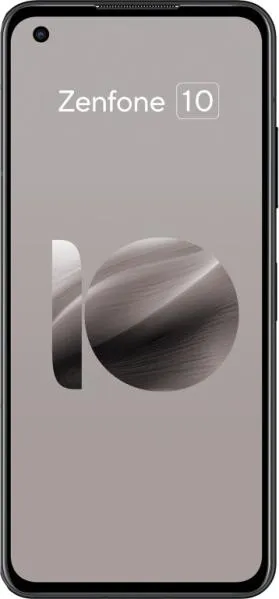
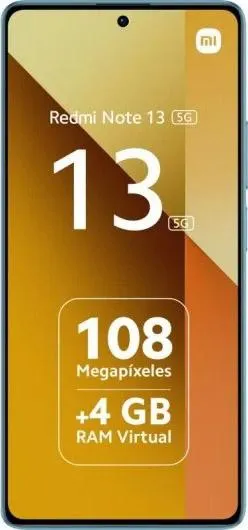
| Dimensions (mm) | 146.5 x 68.1 x 9.4 | 161.1 x 75 x 7.6 | Zenfone 10 is significantly smaller and more pocketable. Redmi Note 13 is larger, offering a bigger screen but less one-handed usability. |
| Weight (g) | 172 | 174.5 | Negligible weight difference. |
| Build Material | Missing | Missing | Cannot compare build quality and durability. |
| Display | |||
| Size (inches) | 5.92 | 6.67 | Redmi Note 13 has a much larger display, better for media consumption and multitasking but less suitable for one-handed use. |
| Resolution (px) | 1080 x 2400 | 1080 x 2400 | Same resolution, but Zenfone 10's smaller size results in a sharper image (445 ppi vs 395 ppi). |
| Refresh Rate (Hz) | 144 | 120 | Zenfone 10 offers a smoother scrolling and gaming experience with its higher refresh rate. |
| Display Type | AMOLED, HDR10+ | AMOLED, 1B colors | Both are AMOLED, offering vibrant colors and deep blacks. Redmi Note 13 boasts 1 Billion colors, potentially offering smoother color gradients, while Zenfone 10 supports HDR10+ for better dynamic range in compatible content. |
| Performance | |||
| Chipset | Snapdragon 8 Gen 2 | MediaTek Dimensity 6080 | Zenfone 10's Snapdragon 8 Gen 2 provides significantly faster CPU and GPU performance, enabling smoother multitasking, demanding gaming, and faster app loading. |
| CPU | Octa-core (up to 3.2 GHz) | Octa-core (up to 2.4 GHz) | Zenfone 10's CPU has higher clock speeds and a more powerful architecture, translating to significantly better performance. |
| RAM (GB) | 8/16 | 6/8/12 | Both offer ample RAM for most users, but the Zenfone 10's optimized OS may require less RAM overall. Redmi Note 13 offers a 12GB option for extreme multitasking. |
| Camera | |||
| Main Camera (MP) | 50 (Sony IMX766) | 108 (Samsung HM6) | Redmi Note 13 has a higher resolution sensor, potentially capturing more detail. However, sensor size and image processing play a crucial role in overall image quality, which cannot be fully assessed without real-world testing. Zenfone 10 utilizes a well-regarded Sony sensor. |
| Video Recording | Up to 8K@24fps | Up to 1080p@30fps | Zenfone 10 offers significantly better video recording capabilities, supporting much higher resolutions and frame rates. |
| Battery | |||
| Capacity (mAh) | 4300 | 5000 | Redmi Note 13 has a larger battery capacity, potentially lasting longer on a single charge. However, real-world battery life depends on various factors including display size, processor efficiency, and software optimization. |
2. Key Differences Analysis
Zenfone 10 Advantages:
- Significantly more powerful: The Snapdragon 8 Gen 2 provides a substantial performance advantage for demanding tasks and gaming.
- Smoother display: The 144Hz refresh rate offers a noticeably smoother user experience.
- More compact and pocketable: Easier to use one-handed.
- Superior video recording: Supports up to 8K resolution.
- HDR10+ support: Offers better dynamic range in compatible content.
Redmi Note 13 Advantages:
- Larger display: Better for media consumption and multitasking.
- Larger battery capacity: Potentially longer battery life.
- Lower price: Offers a more budget-friendly option.
- Higher resolution main camera: Potentially more detailed photos, pending real-world testing.
3. User Profiles & Recommendations
Zenfone 10: Users who prioritize performance, a smooth display, a compact form factor, and high-quality video recording. Ideal for mobile gaming, content creation, and one-handed use.
Redmi Note 13: Users who prioritize a large display, long battery life, and affordability. Suitable for media consumption, casual gaming, and general everyday use. May be attractive to budget-conscious buyers who don't need top-tier performance.
4. Decision Framework
Key Questions for Buyers:
- What is your budget? The Redmi Note 13 is significantly cheaper.
- Do you prioritize performance or battery life? The Zenfone 10 excels in performance, while the Redmi Note 13 likely offers longer battery life.
- Do you prefer a compact or large phone? The Zenfone 10 is much smaller and easier to handle.
My Choice: Asus Zenfone 10
While the Redmi Note 13 offers a compelling value proposition with its large display and battery, the Zenfone 10's superior performance, smoother display, compact size, and advanced camera features make it a more appealing device for my needs. I prioritize a fluid user experience and pocketability, and I'm willing to pay a premium for the significantly more powerful Snapdragon 8 Gen 2. The Zenfone 10's higher refresh rate display and superior video recording capabilities are also major selling points for me. While battery life is important, I find the performance trade-off offered by the Redmi Note 13 to be too significant. The compact form factor of the Zenfone 10 aligns with my preference for one-handed usability.
