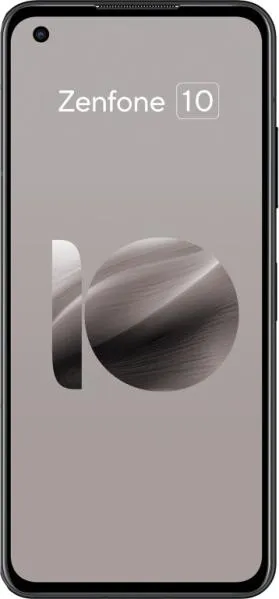
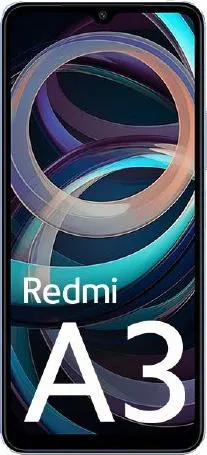
1. Specifications Comparison
| Feature | Asus Zenfone 10 | Xiaomi Redmi A3 | Practical Impact |
|---|---|---|---|
| Design | |||
| Dimensions (mm) | 146.5 x 68.1 x 9.4 | 168.3 x 76.3 x 8.3 | Zenfone 10 is significantly smaller and more pocketable. Redmi A3 is larger, potentially less comfortable for one-handed use. |
| Weight (g) | 172 | 193 | Zenfone 10 is noticeably lighter, reducing hand fatigue during extended use. |
| Build Material | Not specified | Not specified | Cannot compare build quality and durability without material information. |
| Display | |||
| Display Type | 5.92" Super AMOLED, 144Hz | 6.71" IPS LCD, 90Hz | Zenfone 10 offers a smaller, more vibrant AMOLED with smoother animations and scrolling due to the higher refresh rate. Redmi A3 has a larger but less vibrant display with a lower refresh rate. |
| Resolution | 1080 x 2400 | 720 x 1650 | Zenfone 10 provides significantly sharper visuals due to higher pixel density (445 ppi vs 268 ppi). |
| Peak Brightness | 1100 nits | Not specified | Zenfone 10's higher peak brightness ensures better visibility in direct sunlight. Redmi A3's unspecified brightness limits outdoor usability assessment. |
| Performance | |||
| Chipset | Snapdragon 8 Gen 2 (4 nm) | Mediatek Helio G36 (12 nm) | Zenfone 10 vastly outperforms the Redmi A3 in processing power, enabling smooth multitasking, demanding gaming, and faster app loading. |
| CPU | Octa-core (up to 3.2 GHz) | Octa-core (up to 2.2 GHz) | Zenfone 10's more powerful CPU cores and higher clock speeds provide a significantly faster and more responsive user experience. |
| GPU | Adreno 740 | PowerVR GE8320 | Zenfone 10 offers superior graphics performance for gaming and visually intensive tasks. |
| RAM | 8GB/16GB | 3GB/4GB/6GB | Zenfone 10 offers more RAM, allowing for smoother multitasking and preventing apps from closing in the background. |
| Camera | |||
| Rear Camera | 50MP (Sony IMX766) + 13MP Wide Angle + Macro | 8MP + 0.3MP (Unspecified) | Zenfone 10 offers a significantly better camera system with a higher resolution main sensor, dedicated wide-angle, and macro lens. Redmi A3's secondary sensor is practically useless at 0.3MP. Detailed sensor specifications missing for Redmi A3 hinders further analysis. |
| Video Recording | Up to 8K@24fps | Up to 1080p@30fps | Zenfone 10 supports much higher resolution video recording. |
| Battery | |||
| Capacity | 4300 mAh | 5000 mAh | Redmi A3 has a larger battery capacity, potentially offering longer battery life. However, Zenfone 10's more efficient processor may offset this difference. Real-world battery life depends heavily on usage patterns. |
2. Key Differences Analysis
Asus Zenfone 10 Advantages:
- Significantly more powerful: Superior processor, GPU, and RAM ensure a smooth and responsive experience for demanding tasks.
- Higher quality display: Brighter, sharper, and smoother AMOLED display provides a superior visual experience.
- Compact and lightweight: Easier to handle and carry.
- Versatile camera system: High-resolution sensor, wide-angle, and macro capabilities offer greater flexibility.
Xiaomi Redmi A3 Advantages:
- Larger battery: Potentially longer battery life, but real-world usage will vary.
- Lower price: Significantly more affordable.
Trade-offs:
- Zenfone 10: Smaller display might not be ideal for media consumption. Higher price.
- Redmi A3: Lower performance limits multitasking and gaming capabilities. Lower resolution display.
3. User Profiles & Recommendations
Asus Zenfone 10: Ideal for users who prioritize performance, a premium display, a compact form factor, and a versatile camera. Suitable for power users, gamers, and content creators.
Xiaomi Redmi A3: Suitable for budget-conscious users who primarily use their phones for basic tasks like calling, texting, browsing, and social media. Good for users seeking a large display for media consumption on a budget.
4. Decision Framework
Key Questions:
- What is your budget? The Zenfone 10 is significantly more expensive.
- What are your primary phone usage patterns? For basic tasks, the Redmi A3 might suffice. For demanding tasks, the Zenfone 10 is necessary.
- Do you prioritize performance, display quality, or battery life? The Zenfone 10 excels in performance and display, while the Redmi A3 potentially offers longer battery life.
My Choice: Asus Zenfone 10
While the Xiaomi Redmi A3 offers a larger battery and lower price, the Asus Zenfone 10's superior performance, display, and camera system are decisive factors for me. I prioritize a smooth and responsive user experience, a high-quality display for media consumption, and a capable camera. The Zenfone 10's compact size is also appealing. The price difference is justified by the significant leap in overall quality and capabilities. I am willing to pay a premium for a device that can handle demanding tasks and provide a more enjoyable user experience in the long run. The Redmi A3 feels like a compromise in too many areas crucial to my daily usage.
