1. Specifications Comparison
| Feature | Asus Zenfone 10 | Xiaomi Redmi 14C | Practical Impact |
|---|---|---|---|
| Design | |||
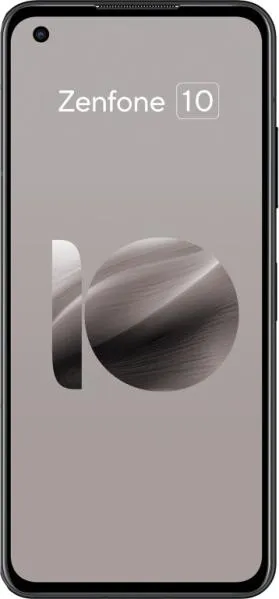
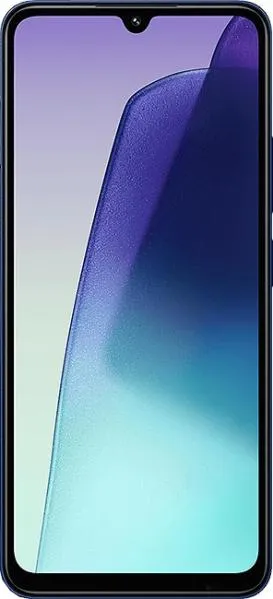
| Dimensions (mm) | 146.5 x 68.1 x 9.4 | 171.9 x 77.8 x 8.2 | Zenfone 10 is significantly smaller and more pocketable; Redmi 14C is larger, potentially less comfortable for one-handed use. |
| Weight (g) | 172 | 211 | Zenfone 10 feels lighter and less bulky in hand. |
| Build Material | Missing | Missing | Cannot compare build quality and durability. |
| Display | |||
| Display Type | Super AMOLED | IPS LCD | Zenfone 10 offers deeper blacks, more vibrant colors, and better power efficiency. Redmi 14C's LCD might be visible in brighter sunlight due to higher nit brightness in HBM mode. |
| Size (inches) | 5.92 | 6.88 | Redmi 14C provides a larger screen for media consumption, but may be less manageable for one-handed use. Zenfone 10's compact size appeals to users prioritizing portability. |
| Resolution | 1080 x 2400 | 720 x 1640 | Zenfone 10 has a significantly sharper display (445 ppi vs 260 ppi), resulting in clearer text and images. |
| Refresh Rate (Hz) | 144 | 120 | Zenfone 10 offers smoother animations and scrolling, though the difference between 120Hz and 144Hz is subtle. |
| Performance | |||
| Chipset | Snapdragon 8 Gen 2 | Helio G81 Ultra | Zenfone 10 boasts a flagship-level processor, enabling significantly faster performance for demanding tasks and gaming. Redmi 14C offers basic performance for everyday use. |
| CPU | Octa-core (up to 3.2 GHz) | Octa-core (up to 2.0 GHz) | Zenfone 10 offers much faster processing speeds. |
| GPU | Adreno 740 | Mali-G52 MC2 | Zenfone 10 provides a substantially more powerful GPU, enabling smoother gaming and faster graphics rendering. |
| RAM | 8GB/16GB | 4GB/6GB/8GB | Zenfone 10 offers more RAM in its base configuration, enabling better multitasking and app performance. |
| Camera | |||
| Rear Camera | 50MP + 13MP | 50MP + 0.8MP | While both have a 50MP main sensor, the Zenfone 10's secondary lens is a usable ultrawide, while the Redmi 14C's secondary lens is practically useless at 0.8MP. Zenfone 10 also has advanced features like gimbal stabilization. |
| Front Camera | 32MP | 13MP | Zenfone 10 offers a higher resolution front camera for potentially better selfies. |
| Video Recording | Up to 8K@24fps | Up to 1080p@30fps | Zenfone 10 offers significantly higher resolution video recording capabilities. |
| Battery | |||
| Capacity (mAh) | 4300 | 5160 | Redmi 14C boasts a larger battery, likely resulting in longer battery life. Zenfone 10's smaller battery is expected given its compact size. |
2. Key Differences Analysis
Zenfone 10 Advantages:
- Significantly faster performance: Snapdragon 8 Gen 2 provides a substantial performance advantage for demanding tasks and gaming.
- Superior display: AMOLED technology, higher resolution, and faster refresh rate deliver a more vibrant and smoother visual experience.
- More compact and premium design: Easier one-handed use and potentially higher quality materials.
- Advanced camera features: Gimbal stabilization and higher resolution video recording capabilities.
Redmi 14C Advantages:
- Longer battery life: Larger battery capacity should translate to extended usage time.
- Lower price: Offers a budget-friendly option for basic smartphone needs.
- Larger display: Provides more screen real estate for media consumption.
3. User Profiles & Recommendations
Zenfone 10: Ideal for users who prioritize performance, a premium display, compact size, and advanced camera features. Suitable for demanding tasks, gaming, and content creation.
Redmi 14C: Best suited for budget-conscious users with basic smartphone needs, such as calling, texting, browsing, and social media. Ideal for users who prioritize long battery life and a large screen for media consumption. Less suitable for demanding games or tasks.
4. Decision Framework
Key Questions for Buyers:
- What is your budget? Redmi 14C is significantly cheaper.
- What are your primary smartphone uses? Zenfone 10 excels in performance-intensive tasks, while Redmi 14C is sufficient for basic usage.
- Do you prioritize size and portability or a larger display? Zenfone 10 is compact, while Redmi 14C has a larger screen.
My Choice: Asus Zenfone 10
While the Redmi 14C offers excellent value for its price, the Zenfone 10's superior performance, stunning display, and compact design are more appealing to me. I value a smooth and responsive user experience, which the Snapdragon 8 Gen 2 delivers. The AMOLED screen and 144Hz refresh rate are major pluses for media consumption and gaming. The compact form factor fits my preference for one-handed usability. While battery life might be a concern, I prioritize performance and a premium experience over sheer longevity. The price difference is significant, but the Zenfone 10 provides a tangible upgrade in almost every aspect of the user experience. I often use my phone for demanding tasks and gaming, making the Zenfone 10 the clear winner for my needs.
