1. Specifications Comparison
| Feature | Asus Zenfone 10 | Xiaomi Redmi 13C 5G | Practical Impact |
|---|---|---|---|
| Design | |||
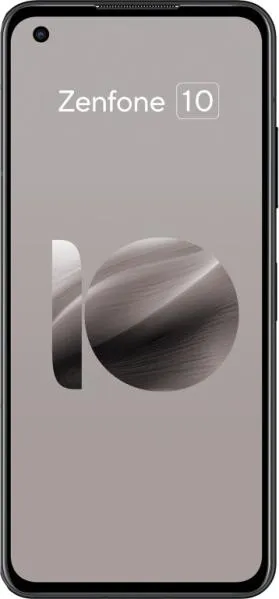
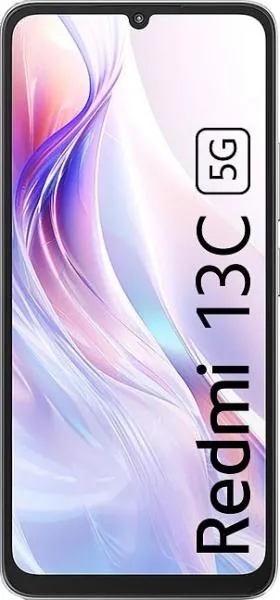
| Dimensions (mm) | 146.5 x 68.1 x 9.4 | 168 x 78 x 8.1 | Zenfone 10 is significantly smaller and more pocketable. Redmi 13C is larger and may feel bulky. |
| Weight (g) | 172 | 192 | Zenfone 10 is noticeably lighter and easier to hold for extended periods. |
| Build | (Missing) | (Missing) | Build materials impact durability and premium feel. Information needed for accurate comparison. |
| Display | |||
| Size (inches) | 5.92 | 6.74 | Redmi 13C offers a much larger screen for media consumption, but may be less comfortable for one-handed use. |
| Resolution | 1080 x 2400 | 720 x 1600 | Zenfone 10 has a sharper, more detailed display. Redmi 13C's display will appear pixelated in comparison. |
| Panel Type | Super AMOLED, 144Hz | IPS LCD, 90Hz | Zenfone 10's AMOLED offers richer colors, deeper blacks, and smoother scrolling thanks to the higher refresh rate. Redmi 13C's LCD is less vibrant and may exhibit motion blur. |
| Performance | |||
| Chipset | Snapdragon 8 Gen 2 | Dimensity 6100+ | Zenfone 10 boasts a flagship processor, ensuring significantly faster performance, smoother multitasking, and better gaming capabilities compared to the Redmi 13C's mid-range chip. |
| RAM | 8GB/16GB | 4GB/6GB/8GB | More RAM in certain Zenfone 10 variants allows for more apps to run in the background without performance slowdown. |
| Storage | 128GB/256GB/512GB | 128GB/256GB | Zenfone 10 offers a higher storage option (512GB). |
| Camera | |||
| Main Camera | 50MP, Sony IMX766 | 50MP, Samsung S5KJN1 | Both have high megapixel counts, but sensor quality and image processing significantly affect final image quality. More details needed for in-depth comparison. |
| Video Recording | 8K@24fps, 4K@60fps | 1080p@30fps | Zenfone 10 offers superior video recording capabilities with much higher resolution and frame rates. |
| Battery | |||
| Capacity (mAh) | 4300 | 5000 | Redmi 13C has a larger battery capacity, potentially leading to longer battery life. However, actual usage depends on factors like display, processor efficiency, and software optimization. |
2. Key Differences Analysis
Asus Zenfone 10 Advantages:
- Significantly more powerful: Snapdragon 8 Gen 2 offers flagship performance.
- Superior Display: AMOLED with 144Hz provides vibrant colors and smooth visuals.
- Compact and lightweight design: Enhances portability and one-handed use.
- Advanced camera features: 8K video recording, gimbal stabilization.
Xiaomi Redmi 13C 5G Advantages:
- Larger battery: Potentially longer battery life.
- Lower price: Offers a more budget-friendly option.
- Larger display: Better for media consumption.
3. User Profiles & Recommendations
Asus Zenfone 10: Users who prioritize performance, a premium display, compact design, and advanced camera features. Ideal for demanding tasks, gaming, and content creation.
Xiaomi Redmi 13C 5G: Users on a tight budget who prioritize basic functionality, long battery life, and a large screen for media consumption. Suitable for casual use, web browsing, and social media.
4. Decision Framework
Key Questions:
- What is your budget? The Zenfone 10 is significantly more expensive.
- What are your performance needs? The Zenfone 10 vastly outperforms the Redmi 13C.
- What screen size do you prefer? Zenfone 10 is compact, Redmi 13C is large.
My Choice: Asus Zenfone 10
While the Redmi 13C 5G offers a larger battery and a more affordable price, the Zenfone 10's superior performance, stunning display, and compact form factor are decisive factors for me. I prioritize a smooth and responsive user experience, and the Snapdragon 8 Gen 2 delivers that in spades. The AMOLED display with a 144Hz refresh rate is a significant upgrade over the Redmi 13C's LCD. While battery life is important, I value the overall performance and user experience more. The compact size of the Zenfone 10 also aligns with my preference for a phone that's easy to handle and carry. The significant price difference is justified by the substantial performance gap and premium features offered by the Zenfone 10.
