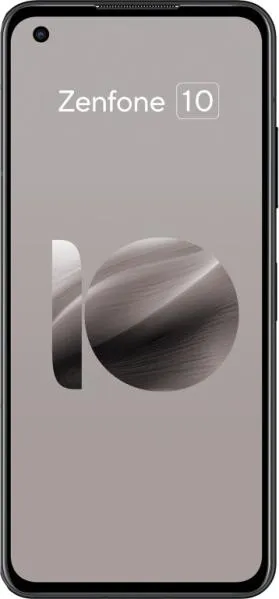
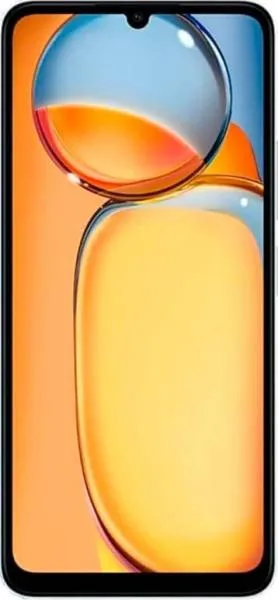
1. Specifications Comparison
| Feature | Asus Zenfone 10 | Xiaomi Redmi 13C | Practical Impact |
|---|---|---|---|
| Design | |||
| Dimensions (mm) | 146.5 x 68.1 x 9.4 | 168 x 78 x 8.1 | Zenfone 10 is significantly smaller and more pocketable. Redmi 13C is larger, potentially less comfortable for one-handed use. |
| Weight (g) | 172 | 192 | Zenfone 10 is noticeably lighter, reducing hand fatigue during extended use. |
| Build Material | Missing | Missing | Material affects durability and premium feel; information is lacking for both. |
| Display | |||
| Size (inches) | 5.92 | 6.74 | Redmi 13C offers a larger screen for media consumption, but may be less suitable for one-handed operation. |
| Resolution | 1080 x 2400 | 720 x 1600 | Zenfone 10 has a much sharper display (445 ppi vs 260 ppi), resulting in crisper text and images. |
| Type | Super AMOLED, 144Hz | IPS LCD, 90Hz | Zenfone 10's AMOLED provides deeper blacks, vibrant colors, and smoother scrolling thanks to the higher refresh rate. |
| Performance | |||
| Chipset | Snapdragon 8 Gen 2 | Helio G85 | Zenfone 10 boasts a flagship processor, ensuring significantly faster performance in demanding tasks and gaming. Redmi 13C's processor is budget-oriented, suitable for basic tasks. |
| RAM | 8GB/16GB | 4GB/6GB/8GB | Zenfone 10 offers more RAM in its base configuration, enabling better multitasking and smoother performance. |
| Storage | 128GB/256GB/512GB | 128GB/256GB | Both offer ample storage options, though Zenfone 10 provides a higher maximum capacity. |
| Camera | |||
| Main Camera | 50MP, Sony IMX766 | 50MP, Samsung S5KJN1 | Both have high megapixel counts, but sensor quality and image processing significantly impact real-world performance. Detailed comparison is limited by missing information. |
| Video Recording | Up to 8K@24fps | Up to 1080p@30fps | Zenfone 10 offers superior video recording capabilities, including higher resolution and frame rates. |
| Battery | |||
| Capacity (mAh) | 4300 | 5000 | Redmi 13C has a larger battery capacity, potentially offering longer battery life. However, real-world usage depends on various factors like screen size and processor efficiency. |
2. Key Differences Analysis
Zenfone 10 Advantages:
- Significantly more powerful: Snapdragon 8 Gen 2 delivers flagship performance for demanding tasks and gaming.
- Superior display: AMOLED with 144Hz refresh rate provides vibrant colors, deeper blacks, and smoother scrolling.
- More compact and lighter: Easier to handle and carry.
- Higher quality video recording: Up to 8K resolution and better stabilization.
Redmi 13C Advantages:
- Larger battery: Potential for longer battery life.
- Lower price: Significantly more affordable.
- Larger screen: More immersive for media consumption.
3. User Profiles & Recommendations
Zenfone 10: Users who prioritize performance, a premium display, and a compact form factor. Ideal for mobile gaming, demanding applications, and content creation.
Redmi 13C: Budget-conscious users who need a large screen for media consumption and prioritize battery life. Suitable for basic tasks, social media, and web browsing.
4. Decision Framework
Key Questions for Buyers:
- What is your budget? The Redmi 13C is significantly cheaper.
- What is your primary use case? Gaming and demanding tasks favor the Zenfone 10. Media consumption and basic tasks favor the Redmi 13C.
- Do you prefer a compact or large phone? The Zenfone 10 is considerably smaller.
My Choice: Asus Zenfone 10
While the Redmi 13C offers excellent value for its price, I would choose the Asus Zenfone 10. The significantly superior performance, higher quality display, and compact form factor are crucial for my usage. I prioritize a smooth and responsive user experience, especially for tasks like mobile gaming and photography. The price difference is substantial, but the Zenfone 10 offers a significant upgrade in overall quality and capabilities that aligns with my needs and preferences. While the Redmi 13C's larger battery is tempting, the Zenfone 10's power efficiency improvements in the Snapdragon 8 Gen 2 may close the gap in real-world usage. Ultimately, the compact size and premium feel of the Zenfone 10, combined with its powerful hardware, make it the better choice for me.
