1. Specifications Comparison
| Feature | Asus Zenfone 10 | Xiaomi Redmi 12 5G | Practical Impact |
|---|---|---|---|
| Design | |||
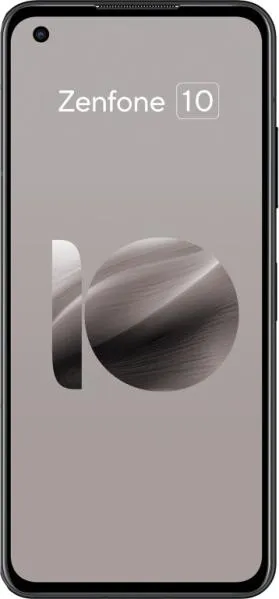
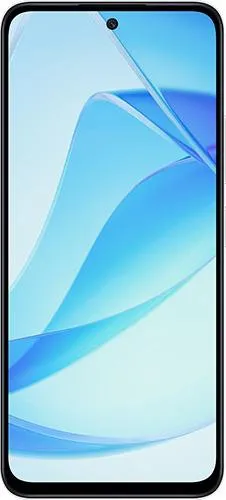
| Dimensions (mm) | 146.5 x 68.1 x 9.4 | 168.6 x 76.3 x 8.2 | Zenfone 10 is significantly smaller and more pocketable. Redmi 12 5G is larger, potentially less comfortable for one-handed use. |
| Weight (g) | 172 | 199 | Zenfone 10 is noticeably lighter, reducing hand fatigue during extended use. |
| Build Material | Missing | Missing | Cannot compare build quality and durability. |
| Display | |||
| Display Type | 5.92" Super AMOLED, 144Hz | 6.79" IPS LCD, 90Hz | Zenfone 10 offers deeper blacks, more vibrant colors, and smoother scrolling thanks to AMOLED and higher refresh rate. Redmi 12 5G has a larger display but with less vibrant colors and potentially less smooth animations. |
| Resolution | 1080 x 2400 | 1080 x 2460 | Comparable sharpness despite slight difference in size. |
| Peak Brightness | 1100 nits | Missing | Zenfone 10's higher peak brightness ensures better visibility in direct sunlight. Redmi 12 5G's missing spec makes comparison impossible. |
| Performance | |||
| Chipset | Snapdragon 8 Gen 2 | Snapdragon 4 Gen 2 | Zenfone 10 boasts a flagship-level processor, ensuring significantly faster performance in demanding tasks, gaming, and multitasking. Redmi 12 5G offers basic performance, suitable for everyday use but may struggle with demanding applications. |
| RAM | 8GB/16GB | 4GB/6GB/8GB | Zenfone 10's larger RAM options contribute to smoother multitasking and better performance with multiple apps open. |
| Storage | 128GB/256GB/512GB | 128GB/256GB | Both offer ample storage options, although Zenfone 10 provides a higher 512GB option for users needing extensive local storage. |
| Camera | |||
| Rear Camera | 50MP (Sony IMX766) + 13MP ultrawide | 50MP + 2MP depth | Zenfone 10 utilizes a higher-quality main sensor (IMX766) likely resulting in better image quality. Redmi 12 5G's secondary depth sensor offers limited practical use compared to an ultrawide. |
| Video Recording | Up to 8K@24fps | Up to 1080p@30fps | Zenfone 10 offers significantly higher resolution video recording capabilities. |
| Battery | |||
| Capacity | 4300 mAh | 5000 mAh | Redmi 12 5G has a larger battery capacity, potentially offering longer battery life. However, Zenfone 10's more efficient processor could offset this difference. Real-world usage will vary. |
| Charging Speed | Missing | Missing | Cannot compare charging speeds. |
2. Key Differences Analysis
Zenfone 10 Advantages:
- Significantly more powerful: Snapdragon 8 Gen 2 offers flagship-level performance.
- Superior display: AMOLED with 144Hz refresh rate for vibrant colors and smooth scrolling.
- Compact and lightweight: Easier to handle and carry.
- High-quality camera system: Better main sensor and higher resolution video recording.
- More premium features: Wi-Fi 7, Bluetooth 5.3, NFC.
Redmi 12 5G Advantages:
- Larger battery: Potentially longer battery life.
- Lower price: Significantly more affordable.
- Larger display: More screen real estate for media consumption.
Trade-offs:
- Performance vs. Price: Zenfone 10 prioritizes performance at a premium price, while Redmi 12 5G offers affordability with compromised performance.
- Size and Portability vs. Battery Life: Zenfone 10's compact size comes with a smaller battery, while Redmi 12 5G prioritizes battery capacity over pocketability.
3. User Profiles & Recommendations
Zenfone 10: Users who prioritize performance, a premium display, compact size, and a high-quality camera. Ideal for mobile gaming, demanding applications, and content creation.
Redmi 12 5G: Budget-conscious users who prioritize battery life and a large display for media consumption. Suitable for everyday tasks, social media, and web browsing. Price-to-value ratio is high for basic needs.
4. Decision Framework
Key Questions:
- What is your budget? The price difference is significant.
- What level of performance do you need? For gaming and demanding tasks, the Zenfone 10 is far superior.
- What size and form factor do you prefer? Compact or larger display?
Scenario-based Recommendations:
- Heavy gamer: Zenfone 10 is the clear choice.
- Budget-conscious student: Redmi 12 5G offers excellent value.
- Professional needing a reliable device: Zenfone 10 for its performance and features.
My Choice: Asus Zenfone 10
While the Redmi 12 5G offers great value for its price, I would choose the Asus Zenfone 10. The significantly superior performance, premium AMOLED display with 144Hz, compact form factor, and high-quality camera system are compelling. I prioritize a smooth and responsive user experience, especially for gaming and multitasking, and the Zenfone 10 delivers in those areas. While the battery capacity is smaller, the more efficient processor might mitigate the difference in real-world usage. The higher price is justified for the significant upgrade in overall quality and experience. The compact size is a major plus for me.
