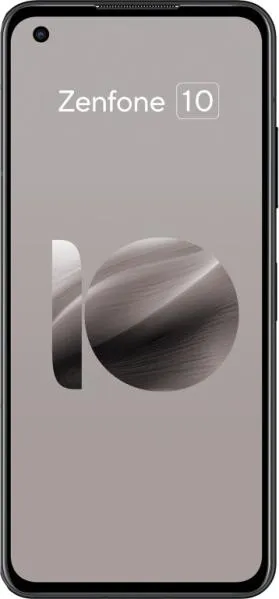
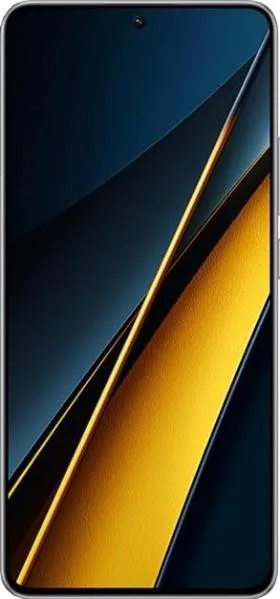
1. Specifications Comparison
| Feature | Asus Zenfone 10 | Xiaomi Poco X6 Pro | Practical Impact |
|---|---|---|---|
| Design | |||
| Dimensions (mm) | 146.5 x 68.1 x 9.4 | 160.5 x 74.3 x 8.3 | Zenfone 10 is significantly smaller and more pocketable. Poco X6 Pro is larger, potentially less comfortable for one-handed use. |
| Weight (g) | 172 | 186 | Zenfone 10 is noticeably lighter, reducing hand fatigue during extended use. |
| Build Material | Unspecified | Unspecified | Build quality and durability cannot be compared without material information. |
| Display | |||
| Size (inches) | 5.92 | 6.67 | Poco X6 Pro offers a larger screen for more immersive media consumption. Zenfone 10's smaller size benefits one-handed usability. |
| Resolution (px) | 1080 x 2400 | 1220 x 2712 | Both offer sharp displays, but Poco X6 Pro has a slightly higher resolution, potentially offering marginally crisper visuals. |
| Refresh Rate (Hz) | 144 | 120 | Zenfone 10's higher refresh rate results in smoother animations and scrolling, especially noticeable in gaming and fast-paced content. |
| Peak Brightness (nits) | 1100 | 1800 | Poco X6 Pro can get significantly brighter, ensuring better visibility in direct sunlight. |
| Display Type | AMOLED | AMOLED | Both use AMOLED technology, offering vibrant colors and deep blacks. |
| HDR | HDR10+ | HDR10+, Dolby Vision | Poco X6 Pro supports Dolby Vision, potentially offering a wider range of color and contrast in supported content. |
| Performance | |||
| Chipset | Snapdragon 8 Gen 2 | Dimensity 8300 Ultra | Snapdragon 8 Gen 2 is generally considered a more powerful chipset, likely offering better performance in demanding tasks and gaming. |
| CPU | Octa-core (up to 3.2 GHz) | Octa-core (up to 3.35 GHz) | While the Poco X6 Pro has a slightly higher clock speed on its primary core, overall CPU performance likely favors the Snapdragon 8 Gen 2 due to its superior architecture. |
| GPU | Adreno 740 | Mali G615-MC6 | Adreno 740 generally provides better gaming performance compared to the Mali G615-MC6. |
| RAM (GB) | 8/16 | 12 | Poco X6 Pro offers more RAM in its configurations, enabling better multitasking and smoother performance with multiple apps open. |
| Camera | |||
| Main Camera (MP) | 50 (Sony IMX766) | 64 (Omnivision OV64B) | While Poco X6 Pro has a higher resolution, sensor size and image processing are crucial for image quality. The IMX766 in the Zenfone 10 is known for its good performance. |
| Ultrawide (MP) | 13 | 8 | Zenfone 10 has a higher resolution ultrawide camera. |
| Video Recording | Up to 8K @ 24fps | Up to 4K @ 30fps | Zenfone 10 supports higher resolution video recording. |
| Battery | |||
| Capacity (mAh) | 4300 | 5000 | Poco X6 Pro has a significantly larger battery, likely resulting in longer battery life. |
2. Key Differences Analysis
Asus Zenfone 10 Advantages:
- Compact Size: Significantly smaller and lighter, ideal for one-handed use.
- Smoother Display: 144Hz refresh rate provides a more fluid user experience.
- More Powerful Chipset: Snapdragon 8 Gen 2 generally offers better performance.
- Higher Resolution Video: Capable of recording 8K video.
- Superior Main Camera Sensor: Although lower resolution, the Sony IMX766 is known for good performance.
Xiaomi Poco X6 Pro Advantages:
- Larger Display: More immersive for media consumption.
- Brighter Display: Better visibility in bright sunlight.
- Larger Battery: Potentially longer battery life.
- More RAM: Improved multitasking capabilities.
- Lower Price: Generally more affordable based on provided pricing data.
3. User Profiles & Recommendations
Asus Zenfone 10: Users who prioritize a compact, powerful phone with a smooth display. Ideal for one-handed use, gaming, and content creation involving high-resolution video.
Xiaomi Poco X6 Pro: Users who prefer a large screen for media consumption and prioritize battery life. Suitable for casual gaming, browsing, and general use. Offers great value for its price.
4. Decision Framework
Key Questions for Buyers:
- Do you prioritize one-handed usability and portability? If yes, Zenfone 10 is the better choice.
- How important is battery life to you? If long battery life is crucial, the Poco X6 Pro is preferable.
- What is your budget and how important is raw performance? The Zenfone 10 demands a higher price for its superior performance, while the Poco X6 Pro offers excellent value.
My Choice: Asus Zenfone 10
While the Poco X6 Pro offers excellent value and a compelling large screen and battery, I would choose the Asus Zenfone 10. The compact form factor, combined with the powerful Snapdragon 8 Gen 2 processor and 144Hz display, creates a premium and responsive user experience that I personally value. The superior main camera sensor and 8K video recording capabilities further solidify my choice. While battery life might be a slight concern, I am willing to compromise for the significant advantages offered by the Zenfone 10 in terms of performance, portability, and user experience. The slightly higher price is justified for the noticeable upgrade in quality and features.
