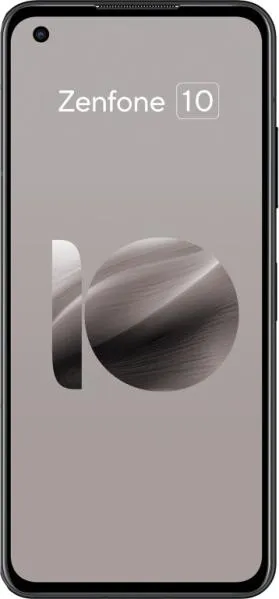
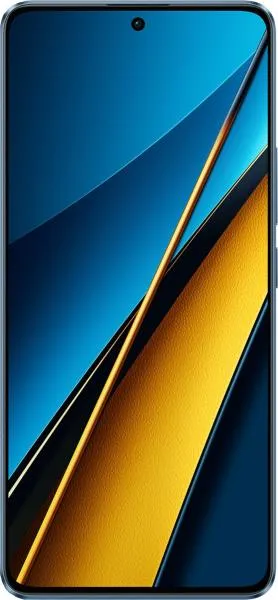
1. Specifications Comparison
| Feature | Asus Zenfone 10 | Xiaomi Poco X6 | Practical Impact |
|---|---|---|---|
| Design | |||
| Dimensions (mm) | 146.5 x 68.1 x 9.4 | 161.2 x 74.3 x 8 | Zenfone 10 is significantly smaller and more pocketable. Poco X6 is larger, potentially less comfortable for one-handed use. |
| Weight (g) | 172 | 181 | Zenfone 10 is noticeably lighter, reducing hand fatigue during extended use. |
| Fingerprint Sensor | Side-mounted | Under-display | Preference-based; side-mounted often faster, under-display more modern looking. |
| Display | |||
| Size (inches) | 5.92 | 6.67 | Poco X6 offers a larger screen for more immersive media consumption. Zenfone 10's smaller size benefits one-handed usability. |
| Resolution (px) | 1080 x 2400 | 1220 x 2712 | Both offer sharp displays; Poco X6 slightly sharper due to higher resolution and larger size. |
| Refresh Rate (Hz) | 144 | 120 | Zenfone 10's higher refresh rate results in smoother animations and scrolling. |
| Display Type | Super AMOLED | AMOLED | Both provide vibrant colors and deep blacks. |
| Peak Brightness (nits) | 1100 | 1800 | Poco X6's significantly higher peak brightness ensures better visibility in direct sunlight. |
| HDR | HDR10+ | Dolby Vision | Both support advanced HDR formats for improved video quality; Dolby Vision generally considered superior but content availability is a factor. |
| Performance | |||
| Chipset | Snapdragon 8 Gen 2 | Snapdragon 7s Gen 2 | Zenfone 10's flagship Snapdragon 8 Gen 2 provides significantly faster performance for demanding tasks and gaming. |
| CPU | Octa-core (up to 3.2 GHz) | Octa-core (up to 2.4 GHz) | Zenfone 10's CPU offers superior processing power, resulting in faster app launches, smoother multitasking, and better gaming performance. |
| GPU | Adreno 740 | Adreno 710 | Zenfone 10's GPU significantly outperforms the Poco X6, providing a much better gaming experience and faster graphics rendering. |
| RAM (GB) | 8/16 | 12 | While Poco X6 offers more RAM in this comparison, the Zenfone 10's superior processor may negate this advantage in real-world usage for many users. 16GB option available for Zenfone 10. |
| Camera | |||
| Main Camera (MP) | 50 | 64 | Poco X6 boasts higher megapixel count, but sensor size and processing play a crucial role in image quality, which can't be fully determined from these specs. |
| Ultrawide (MP) | 13 | 8 | Zenfone 10 has a slightly higher resolution ultrawide. |
| Video Recording | Up to 8K@24fps | Up to 4K@30fps | Zenfone 10 offers significantly higher video resolution capabilities. |
| Battery | |||
| Capacity (mAh) | 4300 | 5100 | Poco X6 has a larger battery, potentially leading to longer battery life. However, real-world usage varies greatly. |
2. Key Differences Analysis
Asus Zenfone 10 Advantages:
- Significantly faster performance: The Snapdragon 8 Gen 2 provides a substantial advantage in processing power and graphics performance.
- Smoother display: The 144Hz refresh rate offers a noticeably smoother user experience.
- More compact and lighter: Easier to handle and carry.
- Higher resolution video recording: Up to 8K.
Xiaomi Poco X6 Advantages:
- Larger display: More immersive for media consumption.
- Larger battery: Potential for longer battery life.
- Higher peak brightness: Better outdoor visibility.
- Lower price: Offers a more budget-friendly option. (Based on provided price data)
Trade-offs:
- Performance vs. Battery Life: Zenfone 10 prioritizes performance with a smaller battery; Poco X6 leans towards longer battery life with less powerful hardware.
- Size and One-Handed Use: Zenfone 10 is compact but has a smaller screen; Poco X6 offers a larger screen but compromises one-handed usability.
3. User Profiles & Recommendations
Asus Zenfone 10: Users who prioritize performance, a smooth display, and a compact form factor. Ideal for:
- Mobile gamers: Demanding games will run smoother and faster.
- Power users: Handles multitasking and demanding apps with ease.
- Users who prefer smaller phones: Fits comfortably in hand and pocket.
Xiaomi Poco X6: Users who prioritize battery life, a large display, and affordability. Ideal for:
- Media consumers: Large screen enhances movie watching and browsing.
- Casual users: Suitable for everyday tasks like social media, web browsing, and light gaming.
- Budget-conscious buyers: Offers good value for its price.
4. Decision Framework
Key Questions for Buyers:
- What is your budget? The Poco X6 is significantly cheaper.
- Do you prioritize performance or battery life? Zenfone 10 excels in performance; Poco X6 might offer longer battery life.
- Do you prefer a compact phone or a larger screen? Zenfone 10 is compact; Poco X6 has a larger display.
Scenario-Based Recommendations:
- Heavy gamer on a budget: Consider the Zenfone 10 if you can stretch your budget; otherwise, look for other options as neither perfectly fits.
- Casual user who watches a lot of videos: Poco X6 is a good choice.
- Professional who needs a powerful and portable phone: Zenfone 10 fits the bill.
My Choice: Asus Zenfone 10
While the Poco X6 offers a compelling price-to-value ratio, I would choose the Asus Zenfone 10. The significantly faster Snapdragon 8 Gen 2, smoother 144Hz display, and more compact form factor are crucial for my usage. I prioritize performance and a smooth user experience, and I'm willing to compromise slightly on battery life and screen size for those benefits. The Zenfone 10's superior camera capabilities, particularly in video recording, further solidify my choice. While the Poco X6's larger battery is tempting, I can manage with the Zenfone 10's battery with power-saving techniques if needed. The compact size is a significant advantage for me, as I prefer one-handed usability. Ultimately, the Zenfone 10's premium features and performance align better with my needs and preferences.
