1. Specifications Comparison
| Feature | Asus Zenfone 10 | Xiaomi Poco F6 Pro | Practical Impact |
|---|---|---|---|
| Design | |||
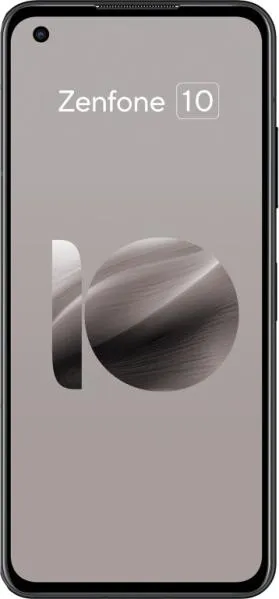
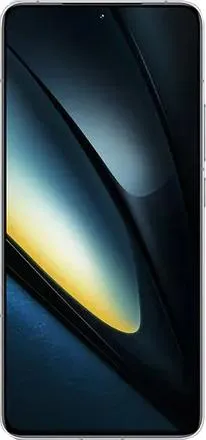
| Dimensions (mm) | 146.5 x 68.1 x 9.4 | 160.9 x 75 x 8.2 | Zenfone 10 is significantly smaller and more pocketable. Poco F6 Pro is larger, potentially less comfortable for one-handed use. |
| Weight (g) | 172 | 209 | Zenfone 10 is noticeably lighter, reducing hand fatigue during extended use. |
| Display | |||
| Size (inches) | 5.92 | 6.67 | Poco F6 Pro offers a larger screen for more immersive media consumption and multitasking. Zenfone 10 is better for one-handed usability. |
| Resolution | 1080 x 2400 | 1440 x 3200 | Poco F6 Pro has a sharper display due to higher resolution. |
| Refresh Rate (Hz) | 144 | 120 | Zenfone 10's higher refresh rate results in smoother animations and scrolling. While noticeable, the difference might not be crucial for all users. |
| Peak Brightness (nits) | 1100 | 4000 | Poco F6 Pro boasts significantly higher peak brightness, ensuring better visibility in direct sunlight. |
| Performance | |||
| Chipset | Snapdragon 8 Gen 2 | Snapdragon 8 Gen 2 | Both phones offer top-tier performance with the same powerful chipset. |
| RAM (GB) | 8/16 | 12/16 | Poco F6 Pro offers more RAM in its base configuration, potentially benefiting heavy multitaskers. |
| Camera | |||
| Main Camera (MP) | 50 (Sony IMX766) | 50 (Omnivision OV50E) | Both phones have 50MP main sensors. Image quality differences would depend on sensor tuning and processing. |
| Ultrawide (MP) | 13 | 8 | Zenfone 10 has a higher resolution ultrawide camera, potentially capturing more detail. |
| Macro (MP) | 2 | Poco F6 Pro includes a dedicated macro lens, while the Zenfone 10 combines macro functionality with the ultrawide lens. | |
| Battery | |||
| Capacity (mAh) | 4300 | 5000 | Poco F6 Pro offers a larger battery capacity, likely translating to longer battery life. |
2. Key Differences Analysis
Asus Zenfone 10 Advantages:
- Compact Size and Lighter Weight: Significantly more pocketable and comfortable for one-handed use.
- Higher Refresh Rate Display: Smoother scrolling and animations.
- Higher Resolution Ultrawide Camera: Potentially better detail in ultrawide shots.
Xiaomi Poco F6 Pro Advantages:
- Larger, Sharper Display: More immersive media experience.
- Significantly Brighter Display: Excellent outdoor visibility.
- Larger Battery Capacity: Longer battery life.
- More RAM: Better for heavy multitasking and future-proofing.
- Dedicated Macro Lens: While low resolution, offers dedicated macro capabilities.
3. User Profiles & Recommendations
Asus Zenfone 10: Ideal for users who prioritize one-handed usability, portability, and a smooth display. Excellent for users who consume media on the go or prefer a smaller phone.
Xiaomi Poco F6 Pro: Best suited for users who value a large, sharp, and bright display for media consumption, gaming, and multitasking. Good for power users who demand long battery life.
4. Decision Framework
Key Questions for Buyers:
- How important is one-handed usability and portability?
- Do you prioritize display size and brightness or a higher refresh rate?
- How much do you value battery life and RAM capacity?
Scenario-Based Recommendations:
- Frequent traveler or one-handed user: Asus Zenfone 10
- Multimedia enthusiast or heavy gamer: Xiaomi Poco F6 Pro
My Choice: Xiaomi Poco F6 Pro
While I appreciate the Zenfone 10's compact form factor, the Poco F6 Pro's larger and brighter display, coupled with its substantially longer battery life and greater RAM, makes it the more compelling device for me. I prioritize a larger screen for media consumption and productivity. The significantly higher peak brightness is crucial for outdoor use. Although the Zenfone 10 has a slightly smoother display due to the 144Hz refresh rate, the trade-offs in battery life, screen size, and brightness are not worthwhile for my personal needs. The larger battery and increased RAM in the Poco F6 Pro also provide better value in the long run.
