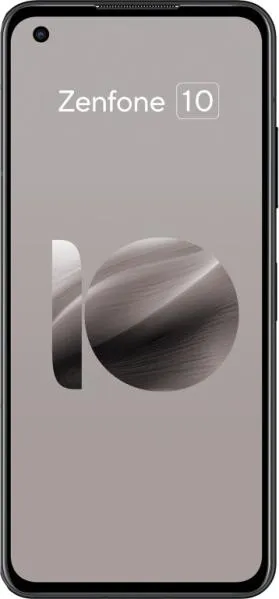
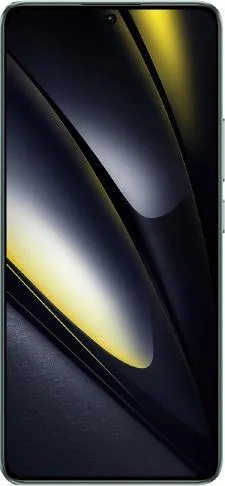
1. Specifications Comparison
| Feature | Asus Zenfone 10 | Xiaomi Poco F6 | Practical Impact |
|---|---|---|---|
| Design | |||
| Dimensions (mm) | 146.5 x 68.1 x 9.4 | 160.5 x 74.5 x 8 | Zenfone 10 significantly smaller and more pocketable. Poco F6 is larger, potentially less comfortable for one-handed use. |
| Weight (g) | 172 | 179 | Negligible weight difference in real-world usage. |
| Build Material | Not specified | Not specified | Cannot compare build quality and durability without this information. |
| Display | |||
| Size (inches) | 5.92 | 6.67 | Poco F6 offers a larger screen for more immersive media consumption and multitasking. Zenfone 10 is more compact. |
| Resolution (pixels) | 1080 x 2400 | 1220 x 2712 | Poco F6 has a slightly higher resolution, but both offer sharp visuals due to similar PPI density. |
| Refresh Rate (Hz) | 144 | 120 | Zenfone 10's higher refresh rate provides smoother animations and scrolling. |
| Peak Brightness (nits) | 1100 | 2400 | Poco F6 boasts significantly higher peak brightness, ensuring better visibility in direct sunlight. |
| Display Type | Super AMOLED | AMOLED | Both offer vibrant colors and deep blacks. Poco F6 supports Dolby Vision for enhanced HDR content. |
| Performance | |||
| Chipset | Snapdragon 8 Gen 2 | Snapdragon 8+ Gen 1 | Zenfone 10 utilizes a newer, more powerful chipset resulting in superior performance in demanding tasks and gaming. |
| CPU | Octa-core (1x3.2 GHz Cortex-X3 & 2x2.8 GHz Cortex-A715 & 2x2.8 GHz Cortex-A710 & 3x2.0 GHz Cortex-A510) | Octa-core (1x3.0 GHz Cortex-X4 & 4x2.8 GHz Cortex-A720 & 3x2.0 GHz Cortex-A520) | Zenfone 10's CPU configuration, while using a slightly older core architecture, boasts a higher clock speed on its prime core, offering a potential performance edge in single-threaded tasks. |
| GPU | Adreno 740 | Adreno 735 | Zenfone 10 has a more powerful GPU, translating to better gaming performance and smoother graphics rendering. |
| RAM | 8GB | Up to 12GB | Poco F6 offers configurations with more RAM, enabling better multitasking and preventing app closures in the background. |
| Camera | |||
| Main Camera (MP) | 50 (Sony IMX766) | 50 (Sony IMX882) | Both phones feature high-resolution sensors. Poco F6 uses the slightly newer IMX882 which potentially provides improvements in low-light performance and dynamic range, though real-world differences might be minimal. |
| Ultrawide (MP) | 13 | 8 | Zenfone 10 offers a higher resolution ultrawide camera. |
| Video Recording | Up to 8K@24fps | Up to 4K@60fps | Zenfone 10 supports 8K video recording, but this is rarely used due to large file sizes. |
| Battery | |||
| Capacity (mAh) | 4300 | 5000 | Poco F6 has significantly larger battery capacity, likely resulting in longer battery life. |
2. Key Differences Analysis
Asus Zenfone 10 Advantages:
- Significantly more compact: Easier for one-handed use and pocketability.
- Higher refresh rate display: Smoother scrolling and animations.
- More powerful chipset and GPU: Better performance for gaming and demanding tasks.
- Higher resolution ultrawide camera: More detailed wide-angle shots.
Xiaomi Poco F6 Advantages:
- Larger display: More immersive media consumption and multitasking.
- Significantly brighter display: Better visibility in sunlight.
- Larger battery: Longer battery life.
- Dolby Vision support: Enhanced HDR experience.
- More RAM in higher configurations: Improved multitasking capabilities.
- Lower price: Offers better value for performance
3. User Profiles & Recommendations
Asus Zenfone 10: Users who prioritize a compact size, smooth performance, and a high quality camera experience, even with a slightly smaller battery. Ideal for one-handed use, gaming on the go, and those who value portability.
Xiaomi Poco F6: Users who prioritize a large, bright display, long battery life, and value for money. Suitable for media consumption, multitasking, and those who prefer a larger screen real estate.
4. Decision Framework
Key Questions for Buyers:
- How important is phone size and one-handed usability?
- What is your budget and how much do you prioritize performance vs battery life?
- What are your primary use cases (e.g., gaming, media consumption, photography)?
Scenario-Based Recommendations:
- Gamer with a limited budget: Poco F6 (12GB RAM version for better performance).
- User prioritizing portability and premium performance: Asus Zenfone 10.
- Heavy media consumer who needs long battery life: Poco F6.
My Choice: Xiaomi Poco F6 (12GB/512GB)
While the Asus Zenfone 10 offers a compelling compact design and superior performance, the Xiaomi Poco F6 (specifically the 12GB/512GB version) offers a better overall package for my needs. The larger, brighter display is crucial for media consumption and productivity. The significantly larger battery ensures longer usage without worrying about charging. While I appreciate the Zenfone 10's smoother performance, the Poco F6 with 12GB RAM offers ample performance for my daily tasks and occasional gaming. Finally, the substantial price difference makes the Poco F6 a more compelling value proposition. The Zenfone's compact size is appealing, but the trade-offs in battery life and screen size are too significant for me personally.
