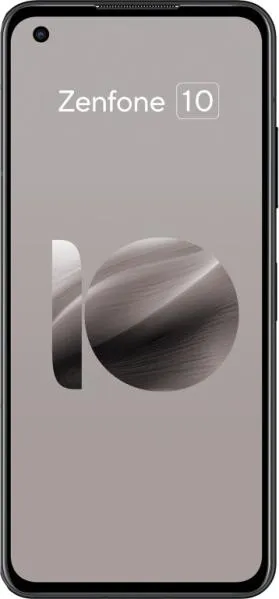

1. Specifications Comparison
| Feature | Asus Zenfone 10 | Xiaomi Poco C65 | Practical Impact |
|---|---|---|---|
| Design | |||
| Dimensions (mm) | 146.5 x 68.1 x 9.4 | 168 x 78 x 8.1 | Zenfone 10 is significantly smaller and more pocketable. Poco C65 is larger, potentially less comfortable for one-handed use. |
| Weight (g) | 172 | 192 | Zenfone 10 is noticeably lighter, reducing hand fatigue during extended use. |
| Build Material | Missing | Missing | Cannot compare build quality and durability without this information. |
| Display | |||
| Display Type | 5.92" Super AMOLED, 144Hz | 6.74" IPS LCD, 90Hz | Zenfone 10 offers richer colors, deeper blacks, and smoother scrolling due to AMOLED technology and higher refresh rate. Poco C65 has a larger display but with less vibrant colors and potentially less smooth animations. |
| Resolution | 1080 x 2400 | 720 x 1600 | Zenfone 10's display is significantly sharper and more detailed (445 ppi vs 260 ppi). Poco C65's lower resolution might result in pixelation, especially noticeable when viewing text or images. |
| Peak Brightness | 1100 nits | 600 nits (HBM) | Zenfone 10 will be much more readable in direct sunlight. |
| Performance | |||
| Chipset | Snapdragon 8 Gen 2 | Helio G85 | Zenfone 10 boasts a flagship-level processor, ensuring significantly faster performance, smoother multitasking, and better gaming capabilities compared to the Poco C65's mid-range chip. |
| RAM | 8GB/16GB | 4GB/6GB/8GB | Zenfone 10 offers more RAM in its higher configurations enabling smoother multitasking and better performance with demanding applications. |
| Storage | 128GB/256GB/512GB | 128GB/256GB | Zenfone 10 offers a wider range of storage options, catering to users with higher storage needs. |
| Camera | |||
| Main Camera | 50MP Sony IMX766 | 50MP Samsung S5KJN1 | Both have high megapixel counts, but sensor quality and image processing will ultimately determine real-world performance. Specific details on image processing are missing. |
| Video Recording | Up to 8K@24fps | Up to 1080p@30fps | Zenfone 10 offers significantly higher video resolution and frame rate options for more detailed and smoother video recording. |
| Battery | |||
| Capacity | 4300 mAh | 5000 mAh | Poco C65 has a larger battery capacity, potentially offering longer battery life. However, real-world battery life depends on various factors, including software optimization and display power consumption. |
2. Key Differences Analysis
Zenfone 10 Advantages:
- Significantly more powerful: Snapdragon 8 Gen 2 offers vastly superior performance for demanding tasks and gaming.
- Superior display: AMOLED with 144Hz offers vibrant colors, deep blacks, and incredibly smooth scrolling.
- More compact and premium: Smaller size, lighter weight, and likely better build materials (though unspecified).
- Higher quality camera system: Potentially better image quality and significantly better video recording capabilities.
Poco C65 Advantages:
- Larger battery: Potentially longer battery life, though real-world usage will vary.
- Lower price: Significantly more affordable, targeting budget-conscious users.
- Larger display: Provides more screen real estate for media consumption.
3. User Profiles & Recommendations
Zenfone 10: Users who prioritize performance, a premium compact design, a vibrant display, and a capable camera. Ideal for power users, mobile gamers, and those who prefer a smaller phone.
Poco C65: Budget-conscious users who prioritize battery life and a large display for media consumption. Suitable for basic tasks, social media browsing, and casual gaming. Not recommended for demanding users.
4. Decision Framework
Key Questions:
- What is your budget? The Poco C65 is significantly cheaper.
- What is your priority: performance or battery life? Zenfone 10 excels in performance, while Poco C65 might offer longer battery life.
- Do you prefer a compact phone or a larger screen? Zenfone 10 is compact, while Poco C65 has a large display.
My Choice: Asus Zenfone 10
While lacking some specifications like build material, the Zenfone 10 is the clear winner for me. The superior performance of the Snapdragon 8 Gen 2, combined with the beautiful 144Hz AMOLED display, creates a significantly better user experience. The compact form factor is a major plus for me, as I prefer one-handed usability. While the Poco C65 offers a larger battery and lower price, the performance and display compromises are too significant to ignore. I value a smooth and responsive experience, and the Zenfone 10 delivers that in spades. The higher price is justified by the significant leap in quality and performance. I am willing to compromise slightly on battery life for a significantly better overall experience.
