1. Specifications Comparison
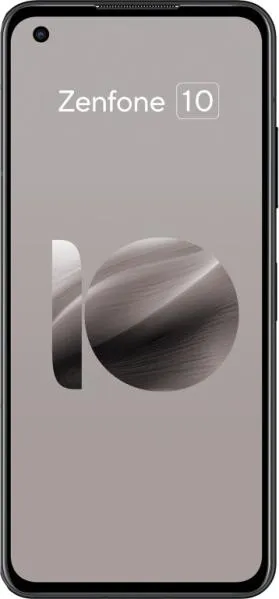
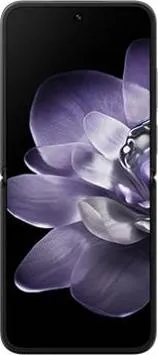
| Feature | Asus Zenfone 10 | Xiaomi Mix Flip | Practical Impact |
|---|---|---|---|
| Design | |||
| Dimensions (mm) | 146.5 x 68.1 x 9.4 | 167.5 x 74 x 7.6 | Zenfone 10 is significantly smaller and more pocketable; Mix Flip is thinner when folded but larger unfolded. |
| Weight (g) | 172 | 190 | Zenfone 10 is noticeably lighter for one-handed use. |
| Foldable | No | Yes | Mix Flip offers a larger screen in a compact folded size, but with added complexity and potential durability concerns. |
| Display | |||
| Size (inches) | 5.92 | 6.86 | Mix Flip provides a much larger screen area for media consumption and multitasking. |
| Resolution (px) | 1080 x 2400 | 1224 x 2912 | Both offer sharp displays, but Mix Flip has a slightly higher resolution. |
| Refresh Rate (Hz) | 144 | 120 | Zenfone 10's higher refresh rate results in smoother animations and scrolling. |
| Peak Brightness (nits) | 1100 | 3000 | Mix Flip's significantly higher peak brightness ensures better outdoor visibility. |
| Display Type | Super AMOLED | Foldable LTPO AMOLED | Mix Flip's foldable LTPO panel allows for dynamic refresh rate adjustment, potentially saving battery. |
| Performance | |||
| Chipset | Snapdragon 8 Gen 2 | Snapdragon 8 Gen 3 | Mix Flip boasts a newer, more powerful processor, leading to faster performance and better efficiency. |
| CPU | Octa-core (up to 3.2 GHz) | Octa-core (up to 3.3 GHz) | Mix Flip has a slight CPU clock speed advantage but architectural differences may impact real-world performance further. |
| GPU | Adreno 740 | Adreno 750 | Mix Flip's newer GPU should provide improved gaming and graphics performance. |
| RAM (GB) | 8/16 | 12 | Mix Flip offers more RAM for better multitasking and app switching. |
| Camera | |||
| Main Camera (MP) | 50 (Sony IMX766) | 50 (OmniVision OV50) | Both use high-quality sensors; real-world image quality will depend on processing and software. Sensor model differences may impact low-light performance - more information needed on specific sensor capabilities to draw strong conclusions. |
| Telephoto | No | 60MP | Mix Flip offers a dedicated telephoto lens for optical zoom, absent in the Zenfone 10. |
| Battery | |||
| Capacity (mAh) | 4300 | 4780 | Mix Flip has a larger battery capacity, potentially offering longer battery life. However, the larger display may offset this advantage. |
2. Key Differences Analysis
Asus Zenfone 10 Advantages:
- Compactness and One-Handed Use: Significantly smaller and lighter, ideal for users prioritizing portability and ease of use.
- Higher Refresh Rate Display: Smoother scrolling and animations for a more responsive user experience.
- Lower Price: Positioned in the mid-range price segment, offering good value for its specifications.
Xiaomi Mix Flip Advantages:
- Larger, Foldable Display: Provides a more immersive experience for media consumption and multitasking.
- More Powerful Processor and GPU: Offers better performance for demanding tasks and gaming.
- Larger Battery: Potentially longer battery life, although this could be offset by the larger display's power consumption.
- Telephoto Lens: Enables optical zoom for capturing distant subjects.
3. User Profiles & Recommendations
Asus Zenfone 10: Ideal for users who prioritize a compact, lightweight phone with a smooth display and good performance. Suitable for one-handed use, portability, and everyday tasks.
Xiaomi Mix Flip: Best suited for users who value a large screen for media consumption, multitasking, and productivity. The foldable design adds a unique element but comes with a higher price tag.
4. Decision Framework
Key Questions for Buyers:
- How important is portability and one-handed usability?
- Is a large screen for media and multitasking a priority?
- What is your budget, and what level of performance do you require?
My Choice: Asus Zenfone 10
While the Xiaomi Mix Flip boasts impressive specifications, the Asus Zenfone 10 better aligns with my personal preferences. I prioritize compactness, portability, and one-handed usability. The Zenfone 10 excels in these areas while still offering a smooth 144Hz display and powerful performance for everyday tasks. I am willing to sacrifice a larger screen and slightly less powerful processor for the significant gains in portability and ease of use. The lower price of the Zenfone 10 also contributes to its overall value proposition for me. While the Mix Flip's foldable display and telephoto lens are tempting, they are not essential features for my usage. I appreciate the cutting-edge technology of the Mix Flip, but the Zenfone 10 provides a more practical and enjoyable user experience for my needs.
