1. Specifications Comparison
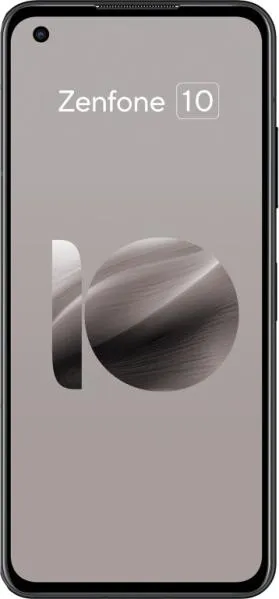
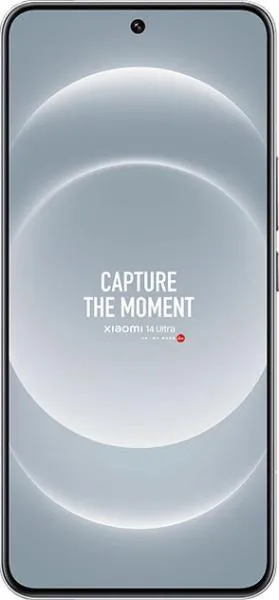
| Feature | Asus Zenfone 10 | Xiaomi 14 Ultra | Practical Impact |
|---|---|---|---|
| Design | |||
| Dimensions (mm) | 146.5 x 68.1 x 9.4 | 161.4 x 75.3 x 9.2 | Zenfone 10 is significantly smaller and more pocketable. Xiaomi 14 Ultra is larger and heavier. |
| Weight (g) | 172 | 229.5 | Zenfone 10 is noticeably lighter for one-handed use and extended periods. |
| Display | |||
| Size (inches) | 5.92 | 6.73 | Xiaomi 14 Ultra offers a larger screen for media consumption and multitasking. Zenfone 10 is better for one-handed use. |
| Resolution | 1080 x 2400 | 1440 x 3200 | Xiaomi 14 Ultra has a sharper display. |
| Refresh Rate (Hz) | 144 | 120 | Zenfone 10 provides smoother scrolling and animations, especially in games. |
| Peak Brightness (nits) | 1100 | 3000 | Xiaomi 14 Ultra is significantly brighter outdoors. |
| Display Type | AMOLED | LTPO AMOLED | Both offer excellent contrast and colors. Xiaomi 14 Ultra's LTPO panel allows for dynamic refresh rate adjustment, saving battery. |
| Performance | |||
| Chipset | Snapdragon 8 Gen 2 | Snapdragon 8 Gen 3 | Xiaomi 14 Ultra has a newer, more powerful processor, resulting in faster performance and improved efficiency. |
| CPU | Octa-core (up to 3.2 GHz) | Octa-core (up to 3.3 GHz) | Xiaomi 14 Ultra has a slight CPU advantage. |
| GPU | Adreno 740 | Adreno 750 | Xiaomi 14 Ultra offers better graphics performance for demanding games. |
| RAM (GB) | 8/16 | 16 | Xiaomi 14 Ultra comes with more RAM, enabling better multitasking and smoother performance with demanding apps. |
| Camera | |||
| Main Camera (MP) | 50 | 50 | Both have high-resolution main sensors, likely with comparable image quality. |
| Additional Cameras | Wide, Macro | Wide, 3x Telephoto, 5x Periscope Telephoto | Xiaomi 14 Ultra offers significantly more versatile camera options with dedicated telephoto lenses. |
| Battery | |||
| Capacity (mAh) | 4300 | 5000 | Xiaomi 14 Ultra has a larger battery capacity, likely translating to longer battery life. |
| USB Type | USB Type-C 2.0 | USB Type-C 3.2 Gen 2 | Xiaomi 14 Ultra offers faster data transfer and potentially faster charging (depending on the charger used). |
2. Key Differences Analysis
Zenfone 10 Advantages:
- Compact Size and Lighter Weight: Significantly more pocketable and comfortable for one-handed use.
- Higher Refresh Rate Display: Smoother scrolling and animations.
Xiaomi 14 Ultra Advantages:
- More Powerful Processor and GPU: Better overall performance for demanding tasks and gaming.
- More Versatile Camera System: Dedicated telephoto lenses for optical zoom and improved image quality.
- Larger Battery: Potentially longer battery life.
- Brighter Display: Superior outdoor visibility.
- Faster Data Transfer: USB 3.2 Gen 2 for quicker file transfers.
3. User Profiles & Recommendations
Zenfone 10: Users who prioritize a compact and lightweight phone, value a smooth display, and don't need the most powerful processor or advanced camera features. Ideal for one-handed use, portability, and everyday tasks.
Xiaomi 14 Ultra: Users who prioritize performance, a large and bright display, a versatile camera system, and long battery life. Suitable for power users, mobile gamers, photographers, and content creators.
4. Decision Framework
Key Questions for Buyers:
- How important is one-handed usability and portability?
- What is your budget and how important is the price-to-performance ratio?
- What are your primary use cases (e.g., photography, gaming, everyday tasks)?
My Choice: Xiaomi 14 Ultra
While I appreciate the compact form factor of the Zenfone 10, the Xiaomi 14 Ultra's superior performance, camera versatility, and battery life are more compelling for my needs. The brighter display and faster charging are also significant advantages. The extra weight and size are a trade-off I'm willing to make for the significant gains in other areas. I frequently use my phone for photography and appreciate having optical zoom options. The longer battery life is also crucial for my usage patterns. While the Zenfone 10 offers a great value proposition, the Xiaomi 14 Ultra better suits my priorities as a power user who values performance, camera quality, and a long-lasting battery.
