1. Specifications Comparison
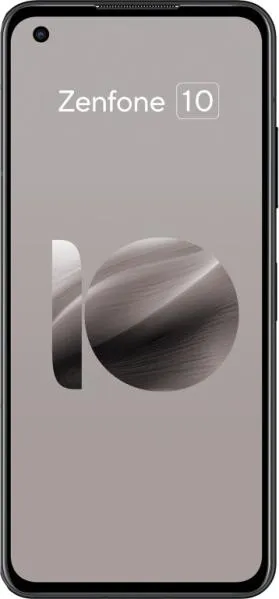
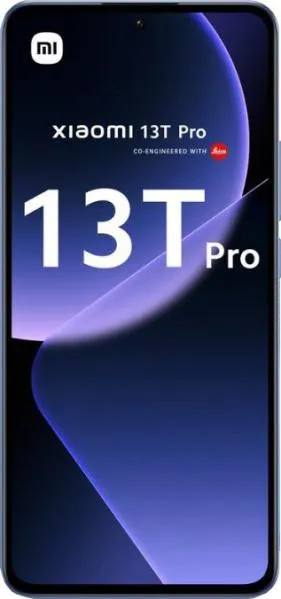
| Feature | Asus Zenfone 10 | Xiaomi 13T Pro | Practical Impact |
|---|---|---|---|
| Design | |||
| Dimensions (mm) | 146.5 x 68.1 x 9.4 | 162.2 x 75.7 x 8.5 | Zenfone 10 significantly smaller and more pocketable; 13T Pro larger, potentially less comfortable for one-handed use. |
| Weight (g) | 172 | 200 | Zenfone 10 noticeably lighter, reducing hand fatigue during extended use. |
| Display | |||
| Size (inches) | 5.92 | 6.67 | 13T Pro offers a larger display for more immersive media consumption and multitasking; Zenfone 10 prioritizes one-handed usability. |
| Resolution (px) | 1080 x 2400 | 1220 x 2712 | Both offer sharp displays; 13T Pro slightly higher resolution but negligible difference in practical use due to similar PPI. |
| Refresh Rate (Hz) | 144 | 144 | Both offer smooth scrolling and animations thanks to high refresh rates. |
| Peak Brightness (nits) | 1100 | 2600 | 13T Pro significantly brighter, ensuring better visibility in direct sunlight. |
| Performance | |||
| Chipset | Snapdragon 8 Gen 2 | Dimensity 9200+ | Both are high-end chipsets offering top-tier performance; benchmarks needed for definitive comparison. |
| CPU | Octa-core (1x3.2 GHz Cortex-X3 & 2x2.8 GHz Cortex-A715 & 2x2.8 GHz Cortex-A710 & 3x2.0 GHz Cortex-A510) | Octa-core (1x3.35 GHz Cortex-X3 & 3x3.0 GHz Cortex-A715 & 4x2.0 GHz Cortex-A510) | Slight differences in core configuration, practical performance differences likely minimal for average users. Requires real-world testing. |
| GPU | Adreno 740 | Immortalis-G715 MC11 | Both are powerful GPUs capable of handling demanding games; Adreno 740 generally considered more efficient. |
| RAM (GB) | 8/16 | 12/16 | 13T Pro offers more RAM in base configuration, potentially benefiting multitasking and demanding applications. |
| Camera | |||
| Main Camera (MP) | 50 (Sony IMX766) | 50 (Sony IMX707) | Both use high-quality sensors; IMX707 generally considered slightly better due to larger sensor size. |
| Telephoto | No | Yes (50MP OV50D40) | 13T Pro offers dedicated telephoto lens for optical zoom, enabling clearer zoomed-in shots. |
| Ultrawide (MP) | 13 | 13 | Comparable ultrawide cameras. |
| Battery | |||
| Capacity (mAh) | 4300 | 5000 | 13T Pro has significantly larger battery, likely translating to longer battery life. |
2. Key Differences Analysis
Asus Zenfone 10 Advantages:
- Compact Form Factor: Significantly smaller and lighter, ideal for one-handed use and portability.
- Potentially Longer Software Support: Asus has committed to two major Android updates and four years of security updates. Xiaomi's update policy is less clear.
Xiaomi 13T Pro Advantages:
- Larger Display: More immersive experience for media consumption and multitasking.
- Brighter Display: Superior outdoor visibility.
- Larger Battery: Potentially significantly longer battery life.
- Dedicated Telephoto Lens: Enables optical zoom for better quality zoomed images.
- Higher Base RAM: Better for multitasking and demanding applications.
3. User Profiles & Recommendations
Asus Zenfone 10: Users prioritizing one-handed usability, compact size, and pocketability. Ideal for those who value software updates.
Xiaomi 13T Pro: Users prioritizing large screen size, immersive media consumption, long battery life, and camera versatility with optical zoom.
4. Decision Framework
Key Questions for Buyers:
- How important is one-handed usability and portability?
- How much do you value a larger display and longer battery life?
- Is a dedicated telephoto lens for optical zoom a priority?
Scenario-Based Recommendations:
- Frequent Traveler: Zenfone 10 for its compact size and ease of use on the go.
- Media Enthusiast: Xiaomi 13T Pro for its larger, brighter display and potentially longer battery life.
- Photography Enthusiast: Xiaomi 13T Pro for its versatile camera system with a dedicated telephoto lens.
My Choice: Xiaomi 13T Pro
While I appreciate the compact size and potential software support of the Zenfone 10, the Xiaomi 13T Pro better suits my needs. The larger, brighter display is crucial for media consumption and productivity. The significantly larger battery capacity, telephoto lens, and higher base RAM are compelling advantages that outweigh the size difference for me. The brighter screen is essential for outdoor use. While the Zenfone 10 is a compelling option for users prioritizing compactness, the 13T Pro offers a more well-rounded package for my usage.
