1. Specifications Comparison
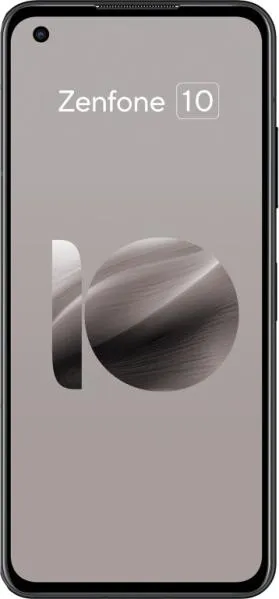
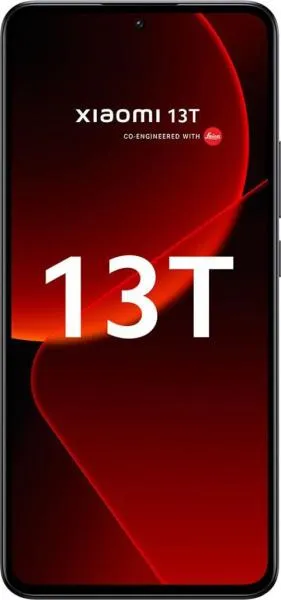
| Feature | Asus Zenfone 10 | Xiaomi 13T | Practical Impact |
|---|---|---|---|
| Design | |||
| Dimensions (mm) | 146.5 x 68.1 x 9.4 | 162.2 x 75.7 x 8.5 | Zenfone 10 significantly smaller and lighter, easier for one-hand use and pocket portability. Xiaomi 13T noticeably larger and heavier. |
| Weight (g) | 172 | 193 | Reinforces the portability advantage of the Zenfone 10. |
| Display | |||
| Size (inches) | 5.92 | 6.67 | Xiaomi 13T offers a larger screen for media consumption and multitasking, Zenfone 10 prioritizes one-handed usability. |
| Resolution (px) | 1080 x 2400 | 1220 x 2712 | Xiaomi 13T has a slightly sharper display due to higher resolution and larger size. |
| Refresh Rate (Hz) | 144 | 144 | Both offer smooth scrolling and gaming experiences. |
| Peak Brightness (nits) | 1100 | 2600 | Xiaomi 13T significantly brighter, improving outdoor visibility. |
| Performance | |||
| Chipset | Snapdragon 8 Gen 2 | Dimensity 8200 Ultra | Snapdragon 8 Gen 2 generally considered more powerful, potentially offering better sustained performance in demanding tasks. |
| CPU | Octa-core | Octa-core | Specific core configurations differ, impacting performance characteristics. More detailed benchmarks needed for accurate comparison. |
| GPU | Adreno 740 | Mali-G610 MC6 | Adreno 740 generally considered to offer better gaming performance. |
| RAM (GB) | 8/16 | 12 | Xiaomi 13T offers more RAM in the reviewed configuration, potentially improving multitasking and app switching. |
| Camera | |||
| Main Camera (MP) | 50 | 50 | Both have high-resolution main sensors, but sensor size and other factors influence image quality. Xiaomi 13T has a larger sensor. |
| Telephoto | No | Yes (50MP) | Xiaomi 13T offers optical zoom capability, absent in the Zenfone 10. |
| Ultrawide (MP) | 13 | 13 | Comparable ultrawide capabilities on paper. |
| Battery | |||
| Capacity (mAh) | 4300 | 5000 | Xiaomi 13T has a significantly larger battery, likely resulting in longer battery life. |
2. Key Differences Analysis
Asus Zenfone 10 Advantages:
- Compactness and One-Handed Use: Significantly smaller and lighter, ideal for users prioritizing portability and one-handed operation.
- Potentially Superior Performance: Snapdragon 8 Gen 2 generally offers better performance than Dimensity 8200 Ultra.
Xiaomi 13T Advantages:
- Larger Display: Provides a more immersive experience for media consumption and multitasking.
- Brighter Display: Significantly brighter, crucial for outdoor readability.
- Longer Battery Life: Larger battery capacity suggests significantly better battery life.
- Optical Zoom: Dedicated telephoto lens provides optical zoom capabilities.
- More RAM: 12GB RAM configuration provides better multitasking capabilities.
3. User Profiles & Recommendations
Asus Zenfone 10: Users who prioritize a compact, powerful phone for easy one-handed use and portability. Ideal for those who value a premium feel and pocketability over a larger screen and maximum battery life.
Xiaomi 13T: Users who prioritize a large, bright display for media consumption, multitasking, and gaming. Suitable for those who require all-day battery life and appreciate the versatility of an optical zoom lens.
4. Decision Framework
Key Questions for Buyers:
- How important is one-handed usability and portability? Zenfone 10 excels here.
- Do you prioritize a large and bright display for media consumption? Xiaomi 13T is the better choice.
- How crucial is long battery life? Xiaomi 13T likely offers significantly longer usage time.
My Choice: Xiaomi 13T
While I appreciate the compact form factor of the Zenfone 10, the Xiaomi 13T's larger and significantly brighter display, coupled with its longer battery life and optical zoom lens, make it a more compelling overall package for me. The performance difference between the two chipsets, while likely noticeable in benchmarks, is probably less significant in real-world usage for my needs. The extra RAM in the Xiaomi 13T is also a welcome addition for multitasking. While the Zenfone 10's compact size is appealing, I prioritize screen real estate, battery life, and camera versatility. The Xiaomi 13T offers a better balance of features for my personal use case.
