1. Specifications Comparison
| Feature | Asus Zenfone 10 | vivo X100 Pro | Practical Impact |
|---|---|---|---|
| Design | |||
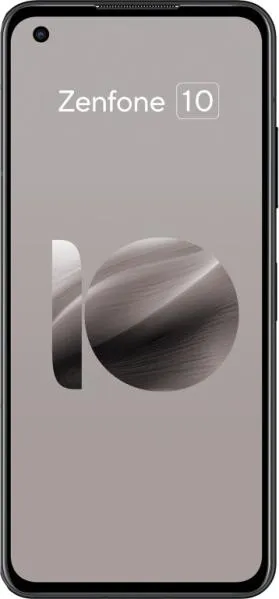
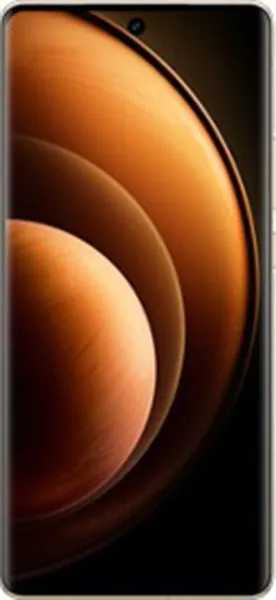
| Dimensions (mm) | 146.5 x 68.1 x 9.4 | 164.1 x 75.3 x 8.9 | Zenfone 10 is significantly smaller and more pocketable. X100 Pro is larger, potentially less comfortable for one-handed use. |
| Weight (g) | 172 | 221 | Zenfone 10 is noticeably lighter, reducing hand fatigue during extended use. |
| Build | Build materials not specified for either phone, limiting comparison. | ||
| Display | |||
| Size (inches) | 5.92 | 6.78 | X100 Pro offers a much larger screen for immersive media consumption and multitasking. Zenfone 10's smaller size benefits one-handed usability. |
| Resolution (px) | 1080 x 2400 | 1260 x 2800 | X100 Pro has a slightly sharper display. However, both offer high pixel density exceeding 440ppi, making text and images crisp on both. |
| Refresh Rate (Hz) | 144 | 120 | Zenfone 10's higher refresh rate results in smoother animations and scrolling. The difference might be noticeable in fast-paced games. |
| Panel Type | AMOLED | LTPO AMOLED | X100 Pro's LTPO panel allows for dynamic refresh rate adjustment, potentially saving battery. Both offer vibrant colors and deep blacks thanks to AMOLED technology. |
| Peak Brightness (nits) | 1100 | 3000 | X100 Pro boasts significantly higher peak brightness, ensuring excellent outdoor visibility even in direct sunlight. |
| Performance | |||
| Chipset | Snapdragon 8 Gen 2 | Dimensity 9300 | Both are high-end chipsets offering excellent performance. Benchmark comparisons are needed for a definitive performance assessment. |
| CPU | Octa-core (up to 3.2 GHz) | Octa-core (up to 3.25 GHz) | Both CPUs offer top-tier performance. Slight clock speed difference is unlikely to result in noticeable real-world performance variations. |
| GPU | Adreno 740 | Immortalis-G720 MC12 | GPU performance requires further benchmarking for accurate comparison. Both are capable of handling demanding games and applications. |
| RAM (GB) | 8/16 | 16 | X100 Pro offers more RAM in the provided configuration, enabling better multitasking and smoother performance with memory-intensive tasks. |
| Camera | |||
| Main Camera (MP) | 50 (Sony IMX766) | 50 (Sony IMX989) | X100 Pro uses a larger sensor (1-inch IMX989), potentially offering better low-light performance and depth of field. |
| Ultrawide (MP) | 13 | 50 | X100 Pro has a significantly higher resolution ultrawide camera, capturing more detail. |
| Telephoto (MP) | N/A | 50 (with OIS and Zeiss optics) | X100 Pro offers optical zoom with image stabilization and Zeiss lens technology, enabling superior zoomed shots. Zenfone 10 lacks a dedicated telephoto lens. |
| Battery | |||
| Capacity (mAh) | 4300 | 5400 | X100 Pro has a much larger battery capacity, likely translating to significantly longer battery life. |
| Charging Speed | Not specified | Not specified | Charging speed comparison is not possible due to missing information. |
2. Key Differences Analysis
Asus Zenfone 10 Advantages:
- Compact Size and Lower Weight: Significantly more pocketable and comfortable for one-handed use.
- Higher Refresh Rate Display: Smoother scrolling and animations.
- Potentially Lower Price: Depending on configuration, could offer better value.
vivo X100 Pro Advantages:
- Larger, Brighter Display: More immersive media consumption and excellent outdoor visibility.
- Larger Battery: Significantly longer battery life.
- Superior Camera System: Larger main sensor, high-resolution ultrawide, and a dedicated telephoto lens with OIS and Zeiss optics.
- More RAM: Better multitasking and smoother performance with memory-intensive tasks.
3. User Profiles & Recommendations
Asus Zenfone 10: Ideal for users who prioritize one-handed usability, portability, and a smooth display experience. Suitable for users who consume media moderately and prioritize a compact form factor.
vivo X100 Pro: Suited for users who prioritize a large, bright display for media consumption, mobile photography with advanced features, and long battery life. Ideal for power users and photography enthusiasts.
4. Decision Framework
Key Questions for Buyers:
- How important is one-handed usability and portability?
- What is your primary usage pattern? (Media consumption, gaming, photography, general use)
- What is your budget?
Scenario-Based Recommendations:
- Prioritize portability and affordability: Asus Zenfone 10
- Prioritize large screen, long battery, and camera performance: vivo X100 Pro
My Choice: vivo X100 Pro
While I appreciate the compact form factor of the Zenfone 10, the vivo X100 Pro's superior camera system, larger and brighter display, and significantly larger battery are more compelling to me. I prioritize photography and having a device that can handle a full day of heavy usage without needing a recharge. The X100 Pro's telephoto lens with OIS and Zeiss optics, coupled with the larger main sensor, promises a significant jump in image quality, especially in challenging lighting conditions. The larger battery capacity addresses a key pain point for me. The trade-off of a larger size is acceptable considering these substantial benefits. While the price might be higher, the overall package offered by the X100 Pro aligns better with my needs and preferences.
