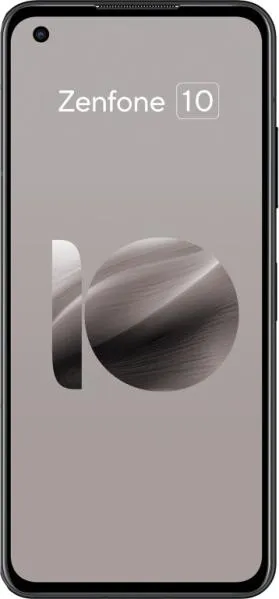

1. Specifications Comparison
| Feature | Asus Zenfone 10 | vivo X100 | Practical Impact |
|---|---|---|---|
| Design | |||
| Dimensions (mm) | 146.5 x 68.1 x 9.4 | 164.1 x 75.2 x 8.5 | Zenfone 10 is significantly smaller and more pocketable. Vivo X100 is thinner but taller and wider. |
| Weight (g) | 172 | 202 | Zenfone 10 is noticeably lighter for one-handed use. |
| Display | |||
| Size (inches) | 5.92 | 6.78 | Vivo X100 offers a much larger screen for media consumption. Zenfone 10 is better for one-handed use. |
| Resolution (px) | 1080 x 2400 | 1260 x 2800 | Both offer sharp displays, but the Vivo X100 has a slightly higher pixel density due to its larger size. |
| Refresh Rate (Hz) | 144 | 120 | Zenfone 10's higher refresh rate provides smoother scrolling and animations. |
| Peak Brightness (nits) | 1100 | 3000 | Vivo X100 is significantly brighter outdoors. |
| Display Type | Super AMOLED | LTPO AMOLED | Both are AMOLED displays with vibrant colors and deep blacks. Vivo X100's LTPO panel enables dynamic refresh rate adjustment for power saving. |
| Performance | |||
| Chipset | Snapdragon 8 Gen 2 | Dimensity 9300 | Both are flagship-level chipsets, but Snapdragon 8 Gen 2 generally benchmarks higher in raw performance. Real-world performance differences may be minimal for average users. |
| CPU | Octa-core (1x3.2 GHz Cortex-X3 & 2x2.8 GHz Cortex-A715 & 2x2.8 GHz Cortex-A710 & 3x2.0 GHz Cortex-A510) | Octa-core (1x3.25 GHz Cortex-X4 & 3x2.85 GHz Cortex-X4 & 4x2.0 GHz Cortex-A720) | Both offer top-tier CPU performance. Specific core configurations might favor certain tasks, but overall performance should be comparable for most users. |
| GPU | Adreno 740 | Immortalis-G720 MC12 | Adreno 740 generally performs better in graphics-intensive tasks like gaming. |
| RAM (GB) | 8 | 12 | Vivo X100 offers more RAM for multitasking and keeping apps open in the background. |
| Camera | |||
| Main Camera (MP) | 50 (Sony IMX766) | 50 (Sony IMX920) | Both have high-resolution sensors. The IMX920 in the Vivo X100 generally offers better low-light performance and dynamic range. |
| Other Cameras | 13MP Wide + Macro | 50MP Wide, 64MP Telephoto | Vivo X100 offers a more versatile camera system with a dedicated telephoto lens for optical zoom. |
| Battery | |||
| Capacity (mAh) | 4300 | 5000 | Vivo X100 has a larger battery capacity, likely resulting in longer battery life. |
2. Key Differences Analysis
Asus Zenfone 10 Advantages:
- Compact Size: Significantly smaller and lighter, ideal for one-handed use and portability.
- Higher Refresh Rate Display: Smoother scrolling and animations.
- Potentially Wider Software Support: Promised updates to Android 15.
vivo X100 Advantages:
- Larger Display: More immersive experience for media consumption.
- Brighter Display: Better visibility in direct sunlight.
- Larger Battery: Potentially longer battery life.
- More Versatile Camera System: Dedicated telephoto lens for optical zoom.
- More RAM: Improved multitasking and smoother performance with many apps open.
3. User Profiles & Recommendations
Asus Zenfone 10: Users who prioritize one-handed usability, portability, and smooth display performance. Ideal for those who prefer compact phones without compromising on flagship performance.
vivo X100: Users who prioritize a large, bright display, long battery life, and a versatile camera system. Suitable for media consumption, mobile photography, and heavy multitasking.
4. Decision Framework
Key Questions for Buyers:
- Do you prioritize one-handed usability and portability? If yes, the Zenfone 10 is a strong contender.
- How important is a large and bright display for media consumption? If crucial, the Vivo X100 is the better choice.
- What is your budget and which features matter most? Consider the price difference and weigh the importance of features like camera versatility, battery life, and performance.
My Choice: vivo X100
While I appreciate the compact size and smooth display of the Zenfone 10, the vivo X100's larger and brighter display, versatile camera system with a dedicated telephoto lens, larger battery, and greater RAM make it a more compelling overall package for my needs. I prioritize media consumption, photography, and having ample battery life, and the X100 excels in these areas. The slightly larger size is a trade-off I'm willing to make for these benefits. Though benchmark numbers favor the Snapdragon 8 Gen 2, the Dimensity 9300 in the Vivo X100, paired with 12GB of RAM, should still provide excellent real-world performance.
