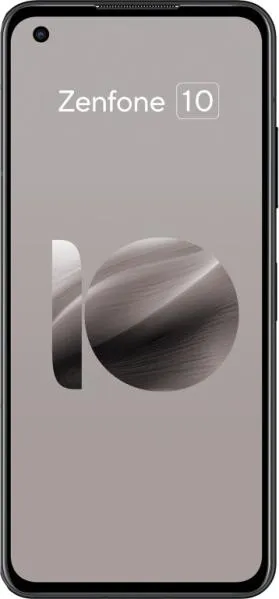

1. Specifications Comparison
| Feature | Asus Zenfone 10 | vivo V30 | Practical Impact |
|---|---|---|---|
| Design | |||
| Dimensions (mm) | 146.5 x 68.1 x 9.4 | 164.4 x 75.1 x 7.5 | Zenfone 10 is significantly smaller and more pocketable. Vivo V30 is larger, potentially less comfortable for one-handed use. |
| Weight (g) | 172 | 186 | Zenfone 10 is noticeably lighter, reducing hand fatigue during extended use. |
| Fingerprint Sensor | Side-mounted | Under-display | Personal preference, but side-mounted often allows for quicker unlocking without needing to look at the screen. |
| Display | |||
| Size (inches) | 5.92 | 6.78 | Vivo V30 offers a much larger screen for immersive media consumption and multitasking. Zenfone 10 is better for one-handed use. |
| Resolution (px) | 1080 x 2400 | 1260 x 2800 | Vivo V30 has a slightly higher resolution, resulting in marginally sharper text and images. Difference might not be noticeable in everyday use. |
| Refresh Rate (Hz) | 144 | 120 | Zenfone 10's higher refresh rate provides smoother animations and scrolling, especially noticeable in gaming and fast-paced UI interactions. |
| Peak Brightness (nits) | 1100 | 2800 (peak) | Vivo V30's significantly higher peak brightness ensures better visibility in direct sunlight. |
| Performance | |||
| Chipset | Snapdragon 8 Gen 2 | Snapdragon 7 Gen 3 | Zenfone 10 boasts a flagship-level processor, offering significantly better performance for demanding tasks and gaming. Vivo V30 uses a mid-range chip, suitable for everyday use but may struggle with demanding applications. |
| CPU | Octa-core (up to 3.2 GHz) | Octa-core (up to 2.63 GHz) | Zenfone 10's CPU has higher clock speeds, translating to faster app loading, multitasking, and overall responsiveness. |
| GPU | Adreno 740 | Adreno 720 | Zenfone 10's superior GPU delivers significantly better gaming performance and graphics rendering. |
| RAM (GB) | 8/16 | 8/12 | Both offer ample RAM for multitasking, but the 16GB option on the Zenfone 10 provides headroom for future-proofing and intensive applications. |
| Camera | |||
| Main Camera (MP) | 50 (Sony IMX766) | 50 (Omnivision OV50E) | Both have 50MP main sensors. Real-world image quality will depend on image processing, lens quality, and other factors not specified here. |
| Ultrawide (MP) | 13 | 50 | Vivo V30 surprisingly boasts a higher resolution ultrawide camera, potentially offering better detail and wider field of view. |
| Video Recording | Up to 8K@24fps | Up to 4K@30fps | Zenfone 10 supports higher resolution video recording (8K) and more frame rate options, offering greater flexibility for content creation. |
| Battery | |||
| Capacity (mAh) | 4300 | 5000 | Vivo V30 has a larger battery capacity, potentially resulting in longer battery life. Real-world usage will depend on optimization and individual usage patterns. |
2. Key Differences Analysis
Asus Zenfone 10 Advantages:
- Significantly more powerful: Snapdragon 8 Gen 2 provides a substantial performance advantage for demanding tasks and gaming.
- Smoother display: 144Hz refresh rate offers a noticeably smoother user experience.
- More compact and lighter: Easier to handle and carry.
- Higher resolution video recording: Up to 8K@24fps.
vivo V30 Advantages:
- Larger display: More immersive for media consumption.
- Larger battery: Potentially longer battery life.
- Higher resolution ultrawide camera: Potentially better detail and wider field of view.
- Brighter Display: Significantly better visibility outdoors
Trade-offs:
- Zenfone 10: Smaller battery for more compact size. Higher price for flagship performance.
- Vivo V30: Less powerful processor for longer battery life and lower price. Larger size might not be suitable for all users.
3. User Profiles & Recommendations
Zenfone 10: Ideal for users who prioritize performance, a smooth display, and a compact form factor. Suitable for mobile gaming, demanding applications, and one-handed use.
Vivo V30: Ideal for users who prioritize battery life, a large display for media consumption, and a good ultrawide camera. Suitable for casual gaming, social media, and watching videos.
4. Decision Framework
Key Questions for Buyers:
- What is your budget and how important is performance? Zenfone 10 commands a higher price for its flagship performance.
- Do you prefer a compact phone or a large screen? Zenfone 10 is significantly smaller than the Vivo V30.
- What are your primary use cases? Gaming and demanding apps benefit from the Zenfone 10's power, while media consumption is enhanced by the Vivo V30's large display and battery.
My Choice: Asus Zenfone 10
While the Vivo V30 offers a compelling combination of features, I would choose the Asus Zenfone 10. The significantly more powerful Snapdragon 8 Gen 2, smoother 144Hz display, and compact form factor are major selling points for me. I prioritize performance and a smooth user experience, and I'm willing to compromise slightly on battery life for a more pocketable device. The superior video recording capabilities of the Zenfone 10 are also appealing. While the Vivo V30 has a larger battery and brighter display, these advantages aren't enough to outweigh the performance difference for my personal needs and preferences. The Zenfone's compact size is a significant advantage for me.
