1. Specifications Comparison
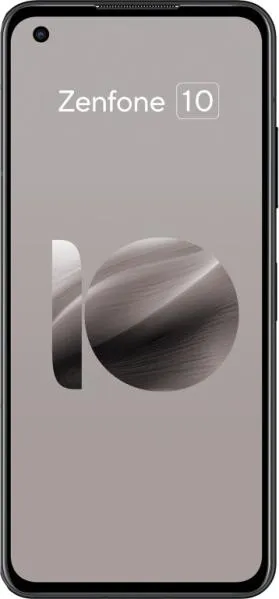
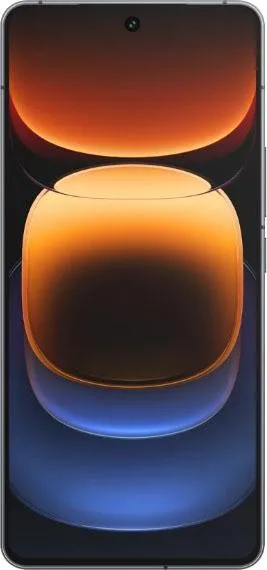
| Feature | Asus Zenfone 10 | vivo iQOO 12 | Practical Impact |
|---|---|---|---|
| Design | |||
| Dimensions (mm) | 146.5 x 68.1 x 9.4 | 163.2 x 75.9 x 8.1 | Zenfone 10 is significantly smaller and more pocketable. iQOO 12 is larger, potentially less comfortable for one-handed use. |
| Weight (g) | 172 | 198.5 | Zenfone 10 is noticeably lighter, reducing hand fatigue during extended use. |
| Display | |||
| Size (inches) | 5.92 | 6.78 | iQOO 12 offers a larger display for more immersive content consumption. Zenfone 10 provides a more compact, one-hand-friendly experience. |
| Resolution | 1080 x 2400 | 1260 x 2800 | Both offer sharp displays, but iQOO 12 has a slightly higher resolution and pixel density. |
| Type | Super AMOLED, 144Hz | LTPO AMOLED, 144Hz | Both offer smooth scrolling and animations thanks to the 144Hz refresh rate. iQOO 12's LTPO panel allows for dynamic refresh rate adjustment, potentially saving battery. |
| Peak Brightness | 1100 nits | 3000 nits | iQOO 12's significantly higher peak brightness ensures better visibility in direct sunlight. |
| Performance | |||
| Chipset | Snapdragon 8 Gen 2 | Snapdragon 8 Gen 3 | iQOO 12 boasts the newer, more powerful Snapdragon 8 Gen 3, resulting in faster performance and better efficiency. |
| RAM | 8GB/16GB | 12GB/16GB | iQOO 12 offers higher RAM configurations for improved multitasking and smoother performance with demanding applications. |
| Camera | |||
| Rear Cameras | 50MP Main, 13MP Wide+Macro | 50MP Main, 50MP Wide+Macro, 64MP Telephoto | iQOO 12 features a triple camera setup with a dedicated telephoto lens for optical zoom, offering greater versatility. Zenfone 10 has a dual camera setup focusing on quality over quantity. |
| Video Recording | Up to 8K@24fps | Up to 8K@30fps | Both can record high-resolution video, but iQOO 12 offers slightly better frame rate options at 8K. |
| Battery | |||
| Capacity (mAh) | 4300 | 5000 | iQOO 12 packs a significantly larger battery, potentially translating to longer battery life. |
2. Key Differences Analysis
Asus Zenfone 10 Advantages:
- Compact Size: Significantly smaller and lighter, ideal for one-handed use and portability.
- Potentially Lower Price: Depending on configuration, could be more affordable.
vivo iQOO 12 Advantages:
- Superior Performance: Snapdragon 8 Gen 3 provides a noticeable performance boost.
- Larger Display: More immersive experience for media consumption and gaming.
- More Versatile Camera System: Telephoto lens enables optical zoom and broader photographic capabilities.
- Larger Battery: Potentially significantly longer battery life.
- Brighter Display: Much better outdoor visibility.
Trade-offs:
- Size vs. Performance/Battery: Zenfone 10 prioritizes compactness at the expense of screen size, battery capacity, and raw performance.
3. User Profiles & Recommendations
Asus Zenfone 10:
- Ideal User: Users who prioritize one-handed usability, portability, and compact design. Users seeking a powerful phone in a smaller form factor.
- Use Cases: Everyday tasks, web browsing, social media, light gaming, photography in good lighting conditions.
vivo iQOO 12:
- Ideal User: Users who prioritize performance, large screen size, long battery life, and camera versatility. Users who consume lots of media, play demanding games, or require excellent photography capabilities.
- Use Cases: Demanding gaming, media consumption, multitasking, photography enthusiasts, all-day usage without recharging.
4. Decision Framework
Key Questions for Buyers:
- How important is one-handed usability and portability?
- What is your budget and desired performance level?
- What are your primary use cases for a smartphone (e.g., gaming, photography, media consumption)?
Scenario-Based Recommendations:
- Prioritize Compactness and Affordability: Zenfone 10
- Prioritize Performance, Battery, and Camera: iQOO 12
My Choice: vivo iQOO 12
While I appreciate the compact form factor of the Zenfone 10, the vivo iQOO 12 offers a more compelling package overall. The Snapdragon 8 Gen 3 provides a significant performance advantage, future-proofing the device. The larger battery, brighter display, and more versatile camera system with a dedicated telephoto lens cater to my needs for productivity, entertainment, and photography. While the larger size might be a minor drawback, the benefits in performance, battery life, and camera capabilities outweigh the size difference for me. The price difference isn't significant enough to sway me towards the Zenfone 10 given the substantial upgrades offered by the iQOO 12.
