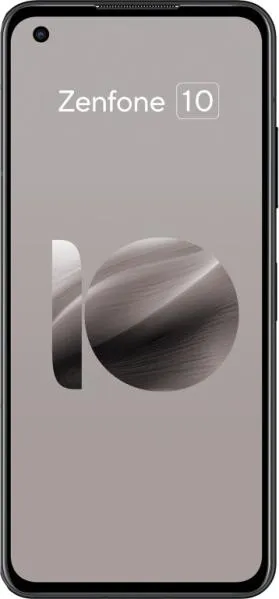
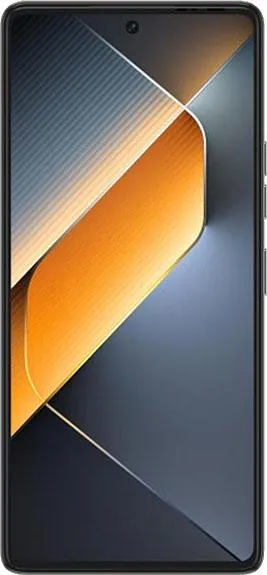
1. Specifications Comparison
| Feature | Asus Zenfone 10 | Tecno Pova 6 Pro | Practical Impact |
|---|---|---|---|
| Design | |||
| Dimensions (mm) | 146.5 x 68.1 x 9.4 | 165.5 x 76.1 x 7.9 | Zenfone 10 is significantly smaller and more pocketable. Pova 6 Pro is larger, potentially less comfortable for one-handed use. |
| Weight (g) | 172 | 198 | Zenfone 10 is noticeably lighter, reducing hand fatigue during extended use. |
| Display | |||
| Size (inches) | 5.92 | 6.78 | Pova 6 Pro offers a much larger screen for immersive media consumption and multitasking. Zenfone 10 is better for one-handed use. |
| Resolution (px) | 1080 x 2400 | 1080 x 2460 | Similar sharpness due to similar pixel density. |
| Refresh Rate (Hz) | 144 | 120 | Zenfone 10's higher refresh rate results in smoother animations and scrolling, especially noticeable in gaming and fast-paced UI interactions. |
| Display Type | Super AMOLED | AMOLED | Both offer vibrant colors and deep blacks. Zenfone 10's Super AMOLED might provide slightly better outdoor visibility due to higher peak brightness (though not explicitly stated for Zenfone 10's typical brightness). Pova 6 Pro specifies a higher peak brightness. |
| Performance | |||
| Chipset | Snapdragon 8 Gen 2 | Dimensity 6080 | Snapdragon 8 Gen 2 is significantly more powerful, offering much better performance in demanding tasks like gaming and video editing. |
| CPU | Octa-core (1x3.2 GHz Cortex-X3 & 2x2.8 GHz Cortex-A715 & 2x2.8 GHz Cortex-A710 & 3x2.0 GHz Cortex-A510) | Octa-core (2x2.4 GHz Cortex-A76 & 6x2.0 GHz Cortex-A55) | Zenfone 10's CPU architecture is superior, leading to faster processing speeds and better multitasking. |
| GPU | Adreno 740 | Mali-G57 MC2 | Adreno 740 provides a substantial advantage in graphics performance, crucial for gaming and graphic-intensive applications. |
| RAM | 8GB/16GB | 12GB | While Pova 6 Pro offers more RAM in the provided configuration, the Zenfone 10's superior processor and optimization could still result in better real-world performance. |
| Camera | |||
| Main Camera (MP) | 50 (Sony IMX766) | 108 | Pova 6 Pro boasts higher megapixel count, but sensor quality and processing are crucial for image quality. Zenfone 10 utilizes a known high-quality Sony sensor. We cannot definitively conclude which camera is better without real-world image comparisons. |
| Video Recording | Up to 8K@24fps | Up to 1440p@30fps | Zenfone 10 offers significantly better video recording capabilities with higher resolution and frame rates. |
| Battery | |||
| Capacity (mAh) | 4300 | 6000 | Pova 6 Pro has a much larger battery, likely translating to significantly longer battery life. |
2. Key Differences Analysis
Asus Zenfone 10 Advantages:
- Significantly more powerful: The Snapdragon 8 Gen 2 provides a major performance advantage for demanding tasks and gaming.
- Smoother Display: 144Hz refresh rate offers a more fluid user experience.
- More Compact: Smaller size and lighter weight make it ideal for one-handed use and portability.
- Superior Video Recording: 8K recording and better stabilization.
- High-Quality Main Camera Sensor: Utilizes the well-regarded Sony IMX766.
Tecno Pova 6 Pro Advantages:
- Much Longer Battery Life: The 6000mAh battery will likely last considerably longer on a single charge.
- Larger Display: Offers a more immersive experience for media consumption and multitasking.
- Lower Price: Based on the provided pricing, the Pova 6 Pro is more affordable.
3. User Profiles & Recommendations
Asus Zenfone 10: Users who prioritize performance, a smooth display, a compact form factor, and high-quality video recording. Ideal for mobile gamers, power users, and those who prefer one-handed usability.
Tecno Pova 6 Pro: Users who prioritize battery life, a large display, and affordability. Suitable for media consumption, casual gaming, and general daily use.
4. Decision Framework
Key Questions for Buyers:
- What is your budget? The Pova 6 Pro is more affordable.
- What is your primary use case? Gaming and demanding tasks favor the Zenfone 10, while media consumption and long battery life favor the Pova 6 Pro.
- Do you prioritize size and portability? The Zenfone 10 is significantly smaller and lighter.
My Choice: Asus Zenfone 10
While the Tecno Pova 6 Pro offers a compelling combination of a large battery and affordable price, the Asus Zenfone 10's superior performance, smoother display, compact design, and higher quality camera sensor make it the better choice for me. I value a fluid user experience and the ability to run demanding applications without lag. The Zenfone 10's compact size is also a major plus for portability and one-handed use. I'm willing to sacrifice some battery life for the significant gains in performance and overall user experience. The inclusion of a known high-quality main camera sensor (Sony IMX766) in the Zenfone 10 also heavily influences my decision, as consistent image quality is important to me.
