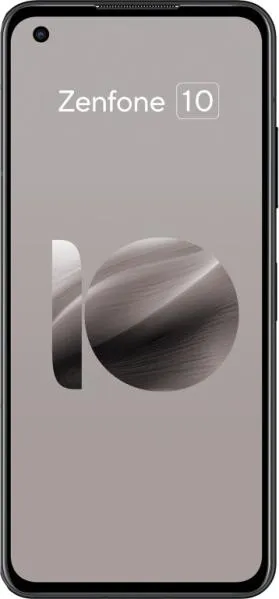
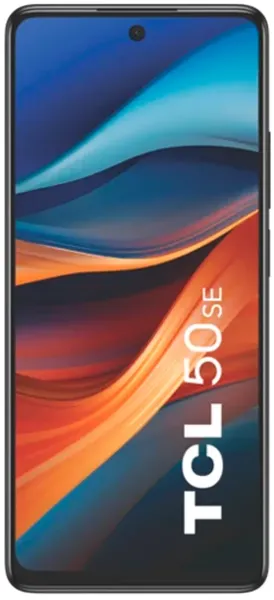
1. Specifications Comparison
| Feature | Asus Zenfone 10 | TCL 50 SE | Practical Impact |
|---|---|---|---|
| Design | |||
| Dimensions (mm) | 146.5 x 68.1 x 9.4 | 168.2 x 75.5 x 8.1 | Zenfone 10 is significantly smaller and more pocketable. TCL 50 SE is larger, potentially less comfortable for one-handed use. |
| Weight (g) | 172 | 195 | Zenfone 10 is noticeably lighter, reducing hand fatigue during extended use. |
| Display | |||
| Size (inches) | 5.92 | 6.78 | TCL 50 SE offers a much larger screen for media consumption and multitasking, but may be less suitable for one-handed operation. |
| Resolution (px) | 1080 x 2400 | 1080 x 2460 | Similar resolutions, but Zenfone 10's smaller screen results in a sharper image (445 ppi vs 396 ppi). Text and images will appear crisper on the Zenfone 10. |
| Type | Super AMOLED, 144Hz | IPS LCD, 90Hz | Zenfone 10's AMOLED provides deeper blacks, more vibrant colors, and higher peak brightness. The 144Hz refresh rate offers smoother animations and scrolling compared to the TCL's 90Hz LCD. |
| Performance | |||
| Chipset | Snapdragon 8 Gen 2 | Helio G88 | Zenfone 10 boasts a flagship-level processor, offering significantly faster performance in demanding tasks like gaming and multitasking. Helio G88 is a budget-oriented chipset with significantly lower performance. |
| RAM (GB) | 8/16 | 6 | More RAM in the Zenfone 10 enables smoother multitasking and better performance with demanding apps. |
| Camera | |||
| Main Camera (MP) | 50 (Sony IMX766) | 50 | While both have 50MP sensors, the Zenfone 10 utilizes a higher-quality Sony IMX766 sensor, likely resulting in better image quality, especially in low light. Information about the TCL 50 SE's sensor is lacking. |
| Video | Up to 8K@24fps | Up to 1080p@30fps | Zenfone 10 offers superior video recording capabilities with higher resolution and frame rate options. |
| Battery | |||
| Capacity (mAh) | 4300 | 5010 | TCL 50 SE has a larger battery capacity, potentially offering longer battery life. However, the Zenfone 10's more efficient processor could offset this difference. |
2. Key Differences Analysis
Asus Zenfone 10 Advantages:
- Significantly faster performance: Snapdragon 8 Gen 2 provides a substantial performance advantage for demanding tasks.
- Superior display: AMOLED with 144Hz refresh rate offers better color accuracy, contrast, and smoothness.
- Higher quality camera: The Sony IMX766 sensor and superior video recording capabilities provide a better imaging experience.
- More compact and portable: Smaller size and lighter weight make it ideal for one-handed use.
TCL 50 SE Advantages:
- Larger battery: Potentially longer battery life for extended usage.
- Larger display: More screen real estate for media consumption and multitasking.
- Lower price: Offers a more budget-friendly option.
3. User Profiles & Recommendations
Asus Zenfone 10: Ideal for users who prioritize performance, a premium display, a compact form factor, and a high-quality camera. Suitable for power users, mobile gamers, and those who prefer a pocketable device.
TCL 50 SE: Suitable for users on a tight budget who prioritize a large screen and long battery life. Best for casual users primarily focused on basic tasks like browsing, social media, and media consumption. Less demanding games should be playable, but performance will be significantly lower than the Zenfone 10.
4. Decision Framework
Key Questions for Buyers:
- What is your budget? The Zenfone 10 is significantly more expensive.
- What are your primary use cases? Demanding tasks like gaming and professional photography/videography benefit from the Zenfone 10's power. Casual usage might favor the TCL 50 SE's larger screen and battery.
- Do you prioritize portability and one-handed use? The Zenfone 10's compact size excels in this area.
My Choice: Asus Zenfone 10
While the TCL 50 SE offers a larger battery and display at a lower price, the Asus Zenfone 10 is the clear winner for me. The superior performance of the Snapdragon 8 Gen 2, combined with the beautiful AMOLED display and high refresh rate, provides a dramatically better user experience. The compact form factor is a major plus for me, as I value portability and one-handed usability. While the price is higher, the significant performance and quality differences justify the investment for my needs. The TCL 50 SE feels like a device built on compromises, whereas the Zenfone 10 offers a more well-rounded and premium experience.
