1. Specifications Comparison
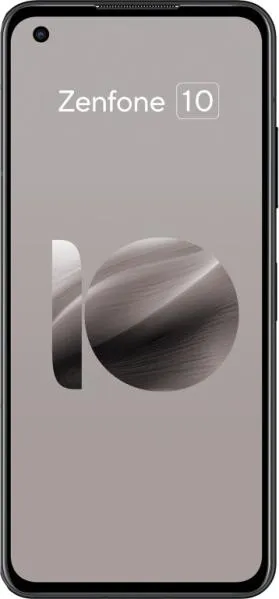
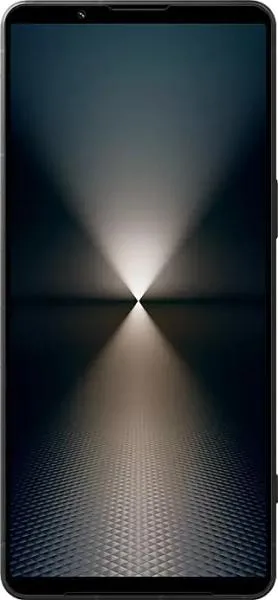
| Feature | Asus Zenfone 10 | Sony Xperia 1 VI | Practical Impact |
|---|---|---|---|
| Design | |||
| Dimensions (mm) | 146.5 x 68.1 x 9.4 | 162 x 74 x 8.2 | Zenfone 10 is significantly smaller and more pocketable. Xperia 1 VI is taller and wider. |
| Weight (g) | 172 | 192 | Zenfone 10 is noticeably lighter, reducing hand fatigue during extended use. |
| Display | |||
| Size (inches) | 5.92 | 6.5 | Xperia 1 VI offers a larger screen for media consumption and multitasking, while Zenfone 10 prioritizes one-handed usability. |
| Resolution (px) | 1080 x 2400 | 1080 x 2340 | Similar sharpness despite size difference due to Zenfone 10's slightly higher pixel density. |
| Refresh Rate (Hz) | 144 | 120 | Zenfone 10's higher refresh rate results in smoother animations and scrolling. |
| Display Type | Super AMOLED | LTPO OLED | Both offer excellent color and contrast. LTPO on Xperia 1 VI allows for dynamic refresh rate adjustment, potentially saving battery. |
| Performance | |||
| Chipset | Snapdragon 8 Gen 2 | Snapdragon 8 Gen 3 | Xperia 1 VI has a newer, more powerful processor, likely resulting in faster performance and better efficiency in demanding tasks. |
| RAM (GB) | 8/16 | 12 | Xperia 1 VI offers more RAM, enabling better multitasking and smoother performance with numerous apps open. |
| Camera | |||
| Main Camera (MP) | 50 (Sony IMX766) | 48 (Sony IMX888) | Both utilize high-quality Sony sensors. Practical image quality differences would need real-world comparisons. Xperia has a larger sensor size (1/1.4" vs 1/1.56"). |
| Zoom | Digital | Optical (7.1x) | Xperia 1 VI offers superior zoom capabilities thanks to its dedicated telephoto lens. Zenfone 10 relies on digital zoom, which often results in lower quality. |
| Ultrawide (MP) | 13 | 12.2 | Similar ultrawide capabilities, although sensor specifications suggest potential differences in low-light performance and dynamic range needing further review. |
| Battery | |||
| Capacity (mAh) | 4300 | 5000 | Xperia 1 VI boasts a significantly larger battery, likely translating to longer battery life. |
2. Key Differences Analysis
Asus Zenfone 10 Advantages:
- Compactness: Significantly smaller and lighter, ideal for one-handed use.
- Higher Refresh Rate: Smoother scrolling and animations.
- Potentially Lower Price: Depending on configuration, could be more affordable.
Sony Xperia 1 VI Advantages:
- More Powerful Processor: Better performance for demanding tasks and gaming.
- Larger Battery: Longer battery life.
- Superior Zoom Capabilities: Dedicated telephoto lens for high-quality zoomed shots.
- More RAM: Improved multitasking.
- USB 3.2 with Video Output: Faster data transfer and direct connection to external displays.
Trade-offs:
- Size and Weight: Zenfone 10 sacrifices screen size and battery capacity for compactness.
- Performance: Zenfone 10's older processor might show limitations in demanding tasks compared to Xperia 1 VI.
- Camera Zoom: Zenfone 10 lacks optical zoom, limiting its versatility.
3. User Profiles & Recommendations
Asus Zenfone 10: Users who prioritize one-handed usability, portability, and a smooth display experience. Ideal for those who value compact size over larger screens and battery life.
Sony Xperia 1 VI: Users who prioritize performance, battery life, camera versatility (especially zoom), and a larger display for media consumption and multitasking. Suitable for power users, photographers, and videographers.
4. Decision Framework
Key Questions for Buyers:
- How important is one-handed usability and portability?
- What is your budget and desired performance level?
- Do you prioritize camera versatility, especially zoom capabilities?
Scenario-Based Recommendations:
- For a compact, powerful phone with a smooth display: Asus Zenfone 10
- For a high-performance phone with a great camera and long battery life: Sony Xperia 1 VI
My Choice: Sony Xperia 1 VI
While I appreciate the Zenfone 10's compact form factor, the Sony Xperia 1 VI's superior performance, larger battery, optical zoom, and more RAM are more compelling for my needs. I prioritize having a future-proof device with excellent multitasking capabilities and a versatile camera system. The USB 3.2 with video output is a bonus for productivity. While the Xperia 1 VI is larger and more expensive, the added benefits outweigh the trade-offs for me. The slightly lower refresh rate is less of a concern than the overall performance and feature set.
