1. Specifications Comparison
| Feature | Category | Asus Zenfone 10 | Sony Xperia 1 V | Practical Impact |
|---|---|---|---|---|
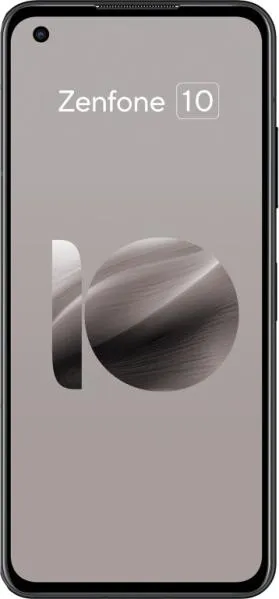
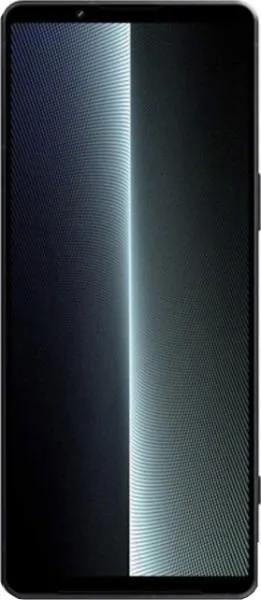
| Dimensions (mm) | Design | 146.5 x 68.1 x 9.4 | 165 x 71 x 8.3 | Zenfone 10 is significantly smaller and more pocketable; Xperia 1 V is taller and wider. |
| Weight (g) | Design | 172 | 187 | Zenfone 10 is noticeably lighter, reducing hand fatigue during extended use. |
| Display Size (inches) | Display | 5.92 | 6.5 | Xperia 1 V offers a larger screen for more immersive media consumption and multitasking, but compromises one-handed usability |
| Display Resolution | Display | 1080 x 2400 | 1644 x 3840 | Xperia 1 V boasts a much sharper display with higher pixel density (643 ppi vs 445 ppi), resulting in crisper text and images. |
| Display Type | Display | Super AMOLED, 144Hz | OLED, 120Hz | Both offer vibrant colors and smooth scrolling. Zenfone 10's 144Hz may provide slightly smoother animations in supported games, while Xperia 1 V's "1B colors" suggests a wider color gamut for professional content creation. |
| Chipset | Performance | Snapdragon 8 Gen 2 | Snapdragon 8 Gen 2 | Both phones have the same powerful processor, ensuring top-tier performance. |
| RAM (GB) | Performance | 8/16 | 12 | Xperia 1 V's larger RAM allows for more apps to run in the background without reloading, improving multitasking. |
| Battery Capacity (mAh) | Battery | 4300 | 5000 | Xperia 1 V has significantly larger battery capacity, likely translating to longer battery life. |
| Main Camera (MP) | Camera | 50 (Sony IMX766) | 48 (Sony IMX888) | While resolution is similar, different sensor models suggest variations in image quality, low-light performance, and dynamic range. Direct comparison requires real-world camera tests. |
| Camera Features | Camera | 6-axis gimbal stabilization | 5-axis gyro-EIS, Zeiss optics, 3.5x-5.2x Optical Zoom | Zenfone 10 prioritizes video stabilization with its gimbal, while Xperia 1 V offers superior zoom capabilities and Zeiss lens enhancements for potentially better image quality. |
| Price Range | Value | Medium | High | Zenfone 10 offers flagship-level performance at a more affordable price point. |
| USB Version | Connectivity | USB Type-C 2.0 | USB Type-C 3.2 | Xperia 1 V's USB 3.2 offers significantly faster data transfer speeds compared to the Zenfone 10's USB 2.0. |
2. Key Differences Analysis
Asus Zenfone 10 Advantages:
- Compactness and Ergonomics: Significantly smaller and lighter, making it ideal for one-handed use and portability.
- Higher Refresh Rate Display: Potentially smoother experience for gaming and fast-paced content.
- Gimbal Stabilization: Superior video stabilization for smoother footage, especially in motion.
- Lower Price: Offers flagship performance at a mid-range price.
Sony Xperia 1 V Advantages:
- Larger, Sharper Display: More immersive experience for media consumption and productivity. Wider color gamut potentially beneficial for professionals.
- Larger Battery: Potentially longer battery life.
- More RAM: Enhanced multitasking capabilities.
- Superior Zoom and Optics: More versatile camera system with better zoom capabilities and potentially better image quality due to Zeiss optics.
- Faster Data Transfer: Significantly faster data transfer speeds with USB 3.2.
Trade-offs:
- Zenfone 10: Smaller battery, less RAM, lower resolution display.
- Xperia 1 V: Larger size and weight, significantly higher price.
3. User Profiles & Recommendations
Asus Zenfone 10: Users who prioritize compactness, one-handed usability, a smooth display, excellent video stabilization, and value for money. Ideal for users who consume content on the go, value portability, and enjoy mobile gaming.
Sony Xperia 1 V: Users who prioritize a large, high-resolution display, long battery life, extensive multitasking, advanced camera features (especially zoom), and are willing to pay a premium. Ideal for content creators, professionals, and mobile photography enthusiasts.
4. Decision Framework
Key Questions for Buyers:
- What is your budget? The Zenfone 10 offers excellent value, while the Xperia 1 V commands a significant premium.
- How important is one-handed usability and portability? The Zenfone 10 excels in this area.
- What are your primary use cases? (e.g., media consumption, gaming, photography, productivity)
Scenario-Based Recommendations:
- Limited Budget, On-the-Go User: Zenfone 10
- Professional Photographer/Videographer: Xperia 1 V
- Power User who values Multitasking and Battery Life: Xperia 1 V
- Gamer who prioritizes Portability and Smooth Display: Zenfone 10
My Choice: Asus Zenfone 10
While the Sony Xperia 1 V boasts impressive specifications, the Asus Zenfone 10 aligns better with my personal priorities. I value compactness and one-handed usability highly, and the Zenfone 10 delivers in this area without compromising on performance. The 144Hz display and gimbal stabilization are also appealing features for my usage patterns. The lower price point makes it a more compelling value proposition for me, considering the diminishing returns of some of the Xperia 1 V's premium features in my daily usage. I am willing to trade a slightly smaller battery and lower resolution display for the significant gains in portability and affordability.
