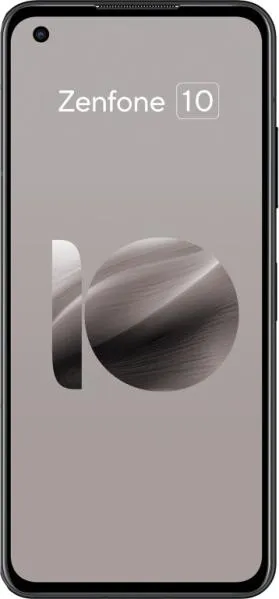
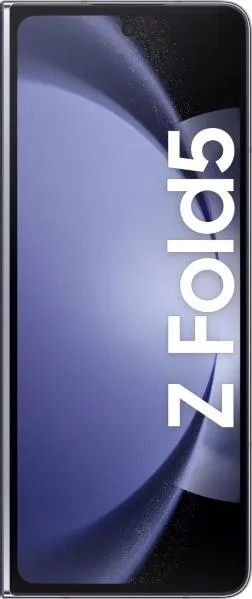
1. Specifications Comparison
| Feature | Asus Zenfone 10 | Samsung Galaxy Z Fold5 | Practical Impact |
|---|---|---|---|
| Design | |||
| Dimensions (mm) | 146.5 x 68.1 x 9.4 | 154.9 x 129.9 x 6.1 (folded) | Zenfone 10 is significantly smaller and more pocketable; Fold5 offers a larger screen real estate but is bulky. |
| Weight (g) | 172 | 253 | Zenfone 10 is much lighter and easier to hold for extended periods. |
| Foldable | No | Yes | Fold5's folding screen provides tablet-like functionality and portability. |
| Display | |||
| Size (inches) | 5.92 | 7.6 (main), 6.2 (cover) | Fold5 offers a much larger main display for immersive experiences; Zenfone 10's display is compact and one-handed friendly. |
| Resolution (px) | 1080 x 2400 | 2176 x 1812 (main), 2316 x 904 (cover) | Fold5's main display is sharper and more detailed; Zenfone 10 has a higher pixel density for its size. |
| Refresh Rate (Hz) | 144 | 120 (main), 120 (cover) | Zenfone 10 offers smoother scrolling and animations but at a smaller size. |
| Display Type | Super AMOLED | Dynamic AMOLED 2X | Both offer vibrant colors and deep blacks; Fold5's display might be slightly brighter. |
| Performance | |||
| Chipset | Snapdragon 8 Gen 2 | Snapdragon 8 Gen 2 for Galaxy | Both are top-tier chipsets; Fold5's might be slightly optimized for better performance. |
| CPU | Octa-core (up to 3.2 GHz) | Octa-core (up to 3.36 GHz) | Negligible real-world performance difference in most tasks. |
| RAM (GB) | 8/16 | 12 | Fold5 offers more RAM for better multitasking and app switching. |
| Camera | |||
| Rear Camera | 50MP (main), 13MP (ultrawide) | 50MP (main), 12MP (ultrawide), 10MP (telephoto) | Fold5 offers more versatile camera setup with telephoto lens for optical zoom. |
| Video Recording | Up to 8K@24fps | Up to 8K@30fps | Both offer high-resolution video recording; Fold5 can record 8K at a higher frame rate. |
| Battery | |||
| Capacity (mAh) | 4300 | 4400 | Fold5 has a slightly larger battery, but its larger display consumes more power, so battery life will depend heavily on usage. |
2. Key Differences Analysis
Asus Zenfone 10 Advantages:
- Compactness and One-handed Usability: Significantly smaller and lighter, ideal for one-handed use.
- Higher Refresh Rate Display: Smoother scrolling and animations.
- Lower Price: Generally more affordable than the Fold5.
Samsung Galaxy Z Fold5 Advantages:
- Foldable Display: Offers a large screen experience in a pocketable device.
- More Versatile Camera System: Telephoto lens enables optical zoom and more diverse photography options.
- More RAM: Enhanced multitasking capabilities.
- Slightly Larger Battery: Potentially longer battery life depending on usage.
Trade-offs:
- Zenfone 10: Smaller display may limit productivity and media consumption.
- Fold5: Significantly more expensive, bulkier, and heavier; crease in the folding display might be bothersome for some.
3. User Profiles & Recommendations
Asus Zenfone 10: Ideal for users who prioritize compactness, one-handed usability, and a smooth display experience. Excellent for users who value portability and ease of use over a larger screen. Strong price-to-performance ratio.
Samsung Galaxy Z Fold5: Ideal for users who want a large screen for productivity, multitasking, media consumption, and gaming on the go. Suitable for users who embrace cutting-edge technology and are willing to pay a premium for the foldable form factor.
4. Decision Framework
Key Questions:
- How important is portability and one-handed use?
- Do you need a large screen for productivity or media consumption?
- What is your budget?
Scenario-Based Recommendations:
- Prioritize portability and affordability: Zenfone 10
- Need a large screen for productivity and multitasking: Fold5
- Want the latest technology and a unique form factor: Fold5
- Value a smooth display experience for gaming: Zenfone 10 (due to 144Hz refresh rate)
My Choice: Asus Zenfone 10
While the Fold5 is undeniably innovative, the Zenfone 10 better suits my personal needs. I prioritize one-handed usability, pocketability, and a smooth display experience. The 144Hz refresh rate is a major draw for me, as I enjoy mobile gaming and appreciate fluid animations. The Zenfone 10 delivers flagship performance in a compact form factor at a more reasonable price point. The Fold5's bulk and crease, while acceptable to some, would be a compromise I'm not willing to make. The Zenfone 10 strikes the right balance between performance, features, and usability for my everyday needs. The compact form factor and significantly lower price make it the more compelling choice for me.
