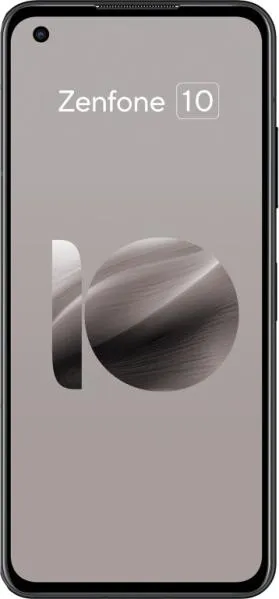

1. Specifications Comparison
| Feature | Asus Zenfone 10 | Samsung Galaxy Tab S9 FE+ | Practical Impact |
|---|---|---|---|
| Design | |||
| Dimensions (mm) | 146.5 x 68.1 x 9.4 | 285.4 x 185.4 x 6.5 | Zenfone 10 is significantly smaller and more pocketable; Tab S9 FE+ is a large tablet. |
| Weight (g) | 172 | 627 | Zenfone 10 is much lighter and easier to hold for extended periods. Tab S9 FE+ is significantly heavier due to its larger size. |
| Build | Missing | Missing | Build quality and materials cannot be compared without further information. |
| Display | |||
| Size (inches) | 5.92 | 12.4 | Zenfone 10 offers a one-handed usable display; Tab S9 FE+ provides a much larger screen for media consumption and multitasking. |
| Resolution (px) | 1080 x 2400 | 1600 x 2560 | Similar pixel density despite size difference. Zenfone 10 might offer slightly sharper text due to smaller screen size. Tab S9 FE+ offers more screen real estate. |
| Type | Super AMOLED, 144Hz | IPS LCD, 90Hz | Zenfone 10: vibrant colors, deeper blacks, smoother scrolling. Tab S9 FE+: wider viewing angles, potentially better color accuracy in bright conditions. |
| Performance | |||
| Chipset | Snapdragon 8 Gen 2 | Exynos 1380 | Zenfone 10 boasts significantly higher performance for demanding tasks and gaming. |
| CPU | Octa-core (up to 3.2 GHz) | Octa-core (up to 2.4 GHz) | Zenfone 10 offers a more powerful CPU with higher clock speeds, leading to faster app loading and smoother multitasking. |
| GPU | Adreno 740 | Mali-G68 MP5 | Zenfone 10 will likely offer superior gaming performance and graphics rendering. |
| RAM | 8GB | 8/12GB | Both offer sufficient RAM for most tasks. The 12GB option on the Tab S9 FE+ benefits heavy multitasking. |
| Camera | |||
| Rear Camera | 50MP (Main), 13MP (Wide/Macro) | 12MP (Main), 8MP (Wide) | Zenfone 10 likely offers better image quality and low-light performance due to higher resolution main sensor and likely better sensor technology (Sony IMX766 vs. unknown on Tab S9 FE+). |
| Front Camera | 32MP | 8MP | Zenfone 10 offers significantly higher resolution for selfies. |
| Video | Up to 8K@24fps | Up to 4K@30fps | Zenfone 10 allows for higher resolution video recording. |
| Battery | |||
| Capacity (mAh) | 4300 | 10090 | Tab S9 FE+ has a significantly larger battery capacity, expected to last much longer on a single charge. This is typical for larger tablets. |
| Charging Speed | Missing | Missing | Charging speeds cannot be compared without further information. |
2. Key Differences Analysis
Zenfone 10 Advantages:
- Significantly more powerful: Snapdragon 8 Gen 2 offers a substantial performance advantage for gaming, demanding applications, and overall responsiveness.
- Higher quality display: AMOLED with 144Hz provides vibrant colors, deeper blacks, and smoother scrolling.
- Compact and portable: Much smaller and lighter, easier for one-handed use and carrying.
- Potentially superior camera: Higher resolution sensors and advanced features like 6-axis gimbal stabilization suggest better image and video quality.
Tab S9 FE+ Advantages:
- Much larger display: Better for media consumption, multitasking, and creative tasks.
- Substantially longer battery life: The massive 10090mAh battery will last considerably longer on a single charge.
3. User Profiles & Recommendations
Zenfone 10: Ideal for users who prioritize performance, portability, a great display, and a good camera in a compact phone. Suitable for power users, gamers, and those who prefer one-handed operation.
Tab S9 FE+: Best suited for users who need a large screen for media consumption, productivity, drawing/note-taking, and multitasking. Ideal for students, artists, and those who consume a lot of video content.
4. Decision Framework
Key Questions for Buyers:
- What is your primary use for the device? (Content consumption, gaming, communication, productivity)
- How important is portability and one-handed use?
- What is your budget and how do you prioritize performance, battery life, and display quality?
My Choice: Asus Zenfone 10
While the Tab S9 FE+ offers a tempting large screen and long battery life, I would choose the Asus Zenfone 10. My priorities lie in performance, a high-quality display, and portability. The Snapdragon 8 Gen 2, coupled with the 144Hz AMOLED screen, promises a fluid and responsive user experience. The compact form factor is a major plus for daily use. Although battery life might be shorter, the trade-off for significantly increased performance and pocketability is worth it for me. The potential for a superior camera experience further solidifies my choice. The Tab S9 FE+ excels as a media consumption and productivity device, but the Zenfone 10 better fits my needs as a primary smartphone that can handle demanding tasks without compromising portability.
