1. Specifications Comparison
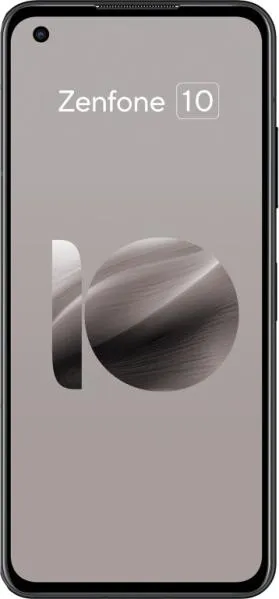
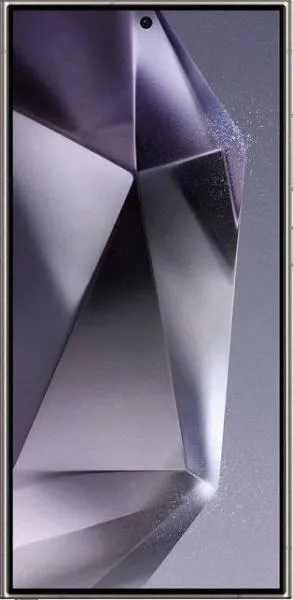
| Feature | Asus Zenfone 10 | Samsung Galaxy S24 Ultra | Practical Impact |
|---|---|---|---|
| Design | |||
| Dimensions (mm) | 146.5 x 68.1 x 9.4 | 162.3 x 79 x 8.6 | Zenfone 10 is significantly smaller and more pocketable; S24 Ultra offers a larger screen but is less one-hand friendly. |
| Weight (g) | 172 | 232 | Zenfone 10 is noticeably lighter, reducing hand fatigue during extended use. |
| Display | |||
| Size (inches) | 5.92 | 6.8 | S24 Ultra provides more screen real estate for media consumption and multitasking; Zenfone 10 offers better one-handed usability. |
| Resolution (px) | 1080 x 2400 | 1440 x 3120 | S24 Ultra has a sharper display with higher pixel density, resulting in crisper text and images. |
| Refresh Rate (Hz) | 144 | 120 | Zenfone 10's higher refresh rate delivers smoother animations and scrolling; S24 Ultra's 120Hz is still very smooth but not as fluid. |
| Peak Brightness (nits) | 1100 | 2600 | S24 Ultra offers significantly better outdoor visibility in direct sunlight. |
| Performance | |||
| Chipset | Snapdragon 8 Gen 2 | Snapdragon 8 Gen 3 | S24 Ultra boasts a newer, slightly more powerful chipset, potentially offering improved performance in demanding tasks and gaming. |
| RAM (GB) | 8/16 | 12 | S24 Ultra's larger RAM enables better multitasking and app switching, minimizing performance slowdowns. |
| Camera | |||
| Main Camera (MP) | 50 | 200 | S24 Ultra's 200MP sensor potentially offers higher resolution and detail; real-world image quality depends on processing. |
| Zoom | Digital | Optical 3x/5x, Digital 100x | S24 Ultra offers superior zoom capabilities with dedicated telephoto lenses, enabling clearer zoomed-in shots. |
| Battery | |||
| Capacity (mAh) | 4300 | 5000 | S24 Ultra's larger battery likely provides longer usage time on a single charge. |
2. Key Differences Analysis
Asus Zenfone 10 Advantages:
- Compactness and One-Handed Usability: Significantly smaller and lighter, making it ideal for users who prioritize portability and single-hand operation.
- Higher Refresh Rate Display: Smoother scrolling and animations, noticeable in everyday use and gaming.
- Lower Price: Generally more affordable than the S24 Ultra.
Samsung Galaxy S24 Ultra Advantages:
- Larger, Sharper Display: More immersive media consumption and better multitasking experience.
- Superior Camera System: Higher resolution main sensor, dedicated telephoto lenses for optical zoom, and potentially better overall image quality.
- Larger Battery: Longer battery life for extended usage.
- More Powerful Chipset and RAM: Better performance for demanding tasks and future-proofing.
- Brighter Display: Excellent outdoor visibility.
- Faster USB Standard: USB 3.2 offers significantly faster data transfer speeds than USB 2.0.
3. User Profiles & Recommendations
Asus Zenfone 10: Ideal for users who prioritize a compact and lightweight phone with a smooth display, without needing the most advanced camera or longest battery life. Suitable for users who value one-handed operation and portability.
Samsung Galaxy S24 Ultra: Best suited for users who demand the best possible performance, camera system, and battery life. Ideal for power users, content creators, and those who consume a lot of media on their phones.
4. Decision Framework
Key Questions for Buyers:
- What size phone do you prefer? Prioritize compactness and one-handed use? Choose Zenfone 10. Need a large screen for media and multitasking? Choose S24 Ultra.
- How important is camera quality? If you need the best zoom and potentially higher resolution, the S24 Ultra is the clear winner.
- What's your budget? The Zenfone 10 offers excellent value for its price, while the S24 Ultra commands a premium.
My Choice: Samsung Galaxy S24 Ultra
While I appreciate the Zenfone 10's compact form factor, the S24 Ultra's superior camera system, larger and brighter display, faster USB standard, increased performance, and longer battery life are more compelling to me. I often use my phone for photography, video recording, and multitasking, so these features are worth the higher price and larger size. The significantly brighter display is also crucial for outdoor use. While the Zenfone 10 offers a smoother refresh rate, the difference between 120Hz and 144Hz is less noticeable than the other advantages the S24 Ultra provides.
