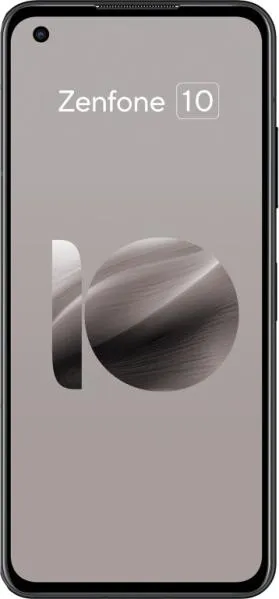

1. Specifications Comparison
| Feature | Asus Zenfone 10 | Samsung Galaxy S24+ | Practical Impact |
|---|---|---|---|
| Design | |||
| Dimensions (mm) | 146.5 x 68.1 x 9.4 | 158.5 x 75.9 x 7.7 | Zenfone 10 is significantly smaller and more pocketable; S24+ offers a larger screen estate. |
| Weight (g) | 172 | 196 | Zenfone 10 is noticeably lighter for one-handed use. |
| Display | |||
| Size (inches) | 5.92 | 6.7 | Zenfone 10 is better for one-handed use; S24+ provides more immersive viewing. |
| Resolution (px) | 1080 x 2400 | 1440 x 3120 | S24+ has a sharper display with higher pixel density (513 vs 445 ppi). |
| Refresh Rate (Hz) | 144 | 120 | Zenfone 10 offers smoother scrolling and animations, especially noticeable in gaming. |
| Peak Brightness (nits) | 1100 | 2600 | S24+ offers significantly better outdoor visibility. |
| Performance | |||
| Chipset | Snapdragon 8 Gen 2 | Snapdragon 8 Gen 3 | S24+ has a newer generation chipset, likely resulting in faster performance and better efficiency. |
| CPU | Octa-core (up to 3.2 GHz) | Octa-core (up to 3.39 GHz) | S24+ likely has a slight performance edge in demanding tasks. |
| GPU | Adreno 740 | Adreno 750 | S24+ should offer improved graphics performance. |
| RAM (GB) | 8/16 | 12 | S24+ has more RAM, enabling better multitasking and smoother performance with demanding apps. |
| Camera | |||
| Rear Cameras | 50MP Main, 13MP Wide+Macro | 50MP Main, 12.2MP Wide, 10MP Telephoto | S24+ offers a dedicated telephoto lens for optical zoom, lacking in the Zenfone 10. |
| Front Camera | 32MP | 12MP | Zenfone 10 has a higher resolution front camera. The practical impact depends on sensor quality, which is not fully specified. |
| Video | Up to 8K@24fps | Up to 8K@30fps | Both offer high-resolution video recording; S24+ supports higher frame rates at 8K. |
| Battery | |||
| Capacity (mAh) | 4300 | 4900 | S24+ has a larger battery capacity, potentially leading to longer battery life. |
2. Key Differences Analysis
Asus Zenfone 10 Advantages:
- Compact Size and Lower Weight: Significantly more pocketable and easier for one-handed use.
- Higher Refresh Rate Display: Smoother scrolling and animations.
- Potentially Lower Price: Depending on configuration and market.
Samsung Galaxy S24+ Advantages:
- Larger, Sharper Display: More immersive media consumption.
- More Powerful Processor and GPU: Better performance for demanding tasks and gaming.
- Dedicated Telephoto Lens: Optical zoom capability for versatile photography.
- Larger Battery: Potentially longer battery life.
- Brighter Display: Superior outdoor visibility.
- More RAM: Smoother multitasking and handling of demanding applications.
- USB 3.2 with DisplayPort: Faster data transfer and video output capabilities.
3. User Profiles & Recommendations
Asus Zenfone 10: Users who prioritize one-handed usability, portability, and a smooth display experience. Ideal for those who value compact size over large screen real estate. Good for web browsing, social media, and casual gaming on the go.
Samsung Galaxy S24+: Users who prefer a large, immersive display, top-tier performance, and versatile camera capabilities. Suitable for power users, mobile gamers, photography enthusiasts, and content creators.
4. Decision Framework
Key Questions for Buyers:
- How important is one-handed usability and portability?
- Do you prioritize a smooth display or a larger, sharper one with better outdoor visibility?
- What is your budget and how important are top-tier performance and camera features?
Scenario-Based Recommendations:
- Limited Budget, Value Compactness: Zenfone 10
- Power User, Multimedia Focus: Galaxy S24+
- Gamer Focused on Smoothness: Zenfone 10 (due to 144Hz), but consider S24+ for overall performance if budget allows.
My Choice: Samsung Galaxy S24+
While I appreciate the Zenfone 10's compact form factor, the S24+ offers a more well-rounded package for my needs. The significantly brighter display, dedicated telephoto lens, larger battery, more powerful processor, greater RAM, and USB 3.2 connectivity are compelling advantages. The slightly larger size is a trade-off I'm willing to make for these benefits. While the Zenfone 10's higher refresh rate is appealing, the S24+'s overall performance advantages and broader feature set make it a more future-proof choice for me. Ultimately, the brighter display for outdoor use and the telephoto lens are the deciding factors.
