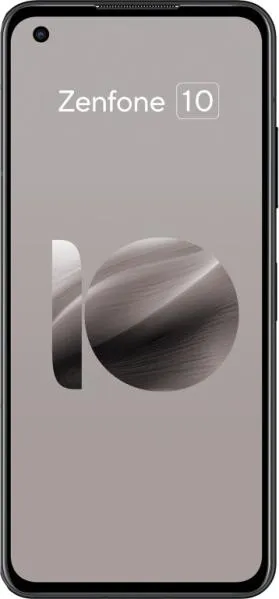
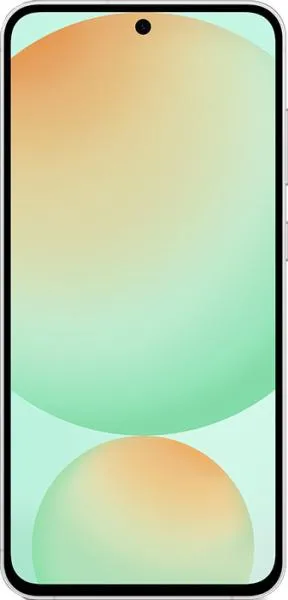
1. Specifications Comparison
| Feature | Asus Zenfone 10 | Samsung Galaxy S24 FE | Practical Impact |
|---|---|---|---|
| Design | |||
| Dimensions (mm) | 146.5 x 68.1 x 9.4 | 162 x 77.3 x 8 | Zenfone 10 is significantly smaller and more pocketable. S24 FE is larger, potentially less comfortable for one-handed use. |
| Weight (g) | 172 | 213 | Zenfone 10 is noticeably lighter, reducing hand fatigue during extended use. |
| Display | |||
| Size (inches) | 5.92 | 6.7 | S24 FE offers a larger screen for more immersive media consumption and multitasking. Zenfone 10 is better for one-handed use. |
| Resolution (px) | 1080 x 2400 | 1080 x 2340 | Similar pixel density, but Zenfone 10's smaller screen results in slightly sharper visuals (445 ppi vs 385 ppi). |
| Refresh Rate (Hz) | 144 | 120 | Zenfone 10's higher refresh rate delivers smoother animations and scrolling. |
| Peak Brightness (nits) | 1100 | 1900 | S24 FE offers significantly higher peak brightness, improving outdoor visibility. |
| Performance | |||
| Chipset | Snapdragon 8 Gen 2 | Exynos 2400e | Snapdragon 8 Gen 2 generally provides superior performance and efficiency compared to the Exynos 2400e, particularly in graphics-intensive tasks. |
| CPU | Octa-core (1x3.2 GHz Cortex-X3 & 2x2.8 GHz Cortex-A715 & 2x2.8 GHz Cortex-A710 & 3x2.0 GHz Cortex-A510) | 10-core (specific core configuration unavailable) | Detailed comparison not possible without full S24 FE CPU details. However, Snapdragon chips generally offer better single-core performance, impacting app loading speeds. |
| GPU | Adreno 740 | Xclipse 940 | Adreno 740 typically delivers better gaming performance and sustained high frame rates compared to the Xclipse 940. |
| RAM (GB) | 8 | 8 | Both offer ample RAM for smooth multitasking. |
| Camera | |||
| Rear Cameras | 50MP Main, 13MP Wide+Macro | 50MP Main, 13MP Wide, 8MP Telephoto | S24 FE offers a dedicated telephoto lens for optical zoom, enabling better quality zoomed-in shots. Zenfone 10 lacks a dedicated telephoto lens but offers a macro lens. |
| Front Camera | 32MP | 10.8MP | Zenfone 10 boasts a significantly higher resolution front camera for potentially sharper selfies. |
| Video Recording | Up to 8K@24fps | Up to 8K@30fps | Both can record high-resolution video. S24 FE supports higher frame rates at 8K. Zenfone 10 specifications mention a 6-axis gimbal, suggesting potentially better video stabilization. |
| Battery | |||
| Capacity (mAh) | 4300 | 4700 | S24 FE has a larger battery capacity, potentially leading to longer battery life. Real-world battery life depends on usage patterns and software optimization. |
| Charging Speed | Not specified | Not specified | Cannot compare charging speeds without specific data. |
2. Key Differences Analysis
Asus Zenfone 10 Advantages:
- Compact Size and Lighter Weight: Significantly more pocketable and comfortable for one-handed use.
- Higher Refresh Rate Display: Smoother scrolling and animations.
- Generally Superior Performance: Snapdragon 8 Gen 2 typically outperforms Exynos 2400e.
- Higher Resolution Selfie Camera: Potentially sharper selfies.
- 6-axis Gimbal Stabilization: Potentially smoother video recording.
Samsung Galaxy S24 FE Advantages:
- Larger Display: More immersive experience for media consumption and multitasking.
- Higher Peak Brightness: Better outdoor visibility.
- Larger Battery Capacity: Potentially longer battery life.
- Dedicated Telephoto Lens: Optical zoom for better quality zoomed images.
Trade-offs:
- Zenfone 10: Smaller battery capacity for its compact size. Lacks a dedicated telephoto lens.
- S24 FE: Larger and heavier, potentially less comfortable for one-handed use. Exynos processor may offer lower performance compared to the Snapdragon counterpart. Lower resolution selfie camera.
3. User Profiles & Recommendations
Zenfone 10: Ideal for users who prioritize a compact and lightweight phone with smooth performance, a great display, and excellent one-handed usability. Suitable for users who value portability and don't heavily rely on optical zoom.
S24 FE: Suitable for users who prefer a larger display for media consumption and multitasking, and value a dedicated telephoto lens for photography. Good for users who prioritize battery life and a brighter screen for outdoor use.
4. Decision Framework
Key Questions for Buyers:
- Do you prioritize one-handed usability and portability or a larger screen for media consumption?
- How important is camera versatility, specifically optical zoom, to you?
- Which is more crucial: raw performance or potentially longer battery life?
My Choice: Asus Zenfone 10
While the S24 FE has appealing features like a larger display and telephoto lens, I would choose the Asus Zenfone 10. My priorities are a compact, powerful phone with a smooth display and excellent one-handed usability. The Zenfone 10 excels in these areas. The Snapdragon 8 Gen 2's superior performance, the higher refresh rate display, and the significantly smaller form factor are decisive factors for me. While I acknowledge the benefits of a telephoto lens, I find the combination of the main and wide-angle cameras sufficient for my needs, and the inclusion of a macro lens adds versatility. The potential trade-off in battery life is acceptable considering the Zenfone 10's overall package. The potential for superior video stabilization due to the 6-axis gimbal is also a strong point. Ultimately, the Zenfone 10 better aligns with my personal preferences and usage patterns.
