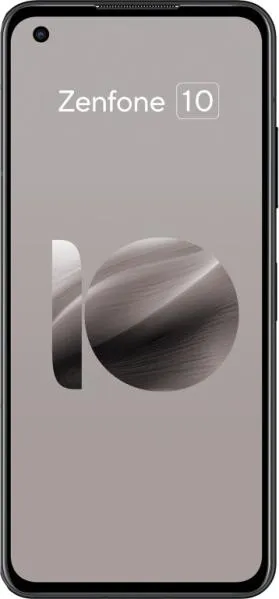
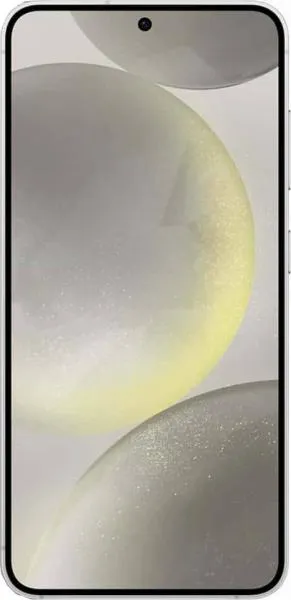
1. Specifications Comparison
| Feature | Asus Zenfone 10 | Samsung Galaxy S24 | Practical Impact |
|---|---|---|---|
| Design | |||
| Dimensions (mm) | 146.5 x 68.1 x 9.4 | 147 x 70.6 x 7.6 | Zenfone 10 is noticeably smaller and slightly thicker. S24 is wider but thinner overall. Zenfone 10's smaller size benefits one-handed use. |
| Weight (g) | 172 | 167 | Negligible weight difference; both are relatively light. |
| Display | |||
| Size (inches) | 5.92 | 6.2 | S24 offers a larger screen for media consumption. Zenfone 10 is more pocketable. |
| Resolution (px) | 1080 x 2400 | 1080 x 2340 | Similar sharpness; minimal real-world difference. |
| Type | Super AMOLED, 144Hz | Dynamic AMOLED 2X, 120Hz | Both offer vibrant colors and deep blacks. Zenfone 10's 144Hz potentially provides smoother scrolling and gaming. S24's LTPO panel could offer better power efficiency at lower refresh rates, but this cannot be confirmed without knowing if it's LTPO. S24 boasts significantly higher peak brightness (2600 nits vs 1100 nits), improving outdoor visibility. |
| Performance | |||
| Chipset | Snapdragon 8 Gen 2 | Snapdragon 8 Gen 3 | S24 features a newer generation chipset, likely resulting in faster performance and improved power efficiency. |
| CPU | Octa-core (up to 3.2 GHz) | Octa-core (up to 3.39 GHz) | S24 has a slightly faster clock speed, translating to a marginal performance advantage in demanding tasks. The architecture differences (Cortex X4 vs X3, A720 vs A715/A710) on the S24 will likely offer a more noticeable performance boost than the raw clock speed indicates. |
| GPU | Adreno 740 | Adreno 750 | S24's GPU likely offers better gaming performance and graphics rendering. |
| RAM | 8GB | 8GB | Both have sufficient RAM for multitasking. |
| Camera | |||
| Rear Cameras | 50MP Main, 13MP Wide+Macro | 50MP Main, 12MP Wide, 10MP Telephoto | S24 offers a dedicated telephoto lens for optical zoom, a significant advantage for versatility. Zenfone 10 combines wide and macro, potentially compromising wide-angle quality. |
| Front Camera | 32MP | 12MP | Zenfone 10 boasts higher resolution front camera, but megapixels don't solely determine image quality. Sensor size and processing play crucial roles, and these details are partially missing. |
| Battery | |||
| Capacity (mAh) | 4300 | 4000 | Zenfone 10 has a larger battery, potentially leading to longer battery life. However, real-world usage depends heavily on software optimization and display usage. |
2. Key Differences Analysis
Zenfone 10 Advantages:
- Smaller Size: Significantly more compact for one-handed use and portability.
- Higher Refresh Rate Display: Potentially smoother scrolling and gaming experience.
- Larger Battery: Potentially longer battery life.
Galaxy S24 Advantages:
- Newer, More Powerful Chipset: Faster performance and improved efficiency.
- Dedicated Telephoto Lens: Greater camera versatility with optical zoom.
- Brighter Display: Much better outdoor visibility.
- Faster USB Standard: USB 3.2 with DisplayPort support on the S24 enables significantly faster data transfer and video output compared to the Zenfone 10's USB 2.0.
3. User Profiles & Recommendations
Zenfone 10: Users prioritizing compact size, smooth display, and potentially longer battery life. Ideal for one-handed use, gaming on the go, and those who dislike large phones.
Galaxy S24: Users seeking the latest performance, a versatile camera system with optical zoom, and a bright display for outdoor use. Ideal for power users, photographers, and those who consume media on their phones.
4. Decision Framework
Key Questions for Buyers:
- How important is one-handed usability and pocketability?
- Do you prioritize the latest performance and camera versatility?
- What is your budget and perceived value for each feature?
My Choice: Samsung Galaxy S24
While I appreciate the Zenfone 10's compact form factor, the Galaxy S24's superior performance with the Snapdragon 8 Gen 3, dedicated telephoto lens, and dramatically brighter display outweigh the size advantage for me. The faster USB standard is also a significant plus for productivity. Although the Zenfone 10 boasts a larger battery and higher refresh rate display, the S24's newer chipset and potential LTPO display could offset these differences in real-world usage. Ultimately, the S24 offers a more well-rounded package for my needs, focusing on performance, camera quality, and a bright, vibrant screen.
