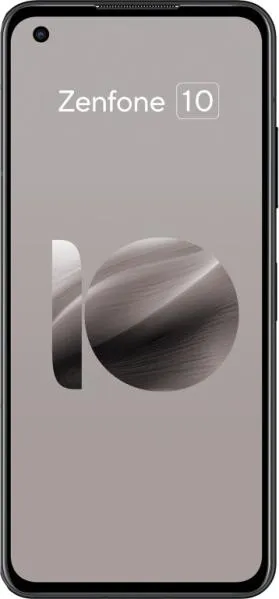
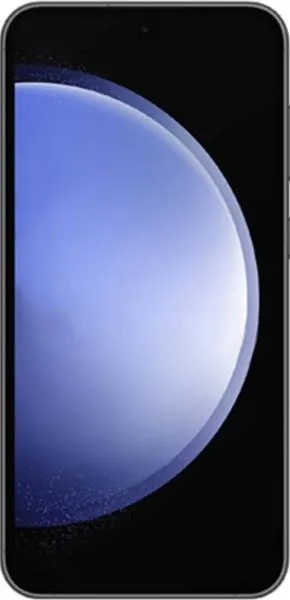
1. Specifications Comparison
| Feature | Asus Zenfone 10 | Samsung Galaxy S23 FE | Practical Impact |
|---|---|---|---|
| Design | |||
| Dimensions (mm) | 146.5 x 68.1 x 9.4 | 158 x 76.5 x 8.2 | Zenfone 10 is significantly smaller and more pocketable. S23 FE is larger, potentially less comfortable for one-handed use. |
| Weight (g) | 172 | 209 | Zenfone 10 is noticeably lighter, reducing hand fatigue during extended use. |
| Display | |||
| Size (inches) | 5.92 | 6.4 | S23 FE offers a larger screen for media consumption and multitasking, but may be less suitable for one-handed operation. |
| Resolution (pixels) | 1080 x 2400 | 1080 x 2340 | Similar pixel density, both sharp enough for everyday use. Zenfone 10 has slightly higher PPI due to smaller size. |
| Refresh Rate (Hz) | 144 | 120 | Zenfone 10's higher refresh rate provides smoother animations and scrolling, especially noticeable in gaming and fast-paced content. |
| Panel Type | Super AMOLED | Dynamic AMOLED 2X | Both offer vibrant colors and deep blacks. Samsung's Dynamic AMOLED 2X might offer slightly better HDR performance. |
| Peak Brightness (nits) | 1100 | 1450 (peak) | S23 FE likely offers better outdoor visibility due to higher peak brightness, though typical brightness might be similar. |
| Performance | |||
| Chipset | Snapdragon 8 Gen 2 | Exynos 2200 | Snapdragon 8 Gen 2 generally offers better performance and efficiency than Exynos 2200. |
| CPU | Octa-core (up to 3.2 GHz) | Octa-core (up to 2.8 GHz) | Zenfone 10's CPU likely provides faster processing speeds and better multitasking. |
| GPU | Adreno 740 | Xclipse 920 | Adreno 740 generally outperforms Xclipse 920 in graphics-intensive tasks like gaming. |
| RAM (GB) | 8/16 | 8 | Both offer sufficient RAM for most users, though the Zenfone 10's 16GB option provides more headroom for future-proofing. |
| Camera | |||
| Rear Cameras | 50MP Main, 13MP Wide + Macro | 50MP Main, 13MP Wide + Macro, 8MP Telephoto | S23 FE offers a dedicated telephoto lens for optical zoom, providing clearer zoomed-in shots compared to Zenfone 10's digital zoom. |
| Video Recording | Up to 8K@24fps | Up to 8K@24fps | Both can record high-resolution video, S23 FE offers more frame rate options for slow-motion. Specific quality differences require real-world comparison. |
| Battery | |||
| Capacity (mAh) | 4300 | 4500 | S23 FE has a slightly larger battery, potentially offering longer battery life. Real-world usage will vary. |
2. Key Differences Analysis
Asus Zenfone 10 Advantages:
- Compact Size and Lighter Weight: Significantly more pocketable and comfortable for one-handed use.
- Higher Refresh Rate Display: Smoother and more responsive user experience.
- More Powerful Processor and GPU: Better performance in demanding tasks and gaming.
Samsung Galaxy S23 FE Advantages:
- Larger Display: More immersive experience for media consumption and multitasking.
- Dedicated Telephoto Lens: Optical zoom capabilities for better zoomed images.
- Slightly Larger Battery: Potentially longer battery life.
- Longer Software Support: Expected to receive more Android OS updates.
3. User Profiles & Recommendations
Asus Zenfone 10: Ideal for users who prioritize a compact and lightweight phone with top-tier performance and a smooth display. Suitable for one-handed use, gaming, and general productivity.
Samsung Galaxy S23 FE: Suitable for users who prefer a larger display for media consumption and value a dedicated telephoto lens for photography. Good for users who prioritize longer software support.
4. Decision Framework
Key Questions for Buyers:
- How important is one-handed usability and portability?
- Do you prioritize the best possible performance or a well-rounded feature set including a telephoto lens?
- How much emphasis do you place on software updates and longevity?
My Choice: Asus Zenfone 10
While the S23 FE offers a compelling package with its telephoto lens and larger display, I would choose the Asus Zenfone 10. The compact size and powerful Snapdragon 8 Gen 2 are major deciding factors for me. I prioritize a phone that is comfortable to hold and use with one hand, while also delivering top-notch performance for everyday tasks and gaming. The 144Hz display is a significant bonus for a smoother user experience. While the lack of a telephoto lens is a trade-off, the overall performance and portability of the Zenfone 10 outweigh this for my personal preferences. The expected shorter software update cycle is a concern, but not a deal-breaker for me.
