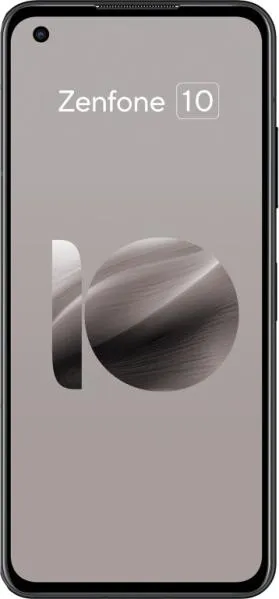
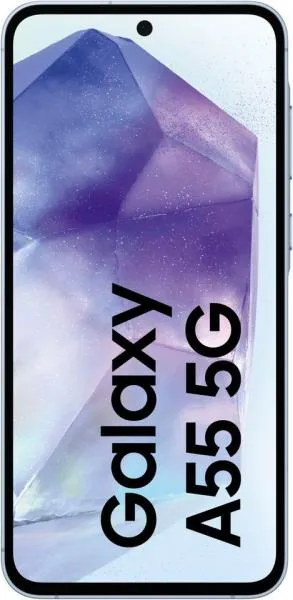
1. Specifications Comparison
| Feature | Asus Zenfone 10 | Samsung Galaxy A55 | Practical Impact |
|---|---|---|---|
| Design | |||
| Dimensions (mm) | 146.5 x 68.1 x 9.4 | 161.1 x 77.4 x 8.2 | Zenfone 10 is significantly smaller and more pocketable. A55 is larger, potentially less comfortable for one-handed use. |
| Weight (g) | 172 | 213 | Zenfone 10 is noticeably lighter, reducing hand fatigue during extended use. |
| Build | Missing | Missing | Build quality and materials cannot be compared without further data. |
| Display | |||
| Size (inches) | 5.92 | 6.6 | A55 offers a larger screen for media consumption and multitasking, Zenfone 10 prioritizes one-handed usability. |
| Resolution (px) | 1080 x 2400 | 1080 x 2340 | Similar resolutions, but Zenfone 10's smaller screen results in higher pixel density (sharper image). |
| Refresh Rate (Hz) | 144 | 120 | Zenfone 10's higher refresh rate provides smoother animations and scrolling. |
| Display Type | Super AMOLED | Super AMOLED | Both offer vibrant colors and deep blacks. |
| Peak Brightness (nits) | 1100 | 1000 (HBM) | Zenfone 10 might be slightly more visible in direct sunlight. |
| Performance | |||
| Chipset | Snapdragon 8 Gen 2 | Exynos 1480 | Snapdragon 8 Gen 2 offers significantly better CPU and GPU performance, leading to faster app loading, smoother gaming, and better multitasking. |
| CPU | Octa-core (1x3.2 GHz Cortex-X3 & 2x2.8 GHz Cortex-A715 & 2x2.8 GHz Cortex-A710 & 3x2.0 GHz Cortex-A510) | Octa-core (4x2.75 GHz Cortex-A78 & 4x2.0 GHz Cortex-A55) | Zenfone 10's CPU architecture is more powerful and efficient. |
| GPU | Adreno 740 | Xclipse 530 | Adreno 740 provides a substantial advantage in graphics performance for demanding games and applications. |
| RAM | 8GB | 8/12GB | Both offer sufficient RAM for most tasks, but the 12GB option on the A55 provides more headroom for heavy multitasking. |
| Camera | |||
| Main Camera (MP) | 50 (Sony IMX766) | 50 (Sony IMX906) | While both have 50MP sensors, image quality differences depend on processing and lens quality, which cannot be fully assessed. IMX906 is generally newer with potentially better low light performance. |
| Video Recording | Up to 8K@24fps | Up to 4K@30fps | Zenfone 10 offers higher resolution video recording. |
| Camera Features | 6-axis Gimbal Stabilization | Optical Image Stabilization | Zenfone 10's gimbal stabilization will likely provide significantly smoother video footage. |
| Battery | |||
| Capacity (mAh) | 4300 | 5000 | A55 has a larger battery capacity, potentially offering longer battery life. |
2. Key Differences Analysis
Asus Zenfone 10 Advantages:
- Significantly more powerful: Snapdragon 8 Gen 2 provides a major performance advantage.
- Smoother Display and Performance: 144Hz refresh rate and powerful GPU deliver a superior visual experience.
- More Compact: Smaller and lighter, ideal for one-handed use.
- Superior Video Recording and Stabilization: 8K recording and 6-axis gimbal are major advantages for video content creation.
Samsung Galaxy A55 Advantages:
- Larger Battery: Potentially longer battery life.
- Larger Display: More immersive experience for media consumption.
- Potentially Lower Price: Depending on configuration, the A55 may offer better value for budget-conscious buyers.
- More Software Updates: Longer OS update support promised (up to Android 18).
3. User Profiles & Recommendations
Asus Zenfone 10: Ideal for users who prioritize performance, a compact form factor, and excellent camera capabilities, especially video recording. Power users, gamers, and content creators will appreciate its capabilities.
Samsung Galaxy A55: Suitable for users who value battery life, a large display for media consumption, and a longer software update cycle. Casual users, students, and those on a tighter budget might find the A55 a good option.
4. Decision Framework
Key Questions for Buyers:
- What is your budget? The Zenfone 10 is generally more expensive.
- Do you prioritize performance or battery life? Zenfone 10 excels in performance, while A55 offers a larger battery.
- What screen size do you prefer? Zenfone 10 is compact, A55 has a larger display.
My Choice: Asus Zenfone 10
While the Samsung Galaxy A55 offers a larger battery and display, the Asus Zenfone 10's superior performance, compact size, and advanced camera features, especially the 6-axis gimbal stabilization, make it the more compelling device for me. I value a smooth and responsive user experience, and the Snapdragon 8 Gen 2 combined with the 144Hz display delivers exactly that. The compact form factor is a major plus for daily usability. While battery life is important, I'm willing to compromise slightly for the significant performance and feature advantages offered by the Zenfone 10. The superior video recording capabilities are a deciding factor, as I frequently record short videos.
