1. Specifications Comparison
| Feature | Asus Zenfone 10 | Samsung Galaxy A15 | Practical Impact | |
|---|---|---|---|---|
| Design | ||||
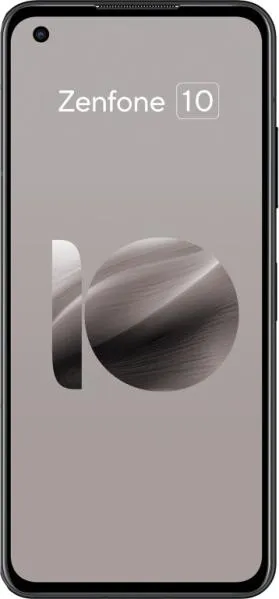
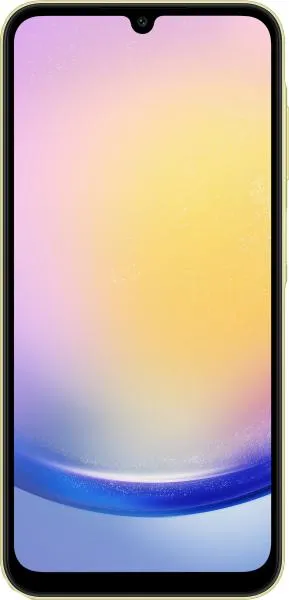
| Dimensions (mm) | 146.5 x 68.1 x 9.4 | 160.1 x 76.8 x 8.4 | Zenfone 10 is significantly more compact and pocketable. A15 is larger, potentially less comfortable for one-handed use. | |
| Weight (g) | 172 | 200 | Zenfone 10 is noticeably lighter, reducing hand fatigue during extended use. | |
| Display | ||||
| Size (inches) | 5.92 | 6.5 | A15 offers a larger screen for media consumption, but may be less suitable for one-handed operation. Zenfone 10's smaller size benefits portability and one-handed use. | |
| Resolution (px) | 1080 x 2400 | 1080 x 2340 | Virtually identical sharpness due to similar pixel density. | |
| Refresh Rate (Hz) | 144 | 90 | Zenfone 10's 144Hz display provides significantly smoother scrolling and animations, especially noticeable in gaming and fast-paced UI interactions. | |
| Display Type | Super AMOLED, HDR10+, 1100 nits peak brightness | Super AMOLED, 800 nits peak brightness | Both offer vibrant colors and deep blacks thanks to AMOLED technology. Zenfone 10 boasts higher peak brightness for better outdoor visibility and HDR content. | |
| Performance | ||||
| Chipset | Snapdragon 8 Gen 2 (4 nm) | Mediatek Helio G99 (6 nm) | Zenfone 10's Snapdragon 8 Gen 2 offers significantly higher CPU and GPU performance, resulting in much faster app loading, smoother multitasking, and superior gaming capabilities. | |
| CPU | Octa-core (up to 3.2 GHz) | Octa-core (up to 2.2 GHz) | Zenfone 10 has a more powerful and efficient CPU architecture, leading to a noticeable performance difference. | |
| RAM (GB) | 8/16 | 4/6/8 | Zenfone 10 offers higher RAM configurations, enabling better multitasking and preventing app closures in the background. | |
| Camera | ||||
| Rear Camera | 50MP (Sony IMX766) + 13MP Ultrawide | 50MP Main + 5MP Ultrawide + 2MP Macro | Zenfone 10 utilizes a higher quality main sensor (Sony IMX766), likely resulting in better image quality. A15's Macro lens allows for extreme close-up shots, which Zenfone 10 might lack. | |
| Video | Up to 8K@24fps, 4K@60fps with EIS | 1080p@30fps | Zenfone 10 offers significantly superior video recording capabilities with higher resolution and frame rates, including 8K recording. | |
| Battery | ||||
| Capacity (mAh) | 4300 | 5000 | A15 has a larger battery capacity, potentially offering longer battery life. Zenfone 10's more efficient chip may partially offset this difference. |
2. Key Differences Analysis
Asus Zenfone 10 Advantages:
- Significantly higher performance: Snapdragon 8 Gen 2 provides a major advantage in speed and responsiveness.
- Smoother display: 144Hz refresh rate delivers a superior visual experience.
- Brighter Display: Better outdoor visibility and HDR experience
- More compact and lighter: Easier to handle and carry.
- Superior camera and video recording: Higher quality sensor and resolution/frame rate options.
Samsung Galaxy A15 Advantages:
- Larger battery: Potentially longer battery life.
- Larger Display: More immersive media consumption experience.
- Lower price: Offers a more budget-friendly option.
3. User Profiles & Recommendations
Asus Zenfone 10: Ideal for users who prioritize performance, a smooth display, a compact form factor, and high-quality camera capabilities. Suitable for demanding tasks like gaming, video editing, and multitasking.
Samsung Galaxy A15: Best suited for budget-conscious users who prioritize battery life and a large screen for media consumption. Suitable for everyday tasks like web browsing, social media, and casual gaming.
4. Decision Framework
Key Questions for Buyers:
- What is your budget? The Zenfone 10 is significantly more expensive.
- What are your performance needs? For demanding tasks, the Zenfone 10 is far superior.
- Do you prioritize portability or screen size? Zenfone 10 is compact, while A15 has a larger display.
My Choice: Asus Zenfone 10
While the Samsung Galaxy A15 offers a larger battery and lower price, the Asus Zenfone 10 is the clear winner for me. The significantly superior performance, smoother 144Hz display, brighter screen, more compact design, and advanced camera capabilities outweigh the battery size and price difference. I value a fluid and responsive user experience, which the Snapdragon 8 Gen 2 and high refresh rate deliver. The compact size is also a major plus for daily usability. While battery life is important, I'm willing to compromise slightly in that area for the significant gains in overall performance and user experience. The A15 is a solid budget option, but the Zenfone 10 offers a significant jump in quality and capabilities.
