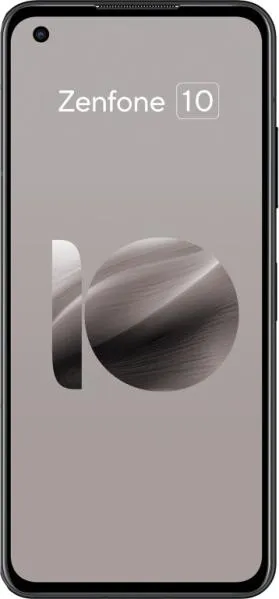

1. Specifications Comparison
| Feature | Asus Zenfone 10 | Realme C51 | Practical Impact |
|---|---|---|---|
| Design | |||
| Dimensions (mm) | 146.5 x 68.1 x 9.4 | 167.2 x 76.7 x 8.0 | Zenfone 10 is significantly smaller and more pocketable. C51 is larger and thinner. |
| Weight (g) | 172 | 186 | Zenfone 10 is noticeably lighter for one-handed use. |
| Build | Missing | Missing | Build materials impact durability and premium feel; information lacking for both. |
| Display | |||
| Size (inches) | 5.92 | 6.74 | C51 offers a much larger screen for media consumption; Zenfone 10 is more compact. |
| Resolution | 1080 x 2400 | 720 x 1600 | Zenfone 10 has a sharper, more detailed display (445 ppi vs 260 ppi). |
| Type | Super AMOLED, 144Hz | IPS LCD, 90Hz | Zenfone 10's AMOLED provides richer colors, deeper blacks, and smoother scrolling thanks to the higher refresh rate. |
| Performance | |||
| Chipset | Snapdragon 8 Gen 2 | Unisoc Tiger T612 | Zenfone 10 boasts a flagship-level processor for significantly faster performance in demanding tasks and gaming. |
| CPU | Octa-core (up to 3.2 GHz) | Octa-core (up to 1.8 GHz) | Zenfone 10's CPU offers superior multi-tasking and app loading speeds. |
| GPU | Adreno 740 | Mali-G57 | Zenfone 10's GPU delivers a much better gaming experience with higher frame rates and detail. |
| RAM | 8/16GB | 4/6GB | Zenfone 10 offers more RAM for smoother multitasking and background app retention. |
| Camera | |||
| Main Camera | 50MP, Sony IMX766 | 50MP, Samsung S5KJN1 | Both have 50MP sensors, but sensor size and image processing will likely differ, impacting image quality. Detailed comparison requires camera reviews. |
| Secondary Camera | 13MP Wide + Macro | 0.8MP Depth | Zenfone 10 offers a more usable ultrawide/macro lens. C51's depth sensor has limited practical use. |
| Video | Up to 8K@24fps | Up to 1080p@30fps | Zenfone 10 supports much higher resolution video recording. |
| Battery | |||
| Capacity | 4300 mAh | 5000 mAh | C51 has a larger battery capacity, potentially offering longer battery life. Real-world usage will depend on optimization. |
2. Key Differences Analysis
Zenfone 10 Advantages:
- Significantly more powerful: The Snapdragon 8 Gen 2 offers a massive performance advantage for demanding tasks, gaming, and future-proofing.
- Superior Display: The AMOLED with 144Hz provides vibrant colors, deep blacks, and incredibly smooth scrolling.
- Compact and Premium: Smaller form factor appeals to users who prioritize one-handed usability. Though build materials are unknown, the overall design suggests a more premium feel.
- Better Camera System: While detailed comparison requires camera samples, the Zenfone 10's specs suggest a more versatile and capable camera system, particularly for video recording.
Realme C51 Advantages:
- Larger Battery: The 5000 mAh battery may provide longer battery life for less demanding users.
- Lower Price: Significantly more affordable, targeting budget-conscious buyers.
- Larger Display: The 6.74-inch screen is better suited for media consumption and those who prefer a larger canvas.
3. User Profiles & Recommendations
Zenfone 10: Ideal for users who:
- Prioritize performance and a smooth user experience.
- Enjoy mobile gaming or use demanding applications.
- Prefer a compact, one-handed phone.
- Value a high-quality display.
- Are willing to pay a premium for flagship features.
Realme C51: Ideal for users who:
- Primarily use their phone for basic tasks like calling, texting, and social media.
- Prioritize long battery life.
- Are on a tight budget.
- Prefer a large screen for media viewing.
- Don't engage in demanding tasks like gaming.
4. Decision Framework
Key Questions for Buyers:
- What is your budget? The C51 is significantly cheaper.
- What are your primary phone usage patterns? Demanding users will appreciate the Zenfone 10's performance; casual users might find the C51 sufficient.
- Do you prioritize size and portability or a large screen? The Zenfone 10 is compact; the C51 has a much larger display.
My Choice: Asus Zenfone 10
While the Realme C51 offers excellent value for its price, the Asus Zenfone 10 is the clear winner for me. The significantly superior performance, gorgeous 144Hz AMOLED display, compact form factor, and promising camera system outweigh the price difference and larger battery of the C51. I value a smooth and responsive user experience, and the Zenfone 10 delivers that in spades. The compact size is a major plus for me, as I prefer one-handed usability. While the C51 is a good option for budget-conscious buyers, the Zenfone 10's premium features justify the higher price for my needs and preferences.
