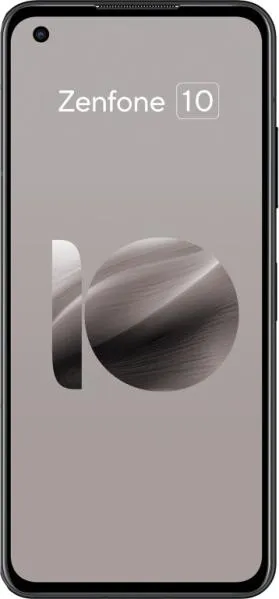
1. Specifications Comparison
| Feature | Asus Zenfone 10 | realme 8 | Practical Impact |
|---|---|---|---|
| Design | |||
| Dimensions (mm) | 146.5 x 68.1 x 9.4 | 162 x 75.1 x 8.7 | Zenfone 10 is significantly smaller and more pocketable; realme 8 is taller and wider. |
| Weight (g) | 172 | 191 | Zenfone 10 is noticeably lighter, reducing hand fatigue during extended use. |
| Display | |||
| Size (inches) | 5.92 | 6.78 | realme 8 offers a much larger screen for media consumption and multitasking, Zenfone 10 is better for one-handed use. |
| Resolution (px) | 1080 x 2400 | 1264 x 2780 | realme 8 has a slightly higher resolution but due to its larger size, the PPI is roughly equivalent. |
| Refresh Rate (Hz) | 144 | 120 | Zenfone 10's higher refresh rate provides smoother animations and scrolling, especially noticeable in gaming. |
| Display Type | Super AMOLED | LTPO AMOLED | Both offer vibrant colors and deep blacks. realme 8's LTPO panel allows for dynamic refresh rate adjustment, potentially saving battery. |
| Peak Brightness (nits) | 1100 | 6000 | realme 8 boasts significantly higher peak brightness, ensuring excellent outdoor visibility. |
| Performance | |||
| Chipset | Snapdragon 8 Gen 2 | Snapdragon 7+ Gen 3 | Zenfone 10 utilizes a flagship processor, offering significantly better performance in demanding tasks and gaming compared to the upper mid-range chip in the realme 8. |
| RAM (GB) | 8/16 | 12 | Both offer ample RAM for smooth multitasking; 16GB on the Zenfone 10 provides headroom for future-proofing. |
| Camera | |||
| Rear Camera (MP) | 50 + 13 | Missing Information | Cannot compare without realme 8 camera specifications. |
| Front Camera (MP) | 32 | Missing Information | Cannot compare without realme 8 camera specifications. |
| Video Capabilities | Up to 8K@24fps | Up to 4K@60fps | Zenfone 10 offers higher resolution video recording. |
| Battery | |||
| Capacity (mAh) | 4300 | 5500 | realme 8 has a significantly larger battery, likely resulting in longer battery life. |
2. Key Differences Analysis
Asus Zenfone 10 Advantages:
- Significantly more powerful: The Snapdragon 8 Gen 2 provides a substantial performance advantage for demanding tasks and gaming.
- Compact and lightweight: Easier to handle and carry.
- Higher refresh rate display: Smoother user experience.
- Higher resolution video recording: Captures more detail.
realme 8 Advantages:
- Larger display: More immersive media consumption and better multitasking.
- Much brighter display: Superior outdoor visibility.
- Larger battery: Potentially longer battery life.
- Potentially lower price: Though price ranges overlap, the realme 8's single configuration suggests it might be positioned at a lower price point within the "medium price" range.
Trade-offs:
- Performance vs. Battery Life: Zenfone 10 prioritizes performance with a smaller battery, while realme 8 leans towards longer battery life with a less powerful processor.
- Size and One-handed Use: Zenfone 10 is compact but has a smaller screen; realme 8 offers a larger screen but is less pocketable.
3. User Profiles & Recommendations
Asus Zenfone 10: Ideal for users who prioritize performance, a compact form factor, and a smooth display. Suitable for mobile gaming, demanding applications, and one-handed use.
realme 8: Ideal for users who prioritize battery life, a large display for media consumption, and excellent outdoor visibility. Suitable for casual gaming, web browsing, video streaming, and extended use without charging.
4. Decision Framework
Key Questions for Buyers:
- What is your budget? While both are mid-range, specific pricing will determine value.
- What is your primary use case? (Gaming, media consumption, productivity, etc.)
- Do you prefer a compact or large phone?
Scenario-Based Recommendations:
- Heavy gamer: Asus Zenfone 10 for its superior performance.
- All-day battery life: realme 8 for its larger battery capacity.
- One-handed use and portability: Asus Zenfone 10 for its compact design.
- Media consumption and multitasking: realme 8 for its larger display.
My Choice: Asus Zenfone 10
While the realme 8 boasts a larger battery and display, I prioritize performance and a compact form factor. The Snapdragon 8 Gen 2 in the Zenfone 10 offers a significant performance advantage that, for my use case (which includes gaming and productivity), outweighs the benefits of the realme 8. The 144Hz display is also a major draw for me, as I appreciate the smooth user experience it provides. I'm willing to sacrifice some battery life and screen real estate for the significant performance boost and pocketability. The lack of detailed camera specifications for the realme 8 also makes a comprehensive comparison difficult.
