1. Specifications Comparison
| Feature | Asus Zenfone 10 | Oppo Reno10 | Practical Impact |
|---|---|---|---|
| Design | |||
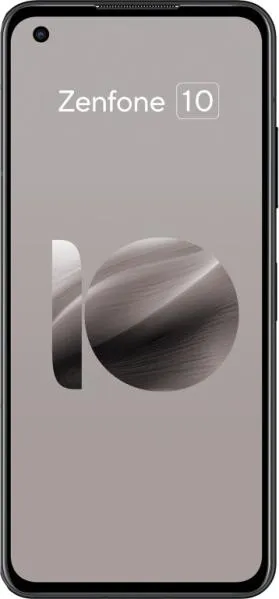
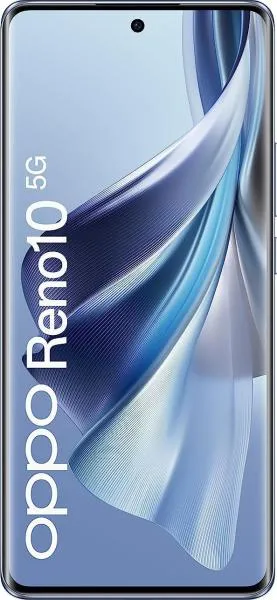
| Dimensions (mm) | 146.5 x 68.1 x 9.4 | 162.4 x 74.2 x 8 | Zenfone 10 is significantly smaller and more pocketable. Reno10 is taller and wider. |
| Weight (g) | 172 | 185 | Zenfone 10 is noticeably lighter, reducing hand fatigue during extended use. |
| Display | |||
| Size (inches) | 5.92 | 6.7 | Reno10 offers a larger screen for more immersive media consumption and multitasking, Zenfone 10 provides a more one-hand-friendly experience. |
| Resolution (px) | 1080 x 2400 | 1080 x 2412 | Similar pixel density, but Reno10's larger size may make individual pixels slightly more noticeable. |
| Refresh Rate (Hz) | 144 | 120 | Zenfone 10's higher refresh rate results in smoother animations and scrolling. |
| Panel Type | Super AMOLED | AMOLED | Both offer vibrant colors and deep blacks, but Zenfone 10's Super AMOLED might offer slightly better outdoor visibility. |
| Peak Brightness (nits) | 1100 | 950 | Zenfone 10 should be easier to read in direct sunlight. |
| Performance | |||
| Chipset | Snapdragon 8 Gen 2 | MediaTek Dimensity 7050 | Zenfone 10's Snapdragon 8 Gen 2 provides significantly more processing power, resulting in faster app loading, smoother multitasking, and better gaming performance. |
| CPU | Octa-core (1x3.2 GHz Cortex-X3 & 2x2.8 GHz Cortex-A715 & 2x2.8 GHz Cortex-A710 & 3x2.0 GHz Cortex-A510) | Octa-core (2x2.6 GHz Cortex-A78 & 6x2.0 GHz Cortex-A55) | Zenfone 10's CPU architecture offers a superior blend of performance and efficiency. |
| GPU | Adreno 740 | Mali-G68 MC4 | Zenfone 10's Adreno 740 delivers superior graphics performance for demanding games and applications. |
| Camera | |||
| Main Camera (MP) | 50 (Sony IMX766) | 64 (Omnivision OV64B) | Reno10 has a higher resolution sensor, but sensor size and image processing are crucial for overall image quality. |
| Telephoto | No dedicated Telephoto | 32MP Telephoto | Reno10 offers optical zoom capabilities, absent in the Zenfone 10. |
| Ultrawide | 13MP | 8MP | Zenfone 10 has a slightly higher resolution ultrawide. |
| Video | Up to 8K@24fps | Up to 4K@30fps | Zenfone 10 offers significantly higher video resolution capabilities. |
| Battery | |||
| Capacity (mAh) | 4300 | 5000 | Reno10 has a larger battery capacity, potentially leading to longer battery life. However, real-world usage depends on software optimization and other factors. |
2. Key Differences Analysis
Zenfone 10 Advantages:
- Significantly more powerful: The Snapdragon 8 Gen 2 provides a substantial performance advantage for demanding tasks and gaming.
- Smoother Display: The 144Hz refresh rate provides a noticeably smoother user experience.
- More Compact: Smaller and lighter, making it ideal for one-handed use.
- Brighter Display: Better visibility outdoors.
- Higher Resolution Video Recording: Up to 8K recording.
Reno10 Advantages:
- Larger Battery: Potential for longer battery life.
- Larger Display: More immersive media consumption and multitasking.
- Dedicated Telephoto Lens: Optical zoom capabilities for better distant shots.
- Lower Price: Generally more affordable than the Zenfone 10.
3. User Profiles & Recommendations
Zenfone 10: Users who prioritize performance, a smooth display, a compact form factor, and premium features. Ideal for mobile gaming, demanding applications, and one-handed use.
Reno10: Users who prioritize battery life, a large display, and affordability. Suitable for casual gaming, media consumption, and general everyday use. Good for users who value a telephoto lens.
4. Decision Framework
Key Questions for Buyers:
- What is your budget? The Zenfone 10 is generally more expensive.
- What is your primary use case? Gaming and demanding tasks favor the Zenfone 10. Media consumption and casual use might favor the Reno10. Photography enthusiasts might lean towards the Reno10 for its telephoto lens.
- Do you prefer a compact or larger phone? The Zenfone 10 is significantly smaller and lighter.
My Choice: Asus Zenfone 10
While the Reno10 offers a tempting larger battery and display, the Zenfone 10's superior performance, smoother display, and compact form factor are decisive for me. The Snapdragon 8 Gen 2 ensures a future-proof experience, and I value the portability and one-handed usability of a smaller phone. The 144Hz display is a noticeable upgrade in daily use. While I acknowledge the Reno10's telephoto lens advantage, I prioritize the overall performance and user experience offered by the Zenfone 10. The price difference is justifiable for the substantial performance gains and premium features.
