1. Specifications Comparison
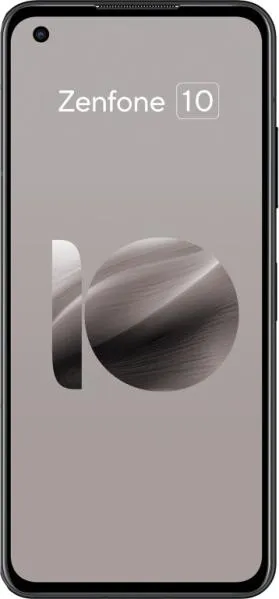
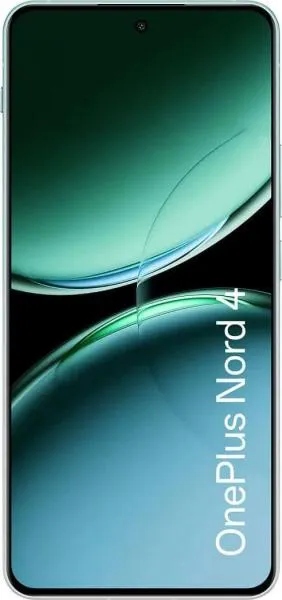
| Feature | Asus Zenfone 10 | OnePlus Nord 4 | Practical Impact |
|---|---|---|---|
| Design | |||
| Dimensions (mm) | 146.5 x 68.1 x 9.4 | 162.6 x 75 x 8 | Zenfone 10 is significantly smaller and more pocketable. Nord 4 is thinner but taller and wider. |
| Weight (g) | 172 | 199.5 | Zenfone 10 is noticeably lighter, reducing hand fatigue during extended use. |
| Display | |||
| Size (inches) | 5.92 | 6.74 | Nord 4 offers a much larger screen for media consumption and multitasking, while Zenfone 10 prioritizes one-handed usability. |
| Resolution (px) | 1080 x 2400 | 1240 x 2772 | Both offer sharp displays, but Nord 4 has a slightly higher pixel density (450 vs 445 PPI), though the difference is negligible in real-world use. |
| Refresh Rate (Hz) | 144 | 120 | Zenfone 10's higher refresh rate results in smoother animations and scrolling, especially noticeable in gaming and fast-paced UI interactions. |
| Display Type | Super AMOLED | Fluid AMOLED | Both AMOLED types offer vibrant colors and deep blacks. Nord 4 boasts a 1 Billion color display capable of displaying a wider range of colors compared to Zenfone 10's unspecified color depth, leading to more accurate and lifelike images. Nord 4 also has a significantly higher peak brightness (2150 vs 1100 nits), making it much more usable in direct sunlight. |
| Performance | |||
| Chipset | Snapdragon 8 Gen 2 | Snapdragon 7+ Gen 3 | Zenfone 10 utilizes a flagship chipset, offering significantly higher performance in demanding tasks like gaming and video editing. Nord 4's mid-range chip provides good performance for everyday use but might struggle with heavy workloads. |
| CPU | Octa-core (1x3.2 GHz Cortex-X3 & 2x2.8 GHz Cortex-A715 & 2x2.8 GHz Cortex-A710 & 3x2.0 GHz Cortex-A510) | Octa-core (1x2.8 GHz Cortex-X4 & 4x2.6 GHz Cortex-A720 & 3x1.9 GHz Cortex-A520) | Zenfone 10's CPU boasts faster clock speeds and a more powerful core configuration, translating to noticeably quicker app launches, smoother multitasking, and better overall responsiveness. |
| GPU | Adreno 740 | Adreno 732 | Zenfone 10's GPU provides superior graphics performance for gaming and other graphically demanding tasks. |
| RAM | 8GB | 16GB | The reviewed Nord 4 model has double the RAM of the Zenfone 10 model. More RAM allows for more apps to be held in memory, reducing the need for frequent reloading and improving multitasking performance. |
| Camera | |||
| Main Camera (MP) | 50 | 50 | Megapixel count is similar, but sensor quality and other factors significantly impact image quality. Specific sensor details for Nord 4 indicate a potentially larger sensor which would generally perform better in low light. |
| Video Capabilities | Up to 8K@24fps | Up to 4K@60fps | Zenfone 10 can record higher resolution video, but 4K@60fps is sufficient for most users. Zenfone 10 also offers a 6-axis gimbal stabilization, promising significantly smoother video recording. |
| Battery | |||
| Capacity (mAh) | 4300 | 5500 | Nord 4 has a significantly larger battery, likely resulting in longer battery life. |
2. Key Differences Analysis
Zenfone 10 Advantages:
- Significantly more powerful: The Snapdragon 8 Gen 2 provides a substantial performance advantage for demanding tasks.
- Smoother Display: The 144Hz refresh rate offers a more fluid user experience.
- More Compact: Smaller size and lighter weight make it ideal for one-handed use and portability.
- Superior Video Stabilization: The 6-axis gimbal promises significantly smoother video.
Nord 4 Advantages:
- Larger Display: Provides a more immersive experience for media consumption.
- Longer Battery Life: The larger battery capacity suggests significantly longer usage time.
- More Affordable: Generally priced lower than the Zenfone 10 for similar storage configurations.
- Brighter Display: Much brighter display for better outdoor visibility.
- More RAM: The reviewed configuration has double the RAM, enabling better multitasking.
Trade-offs:
- Zenfone 10: Higher performance and compact size come at the cost of battery life and price.
- Nord 4: Larger display and battery life come at the cost of performance and pocketability.
3. User Profiles & Recommendations
Zenfone 10: Ideal for users who prioritize performance, a smooth display, and a compact form factor. Suitable for mobile gaming, demanding applications, and those who prefer one-handed use.
Nord 4: Ideal for users who prioritize battery life, a large display for media consumption, and affordability. Suitable for everyday tasks, social media, web browsing, and video streaming.
4. Decision Framework
Key Questions:
- What is your budget? The Zenfone 10 is generally more expensive.
- What is your primary use case? Gaming and demanding tasks favor the Zenfone 10, while media consumption and long battery life favor the Nord 4.
- Do you prioritize one-handed usability or a larger screen? The Zenfone 10 is compact, while the Nord 4 has a larger display.
Scenario-Based Recommendations:
- Heavy gamer: Zenfone 10
- Frequent traveler: Nord 4 (for longer battery life) or Zenfone 10 (for portability) depending on charging accessibility.
- Casual user: Nord 4 (for affordability and large screen)
My Choice: Asus Zenfone 10
While the OnePlus Nord 4 offers a compelling package with its large battery and display, I would choose the Asus Zenfone 10. The significantly superior performance of the Snapdragon 8 Gen 2, combined with the smoother 144Hz display, are crucial for my usage. I prioritize a fluid and responsive user experience, especially for gaming and multitasking. I am also willing to compromise on battery life (and carry a portable charger if needed) for the more compact and pocketable form factor offered by the Zenfone 10. The superior video stabilization is also a key factor for me. While the Nord 4's larger display is tempting, the performance difference is too significant to ignore for my needs. I value having a phone that can handle any task effortlessly and remain smooth for years to come. The price premium for the Zenfone 10 is justified by the significant performance and feature advantages it offers.
