1. Specifications Comparison
| Feature | Asus Zenfone 10 | OnePlus Nord 3 | Practical Impact |
|---|---|---|---|
| Design | |||
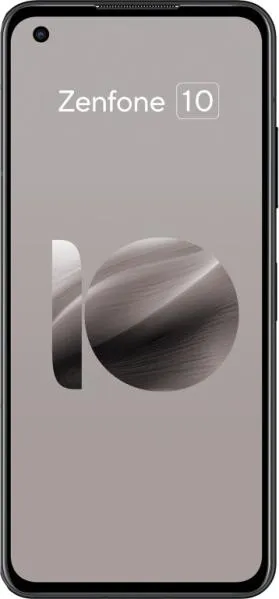
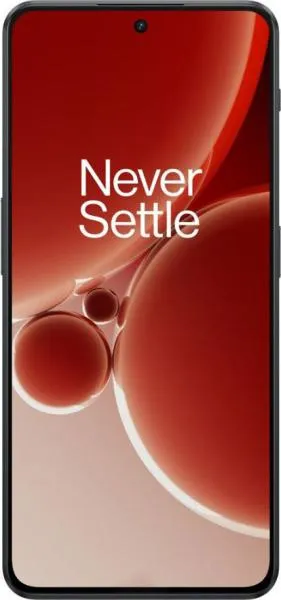
| Dimensions (mm) | 146.5 x 68.1 x 9.4 | 162 x 75.1 x 8.2 | Zenfone 10 is significantly smaller and more pocketable; Nord 3 is larger, potentially less comfortable for one-handed use. |
| Weight (g) | 172 | 193.5 | Zenfone 10 is noticeably lighter, reducing hand fatigue during extended use. |
| Display | |||
| Size (inches) | 5.92 | 6.74 | Nord 3 offers a larger display for more immersive media consumption; Zenfone 10 prioritizes one-handed usability. |
| Resolution (px) | 1080 x 2400 | 1240 x 2772 | Nord 3 has a slightly sharper display due to higher resolution and larger size. |
| Refresh Rate (Hz) | 144 | 120 | Zenfone 10's higher refresh rate results in smoother animations and scrolling. |
| Peak Brightness (nits) | 1100 | 1450 | Nord 3's display will be more visible in direct sunlight. |
| Performance | |||
| Chipset | Snapdragon 8 Gen 2 | Dimensity 9000 | Both are powerful chipsets, but Snapdragon 8 Gen 2 generally benchmarks higher in graphics and AI performance. Real-world differences might be subtle for average users. |
| CPU | Octa-core (up to 3.2 GHz) | Octa-core (up to 3.05 GHz) | Both offer excellent CPU performance; differences in everyday tasks will likely be minimal. |
| GPU | Adreno 740 | Mali-G710 MC10 | Adreno 740 generally provides better gaming performance. |
| RAM (GB) | 8/16 | 8/16 | Both offer ample RAM for multitasking. |
| Camera | |||
| Main Camera (MP) | 50 (Sony IMX766) | 50 (Sony IMX890) | Both use high-quality sensors; image quality differences will likely depend more on software processing. |
| Ultrawide (MP) | 13 | 8 | Zenfone 10 has a higher resolution ultrawide, potentially capturing more detail. |
| Macro (MP) | N/A (integrated into ultrawide) | 2 | Dedicated macro lens on Nord 3 might offer slightly better close-up shots. |
| Video | 8K@24fps, 4K@60fps | 4K@60fps | Zenfone 10 offers 8K video recording, although practical use cases for 8K are limited. |
| Battery | |||
| Capacity (mAh) | 4300 | 5000 | Nord 3 has a significantly larger battery, likely resulting in longer battery life. |
2. Key Differences Analysis
Asus Zenfone 10 Advantages:
- Compact Size: Significantly smaller and lighter, ideal for one-handed use.
- Higher Refresh Rate Display: Smoother scrolling and animations.
- More Powerful GPU: Better for demanding games.
- 8K Video Recording: Offers higher resolution video recording, though practical benefits are debatable.
OnePlus Nord 3 Advantages:
- Larger Display: More immersive experience for media consumption.
- Higher Peak Brightness: Better visibility in sunlight.
- Larger Battery: Potentially much longer battery life.
- Lower Price: Generally more affordable for similar storage configurations.
3. User Profiles & Recommendations
Asus Zenfone 10: Ideal for users who prioritize a compact, powerful phone with a smooth display. Excellent for one-handed use, gaming, and those who value portability.
OnePlus Nord 3: Best suited for users who prefer a large display for media consumption, long battery life, and value for money. Excellent for multimedia enthusiasts, casual gamers, and those who prioritize all-day battery life.
4. Decision Framework
Key Questions for Buyers:
- How important is one-handed usability and portability?
- Do you prioritize a large display for media consumption or a smaller, more pocketable device?
- How important is battery life versus peak performance?
Scenario-Based Recommendations:
- Frequent traveler: Zenfone 10 for its compact size and portability.
- Heavy media consumer: Nord 3 for its larger display and battery.
- Mobile gamer: Zenfone 10 for its superior GPU.
- Budget-conscious buyer: Nord 3 for its lower price.
My Choice: Asus Zenfone 10
While the OnePlus Nord 3 offers a compelling package with its larger display and battery, I would choose the Asus Zenfone 10. The compact form factor is a major draw for me, as I prioritize one-handed usability and pocketability. The Snapdragon 8 Gen 2's superior performance, especially the GPU, is also a significant factor, as I enjoy mobile gaming. Although the battery is smaller, I'm willing to compromise on battery life for the significant gains in portability and performance. The higher refresh rate display further enhances the user experience, making the Zenfone 10 feel more premium and responsive. While the Nord 3 offers excellent value, the Zenfone 10 better aligns with my personal preferences and usage patterns.
