1. Specifications Comparison
| Feature | Asus Zenfone 10 | Nothing Phone (2a) | Practical Impact |
|---|---|---|---|
| Design | |||
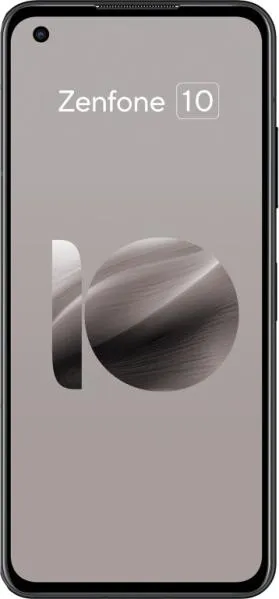
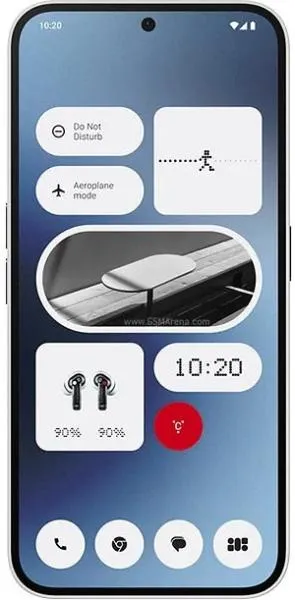
| Dimensions (mm) | 146.5 x 68.1 x 9.4 | 161.7 x 76.3 x 8.6 | Zenfone 10 is significantly smaller and more pocketable. Phone (2a) is larger, potentially less comfortable for one-handed use. |
| Weight (g) | 172 | 190 | Zenfone 10 is noticeably lighter, reducing hand fatigue during extended use. |
| Display | |||
| Size (inches) | 5.92 | 6.7 | Phone (2a) offers a larger screen for more immersive media consumption and multitasking. Zenfone 10 prioritizes one-handed usability. |
| Resolution | 1080 x 2400 | 1080 x 2412 | Similar pixel density, minimal practical difference in sharpness. |
| Refresh Rate (Hz) | 144 | 120 | Zenfone 10's higher refresh rate delivers smoother scrolling and animations. |
| Peak Brightness (nits) | 1100 | 1300 | Phone (2a) might be slightly more visible in direct sunlight. |
| Performance | |||
| Chipset | Snapdragon 8 Gen 2 | Dimensity 7200 Pro | Snapdragon 8 Gen 2 offers significantly better CPU and GPU performance, resulting in faster app loading, smoother gaming, and better multitasking. |
| RAM (GB) | 8/16 | 12 | While both offer ample RAM, the Phone (2a)'s 12GB may provide a slight edge in heavy multitasking, keeping more apps open in the background. |
| Camera | |||
| Main Camera (MP) | 50 (Sony IMX766) | 50 (Samsung GN9) | Both utilize high-quality sensors; image quality differences will likely depend on software processing. |
| Ultrawide (MP) | 13 | 50 | Phone (2a) boasts a much higher resolution ultrawide, capturing more detail and offering greater flexibility. |
| Video Recording | Up to 8K@24fps | Up to 4K@30fps | Zenfone 10 offers higher resolution video recording. |
| Battery | |||
| Capacity (mAh) | 4300 | 5000 | Phone (2a)'s larger battery likely translates to longer battery life. |
2. Key Differences Analysis
Asus Zenfone 10 Advantages:
- Significantly more compact and lighter: Better for one-handed use and portability.
- Higher refresh rate display: Smoother user experience.
- More powerful processor: Superior performance for demanding tasks and gaming.
- Higher resolution video recording: Captures more detail in videos.
Nothing Phone (2a) Advantages:
- Larger display: More immersive media consumption.
- Higher resolution ultrawide camera: Wider field of view and more detail in shots.
- Larger battery: Longer battery life.
- Potentially more affordable: Depending on specific configurations.
3. User Profiles & Recommendations
Zenfone 10: Users who prioritize a compact, powerful phone with a smooth display. Ideal for one-handed use, gaming, and demanding tasks.
Phone (2a): Users who prefer a larger display for media consumption and prioritize battery life. Suitable for casual gaming, everyday tasks, and photography enthusiasts who value a high-quality ultrawide lens.
4. Decision Framework
Key Questions for Buyers:
- How important is one-handed usability and portability?
- Do you prioritize performance or battery life?
- What is your budget and which phone offers better value at that price point?
My Choice: Asus Zenfone 10
While the Nothing Phone (2a) offers a compelling package with its large display and battery, I would choose the Asus Zenfone 10. The significantly more powerful Snapdragon 8 Gen 2, smoother 144Hz display, and compact form factor are more aligned with my personal priorities. I value a smooth and responsive user experience, and the Zenfone 10 delivers that in a pocketable design. The superior processing power future-proofs the device better for demanding tasks and gaming. While battery life is important, I'm willing to compromise slightly for the significant performance and usability advantages offered by the Zenfone 10. The higher resolution video recording capability is also a significant factor for me. Ultimately, the Zenfone 10 provides a more premium and powerful experience that outweighs the benefits of the Phone (2a) for my specific needs.
