1. Specifications Comparison
| Feature | Asus Zenfone 10 | Nothing Phone (2) | Practical Impact |
|---|---|---|---|
| Design | |||
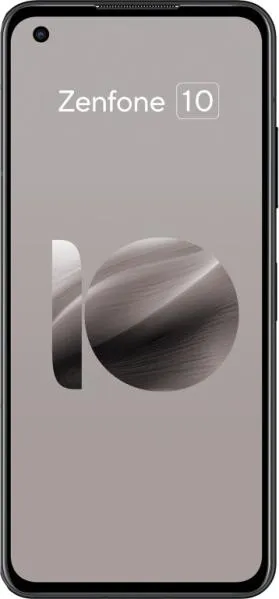
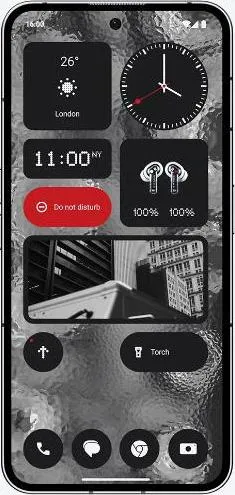
| Dimensions (mm) | 146.5 x 68.1 x 9.4 | 162.1 x 76.4 x 8.6 | Zenfone 10 is significantly smaller and more pocketable. Phone (2) is larger, potentially less comfortable for one-handed use. |
| Weight (g) | 172 | 201.2 | Zenfone 10 is noticeably lighter, reducing hand fatigue during extended use. |
| Display | |||
| Size (inches) | 5.92 | 6.7 | Phone (2) offers a larger screen for more immersive media consumption and multitasking. Zenfone 10 is better for one-handed use. |
| Resolution (px) | 1080 x 2400 | 1080 x 2412 | Similar sharpness due to size difference; Phone (2) has slightly lower PPI (394 vs 445). Negligible real-world difference. |
| Type | Super AMOLED, 144Hz | LTPO OLED, 120Hz | Both offer excellent color and contrast. Zenfone 10's 144Hz provides smoother animations, while Phone (2)'s LTPO panel enables dynamic refresh rate adjustment for better battery life. |
| Peak Brightness (nits) | 1100 | 1600 | Phone (2) will be significantly brighter outdoors. |
| Performance | |||
| Chipset | Snapdragon 8 Gen 2 | Snapdragon 8+ Gen 1 | Zenfone 10 boasts a newer, more powerful processor, leading to faster performance, better efficiency, and improved thermals. |
| RAM (GB) | 8/16 | 12 | Phone (2)'s larger RAM capacity can handle more demanding multitasking. Differences might be noticeable with heavy app usage. |
| Camera | |||
| Main Camera (MP) | 50 (Sony IMX766) | 50 (Sony IMX890) | Both use high-quality sensors. Practical image quality differences would depend on image processing. |
| Ultrawide (MP) | 13 | 50 | Phone (2) has a significantly higher resolution ultrawide, offering greater detail and flexibility. |
| Video | 8K@24fps, 4K@60fps | 4K@60fps | Zenfone 10 offers 8K recording, although practical benefits are limited. Both can record high-quality 4K video. |
| Battery | |||
| Capacity (mAh) | 4300 | 4700 | Phone (2) has a larger battery, potentially leading to longer battery life. However, real-world endurance depends on factors like display size and processor efficiency. |
2. Key Differences Analysis
Asus Zenfone 10 Advantages:
- Significantly more compact and lighter: Better for one-handed use and portability.
- More powerful processor: Faster and more efficient performance.
- Higher refresh rate display: Smoother animations and scrolling.
Nothing Phone (2) Advantages:
- Larger display: More immersive media consumption.
- Brighter display: Better visibility in sunlight.
- Larger battery: Potential for longer battery life.
- Higher resolution ultrawide camera: More detailed and versatile wide-angle shots.
- More RAM: Better for heavy multitasking.
3. User Profiles & Recommendations
Asus Zenfone 10: Users who prioritize one-handed usability, portability, and top-tier performance. Ideal for those who prefer a compact phone without sacrificing performance.
Nothing Phone (2): Users who value a large, bright display for media consumption, gaming, and multitasking. Suitable for those who prioritize screen real estate and a unique design.
4. Decision Framework
Key Questions:
- How important is one-handed usability and portability?
- Do you prioritize the latest performance or a larger display and battery?
- What is your budget, and which phone offers the best value for your needs?
Scenario-Based Recommendations:
- Heavy user needing top performance and portability: Zenfone 10.
- Media consumer who prioritizes a large, bright display: Phone (2).
- Budget-conscious user wanting a balance of features: Consider both, focusing on specific needs and price differences.
My Choice: Asus Zenfone 10
While the Nothing Phone (2) has its allure with the unique design and larger display, I would choose the Asus Zenfone 10. The compact size, lighter weight, and significantly more powerful processor are major selling points for me. I value portability and performance over a slightly larger screen and battery. The Zenfone 10's 144Hz display also appeals to my preference for smooth animations. While the Phone (2) has a better ultrawide camera, the overall camera experience likely wouldn't be drastically different in everyday use. Ultimately, the Zenfone 10's form factor and performance align better with my personal priorities.
