1. Specifications Comparison
| Feature | Asus Zenfone 10 | Motorola Razr 50 Ultra | Practical Impact |
|---|---|---|---|
| Design | |||
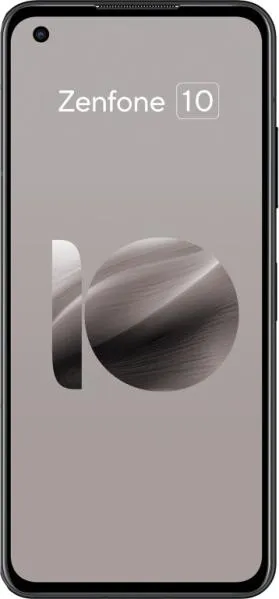
| Dimensions (mm) | 146.5 x 68.1 x 9.4 | 171.4 x 74 x 7.1 | Zenfone 10 significantly smaller and more pocketable; Razr 50 Ultra thinner when unfolded but much larger overall due to folding design. |
| Weight (g) | 172 | 189 | Zenfone 10 noticeably lighter, reducing hand fatigue. |
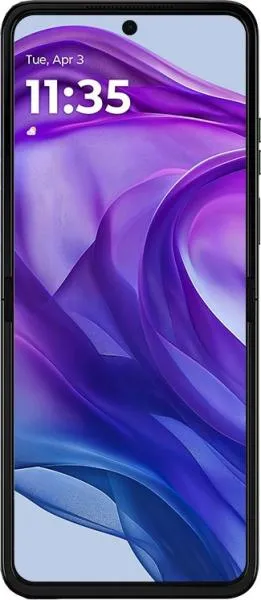
| Foldable | No | Yes | Razr 50 Ultra offers a larger screen in a compact folded size, but with added complexity and potential durability concerns. |
| Display | |||
| Size (inches) | 5.92 | 6.9 | Razr 50 Ultra provides a much larger screen area for media consumption and multitasking. |
| Resolution (px) | 1080 x 2400 | 1080 x 2640 | Similar pixel density due to size difference; both offer sharp visuals. |
| Refresh Rate (Hz) | 144 | 165 | Razr 50 Ultra has a slightly higher refresh rate, potentially resulting in smoother animations, but the difference might be imperceptible to most users. |
| Peak Brightness (nits) | 1100 | 3000 | Razr 50 Ultra significantly brighter, ensuring better outdoor visibility. |
| Display Type | Super AMOLED | Foldable LTPO AMOLED | Razr's LTPO panel can dynamically adjust refresh rate for power saving. Foldable screen introduces a crease and potential durability concerns. |
| Performance | |||
| Chipset | Snapdragon 8 Gen 2 | Snapdragon 8+ Gen 1 | Zenfone 10 has a newer, more powerful and efficient chipset, leading to better performance and battery life. |
| CPU | Octa-core (1x3.2 GHz Cortex-X3 & 2x2.8 GHz Cortex-A715 & 2x2.8 GHz Cortex-A710 & 3x2.0 GHz Cortex-A510) | Octa-core (1x3.0 GHz Cortex-X4 & 4x2.8 GHz Cortex-A720 & 3x2.0 GHz Cortex-A520) | Zenfone 10's CPU boasts a newer architecture, translating to faster processing speeds in demanding tasks and better power efficiency. |
| GPU | Adreno 740 | Adreno 735 | Zenfone 10's GPU offers superior graphics performance for gaming and visually intensive applications. |
| RAM (GB) | 8/16 | 12 | Razr 50 Ultra offers more RAM, beneficial for multitasking and keeping apps in memory. |
| Camera | |||
| Main Camera (MP) | 50 (Sony IMX766) | 50 (Samsung GN8) | Both have high-resolution sensors; image quality will depend on processing and lens quality, not solely on megapixel count. More details on sensor performance are needed to make a conclusive comparison. |
| Secondary Camera | 13 MP Wide Angle + Macro | 13 MP Telephoto + Portrait | Different secondary camera functionalities cater to different needs. Zenfone offers versatility with wide and macro, while Razr offers optical zoom for better portrait and distant shots. |
| Battery | |||
| Capacity (mAh) | 4300 | 4000 | Zenfone 10 has a slightly larger battery capacity, potentially leading to longer battery life, though real-world usage will depend on other factors like display size and chipset efficiency. |
2. Key Differences Analysis
Asus Zenfone 10 Advantages:
- Significantly more compact and lighter: Easier to handle and carry.
- Newer and more powerful chipset: Better performance and potentially longer battery life.
- Potentially longer battery life: Combination of larger battery and efficient chip.
Motorola Razr 50 Ultra Advantages:
- Larger, foldable display: Immersive media consumption and multitasking experience.
- Higher peak brightness: Excellent outdoor visibility.
- More RAM: Smoother multitasking with less frequent app reloading.
- External display provides quick access to notifications and specific apps: Increased convenience for checking information without opening the main display
3. User Profiles & Recommendations
Asus Zenfone 10: Ideal for users prioritizing one-handed usability, portability, and all-around performance with long battery life. Suitable for those who value a compact phone without compromising on power.
Motorola Razr 50 Ultra: Best suited for users who want a large screen for media consumption and multitasking in a pocketable form factor. Ideal for those who value innovation and are willing to pay a premium for the foldable design and its unique features like the external display.
4. Decision Framework
Key Questions for Buyers:
- How important is portability and one-handed use?
- Do you prioritize a large screen for media and multitasking or a compact, pocketable design?
- Are you willing to pay a premium for the foldable form factor and its potential trade-offs (durability, crease)?
My Choice: Asus Zenfone 10
While the Razr 50 Ultra offers a captivating large screen and innovative foldable design, the Zenfone 10 aligns better with my personal priorities. I value a compact and lightweight phone that can easily be used with one hand. The Zenfone 10's superior performance due to the newer chipset, combined with its longer battery life and more affordable price, makes it the more compelling choice for me. While the Razr's external display is convenient, it's not a feature that outweighs the benefits of the Zenfone 10 for my usage. I prioritize performance, battery life, and ease of use over a larger screen and the novelty of a foldable design.
