1. Specifications Comparison
| Feature | Asus Zenfone 10 | Motorola Razr 50 | Practical Impact |
|---|---|---|---|
| Design | |||
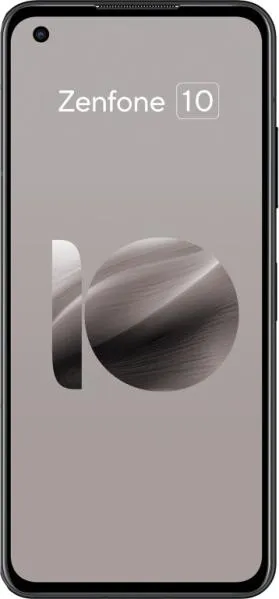
| Dimensions (mm) | 146.5 x 68.1 x 9.4 | 171.3 x 74 x 7.3 | Razr 50 is significantly taller and wider when unfolded, but much thinner when folded. Zenfone 10 is more pocketable for daily use. |
| Weight (g) | 172 | 188.4 | Zenfone 10 is noticeably lighter, reducing hand fatigue during extended use. |
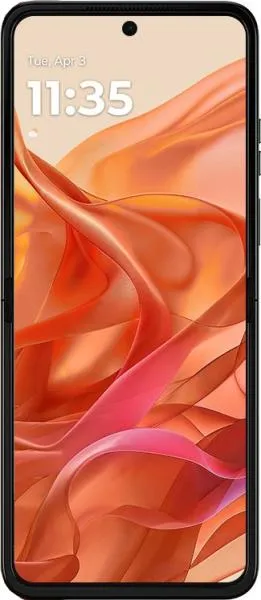
| Foldable | No | Yes | Razr 50 offers a larger screen in a compact folded size, but introduces a crease and potential durability concerns. |
| Display | |||
| Size (inches) | 5.92 | 6.9 | Razr 50's larger display provides more immersive content consumption. |
| Resolution (px) | 1080 x 2400 | 1080 x 2640 | Similar pixel density, but Razr 50's larger screen offers more screen real estate. |
| Refresh Rate (Hz) | 144 | 120 | Zenfone 10's higher refresh rate results in smoother animations and scrolling. |
| Panel Type | Super AMOLED | Foldable LTPO AMOLED | Both offer vibrant colors and deep blacks, but Razr 50's LTPO panel can dynamically adjust refresh rate for power saving. |
| Peak Brightness (nits) | 1100 | 3000 | Razr 50 is significantly brighter, ensuring better visibility in direct sunlight. |
| Performance | |||
| Chipset | Snapdragon 8 Gen 2 | Dimensity 7300X | Snapdragon 8 Gen 2 offers significantly better CPU and GPU performance, leading to faster app loading, smoother gaming, and better multitasking. |
| RAM (GB) | 8/16 | 12 | Both offer ample RAM for smooth multitasking, but the Razr 50's larger RAM configuration can better handle demanding applications. |
| Camera | |||
| Main Camera (MP) | 50 (Sony IMX766) | 50 | Both have 50MP main sensors, but Zenfone 10 specifies a high-quality Sony sensor, suggesting potentially better image quality. Information about the Razr 50's sensor is missing. |
| Video Recording | Up to 8K@24fps | Up to 4K@30fps | Zenfone 10 offers higher resolution video recording. |
| Battery | |||
| Capacity (mAh) | 4300 | 4200 | Similar battery capacities, but real-world battery life will depend on usage and software optimization. |
2. Key Differences Analysis
Asus Zenfone 10 Advantages:
- Superior Performance: Snapdragon 8 Gen 2 provides a significant performance advantage for demanding tasks.
- Smoother Display: 144Hz refresh rate delivers a more fluid user experience.
- Higher Resolution Video: Capable of recording 8K video.
- Compact and Lightweight: More pocketable and comfortable for one-handed use.
- Potentially Better Main Camera: Utilizes a known high-quality Sony IMX766 sensor.
Motorola Razr 50 Advantages:
- Larger, Foldable Display: Offers a bigger screen for immersive content when unfolded, and a compact size when folded.
- Brighter Display: 3000 nits peak brightness ensures excellent outdoor visibility.
- More RAM in Top Configuration: 12GB RAM option provides headroom for future-proofing.
- Novelty Factor: The foldable design is unique and attention-grabbing.
3. User Profiles & Recommendations
Asus Zenfone 10: Ideal for users who prioritize performance, a smooth display, compact size, and potentially better camera quality. Suitable for power users, mobile gamers, and those who value one-handed usability.
Motorola Razr 50: Best suited for users who want a large screen for media consumption in a pocketable device. Appeals to those who value novelty and are willing to compromise on performance for the foldable form factor.
4. Decision Framework
Key Questions for Buyers:
- Performance vs. Portability: Do you prioritize raw processing power and a smooth display, or a large, foldable screen with greater portability?
- Content Consumption vs. Creation: Is your primary use case media consumption or content creation (e.g., photography, video recording)?
- Budget and Value: Consider the price difference between configurations and assess which phone offers the best value for your specific needs.
My Choice: Asus Zenfone 10
While the Razr 50's foldable design is intriguing, the Zenfone 10's superior performance, smoother display, and likely better camera make it a more compelling overall package for me. I prioritize a fluid user experience and consistent performance, which the Snapdragon 8 Gen 2 delivers. The Zenfone 10's compact form factor is also a significant plus for daily usability. The Razr 50's potential durability concerns and the inherent crease in foldable displays are also factors in my decision. Ultimately, the Zenfone 10 provides a more well-rounded and powerful smartphone experience for my needs.
