1. Specifications Comparison
| Feature | Asus Zenfone 10 | Motorola Moto G85 | Practical Impact |
|---|---|---|---|
| Design | |||
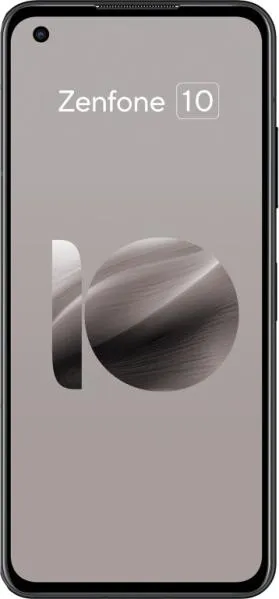
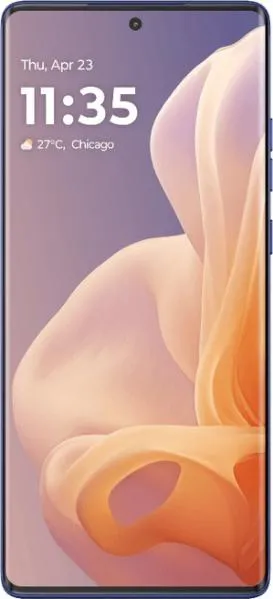
| Dimensions (mm) | 146.5 x 68.1 x 9.4 | 161.9 x 73.1 x 7.6 | Zenfone 10 is significantly smaller and more pocketable. Moto G85 is larger, offering a more immersive media experience but less one-handed usability. |
| Weight (g) | 172 | 171 | Negligible weight difference. |
| Display | |||
| Size (inches) | 5.92 | 6.67 | Moto G85 offers a larger screen for media consumption and multitasking. Zenfone 10's smaller display benefits one-handed use. |
| Resolution (px) | 1080 x 2400 | 1080 x 2400 | Identical resolution, but Zenfone 10's smaller size results in a sharper image (445 PPI vs 395 PPI). |
| Type | Super AMOLED, 144Hz | P-OLED, 120Hz | Both offer vivid colors and smooth scrolling. Zenfone 10's 144Hz potentially provides smoother gaming, while AMOLED generally offers deeper blacks. The Moto G85's claimed peak brightness is higher. |
| Performance | |||
| Chipset | Snapdragon 8 Gen 2 | Snapdragon 6s Gen 3 | Zenfone 10 boasts a flagship-level processor, ensuring significantly faster performance, smoother multitasking, and better gaming capabilities compared to the mid-range Moto G85. |
| CPU | Octa-core (up to 3.2 GHz) | Octa-core (up to 2.3 GHz) | Zenfone 10's CPU offers superior clock speeds and architecture, translating to noticeable performance gains in demanding tasks. |
| RAM | 8/16GB | 12GB | While the Moto G85 has more RAM in this configuration, Zenfone 10's superior processor and optimization may still offer comparable multitasking performance. RAM size matters less with better SoCs. |
| Camera | |||
| Main Camera | 50MP, Sony IMX766 | 50MP | Both have the same resolution, but sensor quality information on the G85 is missing, making a direct comparison impossible. Zenfone 10 provides more details about its camera features like the larger sensor. |
| Video | Up to 8K@24fps | Up to 1080p@60fps | Zenfone 10 offers significantly better video recording capabilities, including higher resolution and frame rates. |
| Battery | |||
| Capacity (mAh) | 4300 | 5000 | Moto G85 has a larger battery, potentially offering longer battery life. However, Zenfone 10's more efficient processor might mitigate this difference. |
2. Key Differences Analysis
Zenfone 10 Advantages:
- Significantly faster performance: The Snapdragon 8 Gen 2 is a flagship processor, offering a major performance advantage over the Moto G85's mid-range chip.
- Superior camera capabilities: Higher resolution video recording (up to 8K) and more detailed camera specifications suggest better overall image and video quality, though sensor comparison is limited.
- More compact and premium design: Smaller dimensions and higher PPI density offer a more pocketable and visually appealing device. Higher refresh rate display.
Moto G85 Advantages:
- Larger battery: Potentially longer battery life, although real-world usage will depend on various factors.
- Larger display: More immersive experience for media consumption and multitasking. In this configuration, more RAM. Lower price.
Trade-offs:
- Performance vs. Battery Life: Zenfone 10 prioritizes performance, potentially at the cost of battery life compared to the Moto G85.
- Size and Portability: Zenfone 10 is more compact and pocketable, while Moto G85 offers a larger display for media consumption.
3. User Profiles & Recommendations
Zenfone 10: Users who prioritize performance, a compact form factor, a premium feel, and advanced camera features. Ideal for demanding tasks, gaming, and content creation.
Moto G85: Users who prioritize battery life, a large display for media consumption, and affordability. Suitable for everyday tasks, browsing, and casual gaming. Good value proposition for less intensive use cases.
4. Decision Framework
Key Questions for Buyers:
- What is your budget? The Zenfone 10 is positioned in a higher price bracket than the Moto G85.
- What are your primary use cases? Gaming, content creation, and demanding tasks benefit from the Zenfone 10's performance. Media consumption and casual use are well-suited for the Moto G85.
- Do you prefer a compact or large phone? The Zenfone 10 is significantly smaller than the Moto G85.
My Choice: Asus Zenfone 10
While the Moto G85 offers a compelling value proposition with its large battery and display, I would choose the Asus Zenfone 10. The significant performance difference due to the Snapdragon 8 Gen 2 is crucial for my usage, which includes demanding tasks and occasional mobile gaming. The compact form factor is also highly appealing. I am willing to compromise slightly on battery life for the significant gains in performance, premium feel, and superior camera capabilities. The higher refresh rate screen also appeals to me for smoother scrolling and gaming. While price is a factor, the overall user experience offered by the Zenfone 10 aligns better with my needs and preferences.
