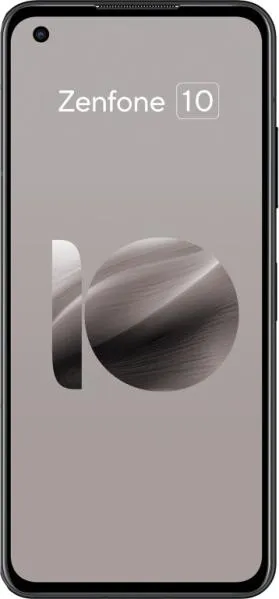
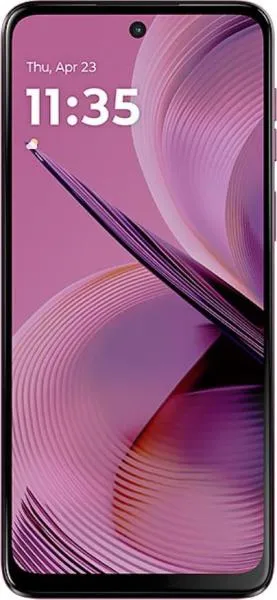
1. Specifications Comparison
| Feature | Asus Zenfone 10 | Motorola Moto G55 | Practical Impact |
|---|---|---|---|
| Design | |||
| Dimensions (mm) | 146.5 x 68.1 x 9.4 | 161.6 x 73.8 x 8.1 | Zenfone 10 is significantly smaller and more pocketable. Moto G55 is larger, potentially less comfortable for one-handed use. |
| Weight (g) | 172 | 179 | Negligible weight difference; both feel relatively light. |
| Build Material | Not specified | Not specified | Cannot compare build quality and durability without this information. |
| Display | |||
| Display Type | 5.92" Super AMOLED, 144Hz | 6.49" IPS LCD, 120Hz | Zenfone 10: Deeper blacks, vibrant colors, smoother scrolling due to higher refresh rate. Moto G55: Larger screen for media consumption, potentially less vibrant colors. |
| Resolution | 1080 x 2400 | 1080 x 2400 | Similar sharpness due to Zenfone 10's smaller screen size resulting in higher pixel density (445 vs 405 ppi). |
| Peak Brightness | 1100 nits | Not specified | Zenfone 10 should offer better visibility in direct sunlight. Impact on Moto G55 is unknown without peak brightness data. |
| Performance | |||
| Chipset | Snapdragon 8 Gen 2 | MediaTek Dimensity 7025 | Zenfone 10 offers significantly more powerful CPU and GPU, resulting in smoother multitasking, faster app loading, and better gaming performance. |
| CPU | Octa-core (up to 3.2 GHz) | Octa-core (up to 2.5 GHz) | Zenfone 10's higher clock speeds and more powerful cores provide a noticeable performance advantage. |
| RAM | 8GB/16GB | 8GB | Both offer sufficient RAM for most tasks, though the 16GB option on the Zenfone 10 provides more headroom for future-proofing. |
| Storage | 128GB/256GB/512GB | 128GB/256GB | Zenfone 10 offers more storage options, catering to users with larger storage needs. |
| Camera | |||
| Main Camera | 50MP, Sony IMX766, f/1.9 | 50MP, f/1.8 | Zenfone 10 uses a known high-quality sensor (IMX766), likely resulting in better image quality. Sensor details lacking for Moto G55 make direct comparison difficult. |
| Video Recording | Up to 8K@24fps | Up to 1080p@60fps | Zenfone 10 offers significantly higher resolution video recording capabilities. |
| Battery | |||
| Capacity | 4300 mAh | 5000 mAh | Moto G55 has a larger battery, potentially leading to longer battery life. However, Zenfone 10's more efficient processor could offset this difference. Real-world usage will vary. |
2. Key Differences Analysis
Zenfone 10 Advantages:
- Significantly more powerful: Snapdragon 8 Gen 2 offers a substantial performance leap over the Dimensity 7025.
- Higher quality display: Super AMOLED with 144Hz provides vibrant colors and smoother scrolling.
- Superior camera system: Known high-quality sensor and 8K video recording.
- More compact form factor: Easier for one-handed use and portability.
Moto G55 Advantages:
- Larger battery: Potentially longer battery life, though real-world usage depends on various factors.
- Lower price: Offers a more budget-friendly option.
3. User Profiles & Recommendations
Zenfone 10: Users who prioritize performance, a premium display, a compact size, and excellent camera capabilities. Ideal for demanding tasks, mobile gaming, and content creation.
Moto G55: Users seeking a budget-friendly option with a large screen and potentially long battery life. Suitable for casual usage, media consumption, and less demanding tasks.
4. Decision Framework
Key Questions for Buyers:
- What is your budget? The Moto G55 is significantly cheaper.
- What level of performance do you need? The Zenfone 10 is a performance powerhouse, while the Moto G55 is sufficient for everyday tasks.
- Do you prioritize size and portability or a larger display? The Zenfone 10 is compact, while the Moto G55 has a larger screen.
My Choice: Asus Zenfone 10
While the Moto G55 offers a compelling price, the Zenfone 10's superior performance, display, and camera system make it the clear winner for me. I value a smooth and responsive user experience, which the Snapdragon 8 Gen 2 delivers in spades. The compact form factor is also a major plus for me. I'm willing to pay the premium for the significant upgrade in overall quality and user experience. The higher refresh rate AMOLED display and confirmed high quality main camera sensor significantly enhance daily usage. While battery life is a concern, I prioritize performance and features over slightly extended battery duration.
