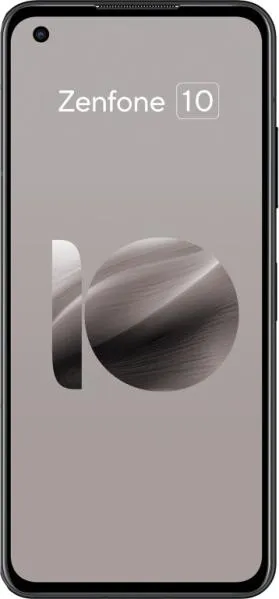
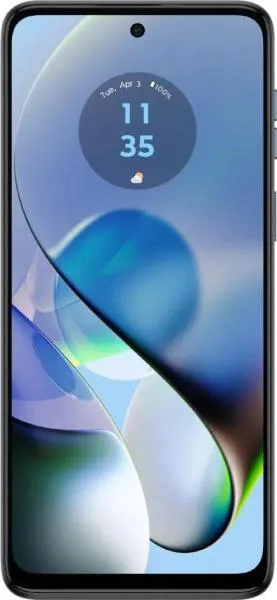
1. Specifications Comparison
| Feature | Asus Zenfone 10 | Motorola Moto G54 | Practical Impact |
|---|---|---|---|
| Design | |||
| Dimensions (mm) | 146.5 x 68.1 x 9.4 | 161.6 x 73.8 x 8.0 | Zenfone 10 is significantly smaller and more pocketable. Moto G54 is larger, potentially less comfortable for one-handed use. |
| Weight (g) | 172 | 177 | Negligible weight difference. |
| Build | Not specified | Not specified | Build quality and materials impact durability and premium feel; information lacking here. |
| Display | |||
| Size (inches) | 5.92 | 6.5 | Zenfone 10 offers a more compact display; Moto G54 provides a larger viewing area. |
| Resolution | 1080 x 2400 | 1080 x 2400 | Identical resolution, but Zenfone 10's smaller size results in a sharper image (445 ppi vs 405 ppi). |
| Type | Super AMOLED, 144Hz | IPS LCD, 120Hz | Zenfone 10's AMOLED offers deeper blacks, vibrant colors, and potentially better power efficiency. Its higher refresh rate results in smoother animations. Moto G54's IPS LCD is generally less vibrant but can be brighter in direct sunlight. |
| Performance | |||
| Chipset | Snapdragon 8 Gen 2 | MediaTek Dimensity 7020 | Zenfone 10's Snapdragon 8 Gen 2 provides significantly more powerful CPU and GPU performance, enabling smoother multitasking, demanding gaming, and faster app loading. |
| RAM | 8GB | 8GB | Identical RAM capacity. |
| Storage | Up to 512GB | Up to 256GB | Zenfone 10 offers a higher maximum storage option. |
| Camera | |||
| Main Camera | 50MP, Sony IMX766, f/1.9, OIS, Gimbal Stabilization | 50MP, f/1.8, OIS | Both have 50MP main sensors, but Zenfone 10 benefits from the well-regarded Sony IMX766 sensor and a 6-axis gimbal stabilization for significantly improved video stability. Missing sensor details for the Moto G54 limit comparison. |
| Video Recording | Up to 8K@24fps | Up to 1080p@60fps | Zenfone 10 offers superior video resolution and frame rate options. |
| Battery | |||
| Capacity | 4300 mAh | 5000 mAh | Moto G54 has a larger battery capacity, potentially leading to longer battery life. However, real-world battery life depends on numerous factors including display type and processor efficiency. |
2. Key Differences Analysis
Zenfone 10 Advantages:
- Significantly more powerful: Snapdragon 8 Gen 2 provides a substantial performance advantage.
- Superior display: AMOLED with 144Hz offers better colors, contrast, and smoothness.
- More advanced camera system: Sony IMX766 sensor, gimbal stabilization, and 8K video recording.
- More compact and pocketable: Smaller dimensions and lighter weight.
Moto G54 Advantages:
- Larger battery: 5000 mAh battery potentially offers longer battery life.
- Lower price: Significantly more affordable.
Trade-offs:
- Zenfone 10 prioritizes performance, display, and camera quality over battery life and affordability.
- Moto G54 compromises on performance and features for a larger battery and lower price point.
3. User Profiles & Recommendations
Zenfone 10 Ideal User:
- Power users demanding top-tier performance for gaming, multitasking, and demanding applications.
- Users prioritizing a compact, pocketable phone with a premium display and camera.
- Content creators who value high-quality video recording and stability.
Moto G54 Ideal User:
- Budget-conscious users prioritizing affordability and long battery life.
- Users who prefer a larger display for media consumption.
- Users with less demanding usage patterns focused on basic tasks like communication and web browsing.
4. Decision Framework
Key Questions for Buyers:
- What is your budget? The Moto G54 is significantly cheaper.
- What level of performance do you need? Zenfone 10 offers flagship-level performance, while Moto G54 is a mid-range device.
- What are your priorities in a smartphone? Compactness, display quality, camera capabilities, battery life, or price?
My Choice: Asus Zenfone 10
While the Moto G54 offers excellent value for its price, the Zenfone 10 aligns better with my personal preferences. I value a compact form factor, a smooth and vibrant display, and top-tier performance for demanding tasks and gaming. The advanced camera system with gimbal stabilization is a significant bonus for capturing high-quality videos. While the battery capacity is smaller, the efficiency of the Snapdragon 8 Gen 2 and AMOLED display could potentially offset this in real-world usage. The higher price is justified by the significantly improved overall experience. I am willing to compromise slightly on battery life for a more powerful and feature-rich device.
