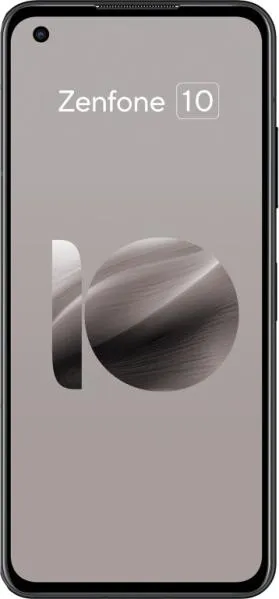
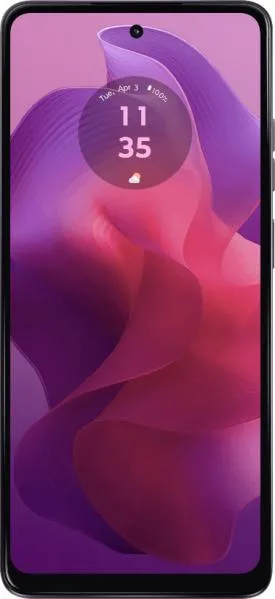
1. Specifications Comparison
| Feature | Asus Zenfone 10 | Motorola Moto G24 | Practical Impact |
|---|---|---|---|
| Design | |||
| Dimensions (mm) | 146.5 x 68.1 x 9.4 | 163.5 x 74.5 x 8 | Zenfone 10 is significantly smaller and more pocketable. Moto G24 is larger, potentially better for media consumption but less one-hand friendly. |
| Weight (g) | 172 | 181 | Zenfone 10 is noticeably lighter, reducing hand fatigue during extended use. |
| Display | |||
| Size (inches) | 5.92 | 6.56 | Moto G24 offers a larger screen for media consumption. Zenfone 10's smaller size benefits one-handed usability. |
| Resolution (px) | 1080 x 2400 | 720 x 1612 | Zenfone 10 has a much sharper display (445 ppi vs 269 ppi), resulting in crisper text and images. Moto G24's lower resolution may appear pixelated, especially when viewing fine details. |
| Type | Super AMOLED, 144Hz | IPS LCD, 90Hz | Zenfone 10's AMOLED provides deeper blacks, more vibrant colors, and higher peak brightness. The 144Hz refresh rate offers smoother animations and scrolling compared to the Moto G24's 90Hz. |
| Performance | |||
| Chipset | Snapdragon 8 Gen 2 (4 nm) | Helio G85 (12 nm) | Zenfone 10 boasts significantly more powerful CPU and GPU, translating to much faster performance in demanding tasks, gaming, and multitasking. Moto G24 is suited for basic tasks. |
| RAM (GB) | 8/16 | 4/8 | Zenfone 10 offers more RAM, enabling smoother multitasking and better performance with memory-intensive applications. |
| Camera | |||
| Main Camera (MP) | 50 (Sony IMX766) | 50 | While both have 50MP main sensors, the Zenfone 10 uses a superior Sony IMX766 sensor likely resulting in better image quality. We lack detailed sensor information for the Moto G24 to compare fully. |
| Video | 8K@24fps, 4K@60fps with EIS | 1080p@30fps | Zenfone 10 offers significantly better video recording capabilities with higher resolution and frame rates along with Electronic Image Stabilization (EIS). |
| Battery | |||
| Capacity (mAh) | 4300 | 5000 | Moto G24 has a larger battery capacity, potentially offering longer battery life. Zenfone 10's smaller battery is coupled with a more power-efficient chip, potentially offsetting the difference. |
2. Key Differences Analysis
Zenfone 10 Advantages:
- Significantly faster performance: Snapdragon 8 Gen 2 outperforms Helio G85 by a large margin.
- Superior display: AMOLED with 144Hz refresh rate offers better color accuracy, contrast, and smoothness.
- Higher quality camera: Expected to deliver better image and video quality due to Sony IMX766 sensor and advanced video capabilities.
- More compact and premium design: Smaller, lighter, and more pocketable.
Moto G24 Advantages:
- Larger battery: Potentially longer battery life.
- Lower price: Significantly more affordable.
3. User Profiles & Recommendations
Zenfone 10: Users who prioritize performance, a high-quality display, a compact form factor, and a capable camera. Ideal for demanding tasks, gaming, and content creation.
Moto G24: Budget-conscious users who prioritize battery life and basic functionality. Suitable for everyday tasks like calling, texting, web browsing, and social media. Not recommended for demanding tasks or gaming.
4. Decision Framework
Key Questions for Buyers:
- What is your budget? The Zenfone 10 is significantly more expensive.
- What are your performance needs? For demanding tasks and gaming, the Zenfone 10 is essential.
- What screen size and quality do you prefer? Larger screen (Moto G24) vs. higher quality and smoother display (Zenfone 10).
Scenario-Based Recommendations:
- Heavy user, gamer, content creator: Zenfone 10
- Casual user, budget-conscious: Moto G24
My Choice: Asus Zenfone 10
While the Moto G24 offers a larger battery and lower price, the Zenfone 10's superior performance, display, and camera make it the clear winner for me. I prioritize a smooth and responsive user experience, a high-quality display for media consumption, and a capable camera. The compact form factor is also a plus. I am willing to pay the premium for the significant upgrade in overall quality and performance. The Zenfone 10's Snapdragon 8 Gen 2, combined with the 144Hz AMOLED display, will provide a vastly superior user experience compared to the Moto G24. Even if the battery life is slightly shorter, the fast charging capabilities of modern phones mitigate this concern.
