1. Specifications Comparison
| Feature | Asus Zenfone 10 | Motorola Moto G14 | Practical Impact |
|---|---|---|---|
| Design | |||
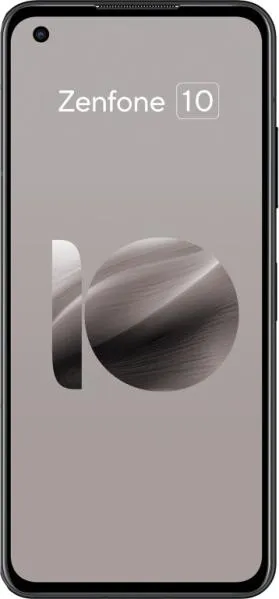
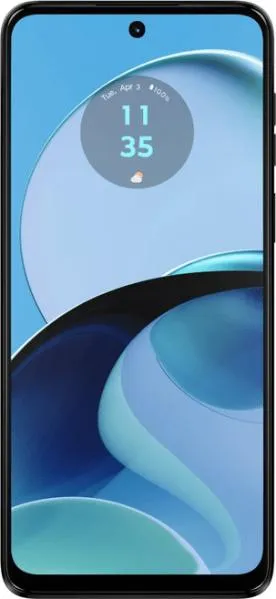
| Dimensions (mm) | 146.5 x 68.1 x 9.4 | 161.5 x 73.8 x 8 | Zenfone 10 is significantly smaller and more pocketable. Moto G14 is larger, potentially less comfortable for one-handed use. |
| Weight (g) | 172 | 177 | Negligible weight difference. |
| Build | Missing Information | Missing Information | Build materials impact durability and premium feel. Unable to compare without details. |
| Display | |||
| Size (inches) | 5.92 | 6.5 | Moto G14 offers a larger screen for media consumption, but may be less comfortable for one-handed use. Zenfone 10's smaller size promotes portability. |
| Resolution (px) | 1080 x 2400 | 1080 x 2400 | Same resolution, but Zenfone 10's smaller screen results in a sharper image (higher PPI). |
| Type | Super AMOLED, 144Hz | IPS LCD | Zenfone 10's AMOLED provides more vibrant colors, deeper blacks, and smoother scrolling thanks to the 144Hz refresh rate. Moto G14's LCD is less power-efficient and has less impressive visuals. |
| Performance | |||
| Chipset | Snapdragon 8 Gen 2 | Unisoc Tiger T616 | Zenfone 10 boasts a flagship-level processor, ensuring significantly faster performance, smoother multitasking, and better gaming capabilities compared to the Moto G14's budget chipset. |
| RAM (GB) | 8/16 | 4/8 | More RAM in the Zenfone 10 (in some configurations) allows for seamless multitasking and smoother performance with demanding apps. |
| Storage (GB) | 128/256/512 | 64/128/256 | Zenfone 10 offers a higher maximum storage option for users with large media libraries. |
| Camera | |||
| Rear Camera | 50MP (Sony IMX766) + 13MP Ultrawide | 50MP (Samsung S5KJN1) + 2MP Macro | Both have 50MP main sensors, but the Zenfone 10 utilizes a superior Sony sensor likely resulting in better image quality. Zenfone also offers a more useful ultrawide lens compared to Moto's macro lens. |
| Video Recording | Up to 8K@24fps | Up to 1080p@30fps | Zenfone 10 offers significantly higher resolution video recording capabilities. |
| Battery | |||
| Capacity (mAh) | 4300 | 5000 | Moto G14 has a larger battery capacity, potentially offering longer battery life. However, Zenfone 10's more efficient processor could offset this difference. |
2. Key Differences Analysis
Asus Zenfone 10 Advantages:
- Significantly faster performance: Snapdragon 8 Gen 2 provides a flagship-level experience.
- Superior display: AMOLED with 144Hz refresh rate delivers vibrant visuals and smooth scrolling.
- Better camera system: Higher quality main sensor and a more practical ultrawide lens.
- More compact and pocketable: Easier for one-handed use.
Motorola Moto G14 Advantages:
- Larger battery capacity: Potentially longer battery life.
- Lower price: Significantly more affordable.
3. User Profiles & Recommendations
Asus Zenfone 10: Ideal for users who prioritize performance, a premium display, a compact form factor, and a capable camera. Suitable for demanding tasks like gaming, content creation, and multitasking.
Motorola Moto G14: Best suited for budget-conscious users who prioritize battery life and basic functionality. Suitable for everyday tasks like browsing, social media, and light gaming.
4. Decision Framework
Key Questions for Buyers:
- What is your budget? The Moto G14 is significantly cheaper.
- What level of performance do you need? The Zenfone 10 offers vastly superior performance.
- What screen size do you prefer? Moto G14 has a larger screen, Zenfone 10 a more compact one.
My Choice: Asus Zenfone 10
While the Motorola Moto G14 offers excellent value for its price, the Asus Zenfone 10 is the clear winner for me. The significantly improved performance, superior display, more capable camera system, and compact form factor are all crucial aspects I value in a smartphone. I am willing to pay the premium for a device that offers a flagship-level experience and longevity. The Snapdragon 8 Gen 2 future-proofs the device for demanding tasks and upcoming software updates. While battery life is a concern, I prioritize performance and overall user experience. The compact size is a major draw for me, as I prefer one-handed usability.
