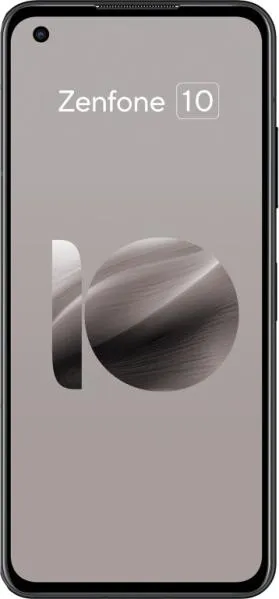
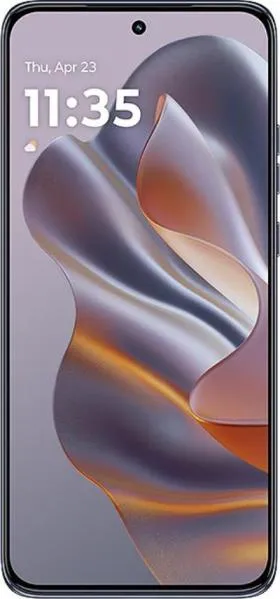
1. Specifications Comparison
| Feature | Asus Zenfone 10 | Motorola Edge 50 Neo | Practical Impact |
|---|---|---|---|
| Design | |||
| Dimensions (mm) | 146.5 x 68.1 x 9.4 | 154.1 x 71.2 x 8.1 | Zenfone 10 is significantly smaller and more pocketable. Edge 50 Neo is thinner but taller and wider. |
| Weight (g) | 172 | 171 | Negligible weight difference. |
| Display | |||
| Size (inches) | 5.92 | 6.4 | Edge 50 Neo offers a larger screen for media consumption. Zenfone 10's smaller size benefits one-handed use. |
| Resolution (px) | 1080 x 2400 | 1256 x 2760 | Edge 50 Neo has a sharper display due to higher resolution and pixel density. |
| Type | Super AMOLED, 144Hz | LTPO P-OLED, 120Hz | Both offer vibrant colors and smooth scrolling. Zenfone 10's 144Hz may provide slightly smoother gaming, while Edge 50 Neo's LTPO can dynamically adjust refresh rate for power saving. |
| Peak Brightness (nits) | 1100 | 3000 | Edge 50 Neo will be significantly more visible in direct sunlight. |
| Performance | |||
| Chipset | Snapdragon 8 Gen 2 | MediaTek Dimensity 7300 | Snapdragon 8 Gen 2 offers significantly better CPU and GPU performance, resulting in smoother multitasking, faster app loading, and superior gaming capabilities. |
| CPU | Octa-core (1x3.2 GHz...) | Octa-core (4x2.5 GHz...) | Zenfone 10's CPU architecture and higher clock speeds indicate a more powerful processor. |
| GPU | Adreno 740 | Mali-G615 MC2 | Adreno 740 provides better graphics performance for demanding games and applications. |
| RAM (GB) | 8/16 | 8/12 | Both offer ample RAM for most users, though higher RAM options are available. |
| Camera | |||
| Rear | 50MP (Sony IMX766) + 13MP | 50MP + 13MP + 10MP | Edge 50 Neo has a triple camera setup with a dedicated telephoto lens, offering optical zoom. Sensor details for Edge 50 Neo are missing, making a detailed comparison difficult. |
| Video | 8K@24fps | 4K@30fps | Zenfone 10 supports higher resolution video recording. |
| Battery | |||
| Capacity (mAh) | 4300 | 4310 | Negligible difference in battery capacity. Real-world battery life will depend on usage and software optimization. |
2. Key Differences Analysis
Asus Zenfone 10 Advantages:
- Significantly more powerful: Snapdragon 8 Gen 2 provides a substantial performance advantage for demanding tasks and gaming.
- Higher resolution video recording: 8K video recording capability.
- More compact and pocketable: Smaller dimensions make it easier to handle and carry.
- Higher refresh rate display: Smoother experience, especially in gaming.
Motorola Edge 50 Neo Advantages:
- Larger display: Better for media consumption and multitasking.
- Brighter display: Superior outdoor visibility.
- Triple camera with telephoto lens: Offers optical zoom capabilities.
- Potentially longer software support: Newer launch date may result in longer OS updates. Although specified max version is higher, this does not guarantee longer support. Important to consider manufacturer's track record.
Trade-offs:
- Zenfone 10: Smaller battery, less bright display.
- Edge 50 Neo: Less powerful processor, lower resolution video recording.
3. User Profiles & Recommendations
Zenfone 10: Ideal for users who prioritize performance, compact size, and a smooth display. Suitable for demanding tasks, mobile gaming, and one-handed use.
Edge 50 Neo: Suitable for users who prioritize a large, bright display, long battery life, and optical zoom capabilities. Good for media consumption, casual gaming, and general use. Price is a significant advantage.
4. Decision Framework
Key Questions:
- What is your budget and how important is price? The Edge 50 Neo offers competitive features at a potentially lower price.
- Do you prioritize performance or battery life and display size? Zenfone 10 excels in performance, while Edge 50 Neo offers a larger and brighter display.
- What are your primary use cases? Gaming and demanding tasks favor the Zenfone 10, while media consumption and casual use might favor the Edge 50 Neo.
My Choice: Asus Zenfone 10
While the Motorola Edge 50 Neo offers a compelling package for its price, the Asus Zenfone 10's superior performance, compact form factor, and high refresh rate display are more aligned with my personal preferences. I value a smooth and responsive user experience, especially for gaming and multitasking, which the Snapdragon 8 Gen 2 delivers. The compact size is also a major plus for me. I am willing to compromise on battery life and slightly lower screen brightness for the significant performance gains and portability. The Edge 50 Neo's telephoto lens is tempting, but the overall performance difference is the deciding factor.
