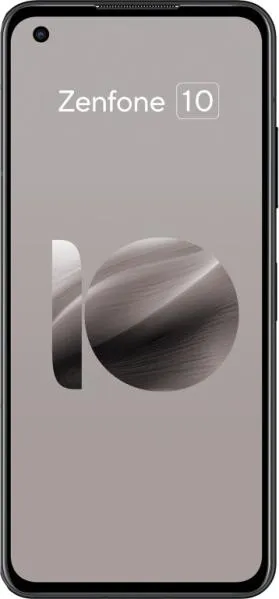
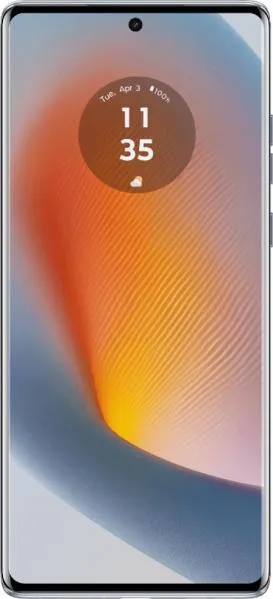
1. Specifications Comparison
| Feature | Asus Zenfone 10 | Motorola Edge 50 Fusion | Practical Impact |
|---|---|---|---|
| Design | |||
| Dimensions (mm) | 146.5 x 68.1 x 9.4 | 161.9 x 73.1 x 7.9 | Zenfone 10 is significantly smaller and more pocketable. Edge 50 Fusion is larger, potentially less comfortable for one-handed use. |
| Weight (g) | 172 | 174.9 | Negligible weight difference in practical use. |
| Build Material | Missing | Missing | Cannot compare build quality and durability. |
| Display | |||
| Display Size (inches) | 5.92 | 6.7 | Zenfone 10 offers a more compact display; Edge 50 Fusion provides a larger viewing area. |
| Resolution | 1080 x 2400 | 1080 x 2400 | Identical resolution, but Zenfone 10 has higher pixel density (445 ppi vs 393 ppi) due to smaller size, resulting in sharper text and images. |
| Display Type | Super AMOLED, 144Hz | P-OLED, 120/144Hz | Both offer smooth scrolling and animations. Zenfone 10's Super AMOLED potentially offers better color accuracy and deeper blacks. The higher refresh rate on the Zenfone 10 might be noticeable in fast-paced games. |
| Peak Brightness | 1100 nits | 1600 nits | Edge 50 Fusion should be significantly more readable in direct sunlight. |
| Performance | |||
| Chipset | Snapdragon 8 Gen 2 | Snapdragon 7s Gen 2 | Zenfone 10 features a flagship processor, offering significantly better performance in demanding tasks like gaming and multitasking. |
| CPU | Octa-core (1x3.2 GHz Cortex-X3 & 2x2.8 GHz Cortex-A715 & 2x2.8 GHz Cortex-A710 & 3x2.0 GHz Cortex-A510) | Octa-core (4x2.40 GHz Cortex-A78 & 4x1.95 GHz Cortex-A55) | Zenfone 10's CPU has a more powerful core configuration, translating to faster processing speeds. |
| GPU | Adreno 740 | Adreno 710 | Zenfone 10's GPU offers a significant performance advantage for gaming and graphics-intensive applications. |
| RAM | 8GB | 8GB | Equivalent RAM capacity. |
| Camera | |||
| Main Camera | 50MP, Sony IMX766, f/1.9 | 50MP, Sony LYT-700C, f/1.8 | Both have similar resolution sensors, Zenfone 10 uses a slightly wider aperture. Image quality likely depends on processing. |
| Ultrawide | 13MP, f/2.2 | 13MP, f/2.2 | Similar ultrawide specifications; practical differences may arise from image processing. |
| Video Recording | Up to 8K@24fps | Up to 4K@30fps | Zenfone 10 offers significantly higher resolution video recording. |
| Battery | |||
| Capacity | 4300 mAh | 5000 mAh | Edge 50 Fusion has a larger battery, likely resulting in longer battery life. |
2. Key Differences Analysis
Asus Zenfone 10 Advantages:
- Significantly more powerful: The Snapdragon 8 Gen 2 provides a substantial performance advantage for demanding tasks and gaming.
- More compact and pocketable: Smaller dimensions and lighter weight make it ideal for one-handed use.
- Higher resolution video recording: 8K video recording capability.
- Potentially smoother display: 144Hz refresh rate.
Motorola Edge 50 Fusion Advantages:
- Larger battery: Potentially longer battery life.
- Brighter display: Better visibility in direct sunlight.
- Lower price: Generally more affordable.
3. User Profiles & Recommendations
Asus Zenfone 10: Ideal for users who prioritize performance, a compact form factor, and high-quality video recording. Power users, mobile gamers, and content creators would benefit from its capabilities.
Motorola Edge 50 Fusion: Suitable for users who prioritize battery life, a large display for media consumption, and affordability. Casual users, social media enthusiasts, and those seeking all-day battery life would find this phone appealing.
4. Decision Framework
Key Questions for Buyers:
- What is your budget? The Zenfone 10 is typically more expensive.
- What are your performance needs? For demanding tasks, the Zenfone 10 is superior.
- How important is battery life and screen size? The Edge 50 Fusion offers a larger battery and display.
My Choice: Asus Zenfone 10
While the Motorola Edge 50 Fusion offers a compelling combination of battery life and a large display, the Asus Zenfone 10's significantly superior performance, compact form factor, and higher-quality video recording capabilities make it my preferred choice. I value a smooth and responsive user experience, especially for gaming and multitasking, which the Snapdragon 8 Gen 2 delivers. The compact size is also a major plus for me, as I prefer phones that are easy to handle and carry. The price difference is justifiable for the substantial performance gains and the premium features offered by the Zenfone 10. The brighter screen of the Edge 50 Fusion is tempting, but ultimately the overall package of the Zenfone 10 is more appealing to my needs.
