1. Specifications Comparison
| Feature | Asus Zenfone 10 | Huawei nova 12i | Practical Impact |
|---|---|---|---|
| Design | |||
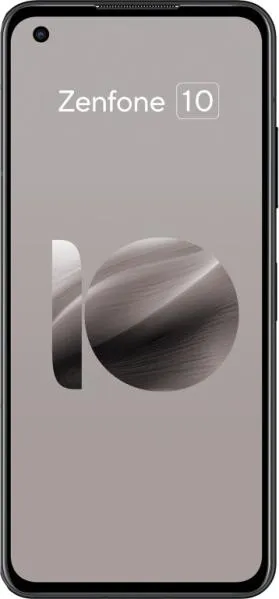
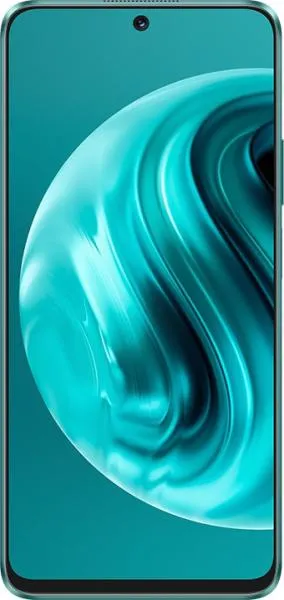
| Dimensions (mm) | 146.5 x 68.1 x 9.4 | 163.3 x 74.7 x 8.4 | Zenfone 10 is significantly smaller and more pocketable. Nova 12i is larger, potentially less comfortable for one-handed use. |
| Weight (g) | 172 | 199 | Zenfone 10 is noticeably lighter, reducing hand fatigue during extended use. |
| Display | |||
| Size (inches) | 5.92 | 6.7 | Nova 12i offers a larger screen for media consumption, but may be less suitable for one-handed operation. Zenfone 10 provides a more compact viewing experience. |
| Type | Super AMOLED, 144Hz | IPS LCD, 90Hz | Zenfone 10's AMOLED offers deeper blacks, more vibrant colors, and higher peak brightness. The 144Hz refresh rate provides a smoother, more responsive experience compared to the Nova 12i's 90Hz LCD. |
| Resolution (px) | 1080 x 2400 | 1080 x 2388 | Similar pixel density, resulting in comparable sharpness. |
| Performance | |||
| Chipset | Snapdragon 8 Gen 2 | Snapdragon 680 4G | Zenfone 10 boasts a flagship-level processor, enabling significantly faster performance for demanding tasks, gaming, and multitasking. Nova 12i's processor is mid-range, suitable for everyday use but may struggle with demanding applications. |
| RAM (GB) | 8/16 | 8 | Zenfone 10 offers a 16GB RAM option for even smoother multitasking, while the Nova 12i is limited to 8GB. |
| OS | Android 13 | Unspecified | A significant disadvantage for the Nova 12i. Not knowing the OS version makes it impossible to evaluate security updates, feature sets, and overall software experience. |
| Camera | |||
| Main Camera (MP) | 50 (Sony IMX766) | 108 (Samsung HM6) | While the Nova 12i boasts a higher megapixel count, the Zenfone 10 utilizes a larger sensor (IMX766) known for good low-light performance. Image quality will depend on processing, but Zenfone 10 has a stronger foundation. |
| Video | 8K@24fps, 4K@60fps | 1080p@30fps | Zenfone 10 offers significantly superior video recording capabilities with higher resolution and frame rate options. |
| Battery | |||
| Capacity (mAh) | 4300 | 5000 | Nova 12i has a larger battery, potentially leading to longer battery life. However, the Zenfone 10's more efficient processor might offset this difference. Real-world usage will vary. |
2. Key Differences Analysis
Zenfone 10 Advantages:
- Significantly more powerful: The Snapdragon 8 Gen 2 provides a massive performance advantage for demanding tasks and gaming.
- Superior Display: AMOLED with 144Hz offers a smoother and more visually appealing experience.
- High-end Camera Features: 8K video recording, larger main sensor, and gimbal stabilization.
- More Compact: Easier to handle and pocket.
Nova 12i Advantages:
- Larger Battery: Potentially longer battery life.
- Lower Price: Offers a more budget-friendly option (based on provided pricing data).
- Larger Display: More screen real estate for media consumption.
3. User Profiles & Recommendations
Zenfone 10: Ideal for users who prioritize performance, a premium display, compact size, and advanced camera features. Suitable for power users, gamers, and content creators.
Nova 12i: Best suited for budget-conscious users who prioritize battery life and a large screen for media consumption. Suitable for casual users, social media browsing, and light gaming. The lack of OS information makes a strong recommendation difficult.
4. Decision Framework
Key Questions for Buyers:
- What is your budget? The Nova 12i is significantly cheaper.
- What are your performance needs? The Zenfone 10 offers a substantial performance leap.
- Do you prioritize portability or screen size? Zenfone 10 is compact, while Nova 12i has a larger display.
My Choice: Asus Zenfone 10
While the Huawei Nova 12i offers a larger battery and lower price, the lack of clear information about its operating system is a major red flag. This makes it impossible to assess its long-term usability and security.
The Asus Zenfone 10, despite its higher price, offers a significantly superior overall package with its flagship processor, stunning AMOLED display, and advanced camera features. Its compact size is a major plus for me. The performance difference between the Snapdragon 8 Gen 2 and the Snapdragon 680 is substantial and will impact daily use, especially for future-proofing. The Zenfone 10's superior build quality and feature set make it a worthwhile investment for a longer-term usage perspective.
